Formaldehyde → 5-Bromo-1-methyl-3-(5-(1-methylazetidin-3-yl)pyridin-2-ylamino)pyridine-2(1H)-one
Reaction equation

[NH:1]1[CH2:4][CH:3]([C:5]2[CH:6]=[CH:7][C:8]([NH:11][C:12]3[C:13](=[O:20])[N:14]([CH3:19])[CH:15]=[C:16]([Br:18])[CH:17]=3)=[N:9][CH:10]=2)[CH2:2]1.C=O.[BH3-][C:24]#N.[Na+].C(OCCOCC)C>CO.[Cl-].[Zn+2].[Cl-].O>[Br:18][C:16]1[CH:17]=[C:12]([NH:11][C:8]2[CH:7]=[CH:6][C:5]([CH:3]3[CH2:4][N:1]([CH3:24])[CH2:2]3)=[CH:10][N:9]=2)[C:13](=[O:20])[N:14]([CH3:19])[CH:15]=1Participants
8
Reactant 4



Product 1

Reagents, catalysts & solvents 3



Procedure
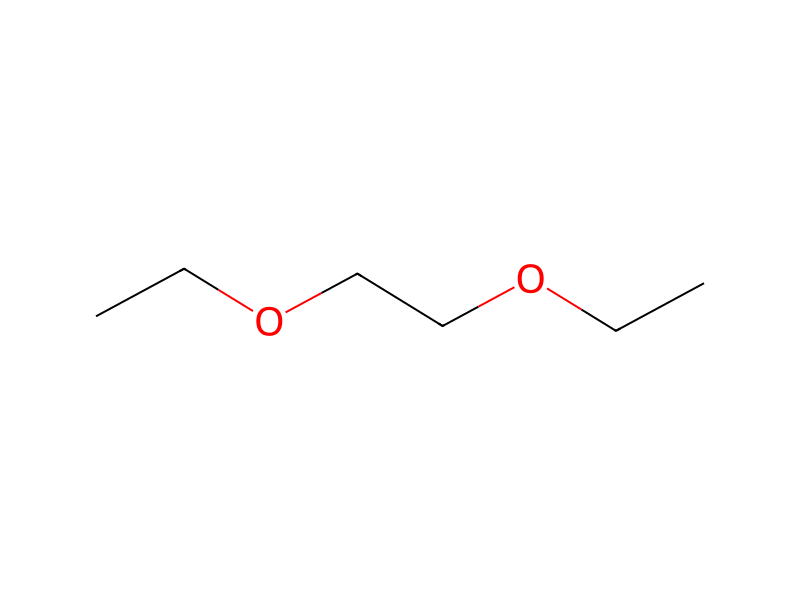
A mixture of 3-(5-(azetidin-3-yl)pyridin-2-ylamino)-5-bromo-1-methylpyridin-2(1H)-one 155n (469 mg, 1.4 mmol), 37% aqueous formaldehyde solution (4 g, 50 mmol), NaBH3CN (261 mg, 4.2 mmol), and 1 M zinc chloride in 1,2-diethoxyethane (4 mL, 4.2 mmol) and methanol (40 mL) was stirred for 2 hours at room temperature. The mixture was added to water (20 mL) and extracted with methylene chloride (50 mL×3). The organic layers were concentrated under reduced pressure. The residue was purified by column chromatography eluting with 10:1 methylene chloride/methanol to give 172a as a yellow solid (0.3 g, 83%). MS: [M+H]+ 348.
Workup
- extractionextracted with methylene chloride (50 mL×3)
- concentrationThe organic layers were concentrated under reduced pressure
- customThe residue was purified by column chromatography
- washeluting with 10:1 methylene chloride/methanol
Sources & evidence
- ORD record
- ord-400fb6fb6f554ce795111dec07cc550a
- Source dataset
- uspto-grants-2013_12
- Patent number
- US08618107B2
Reaction notes
Loading…