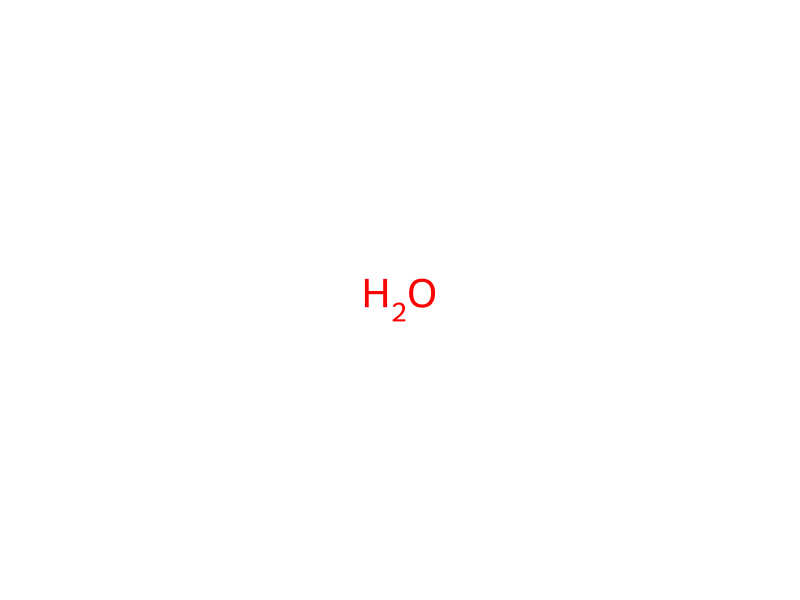
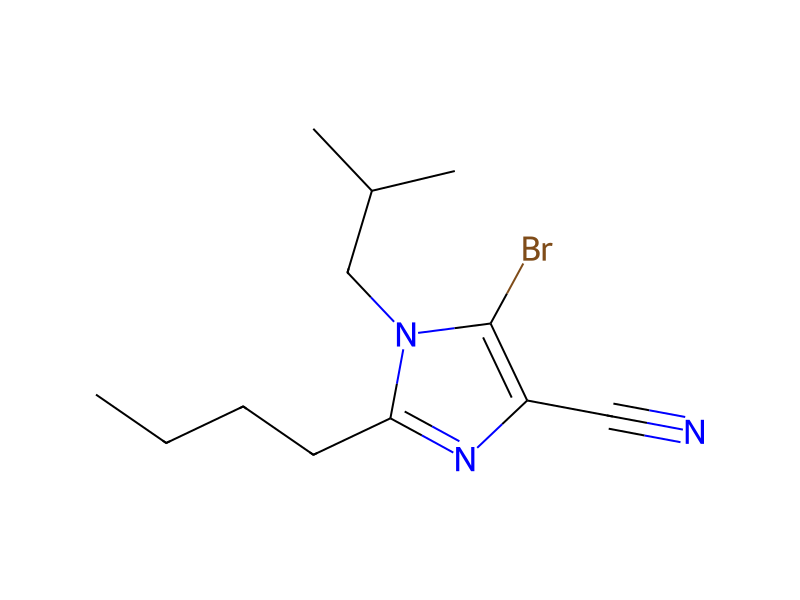
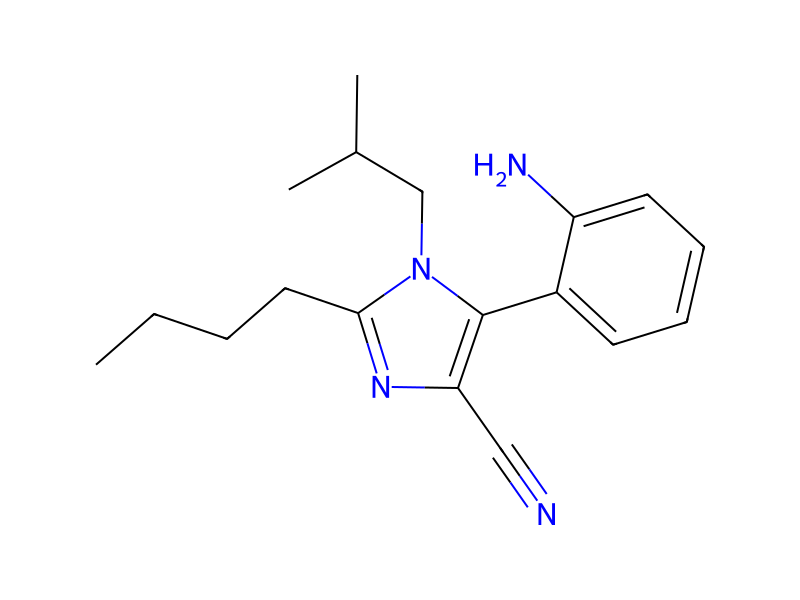
Water → 5-(2-aminophenyl)-2-butyl-1-(2-methylpropyl)-1H-imidazole-4-carbonitrile
Reaction equation

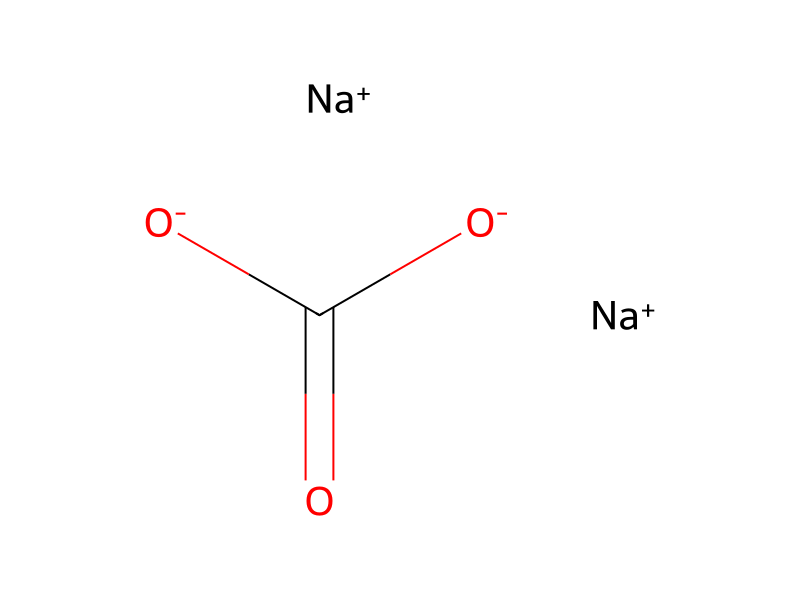
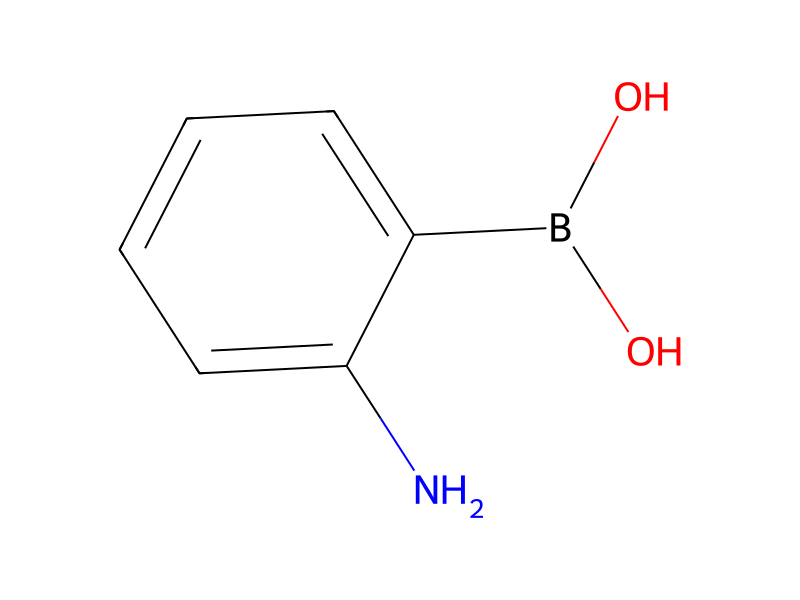
O.C(=O)([O-])[O-].[Na+].[Na+].[NH2:8][C:9]1[CH:14]=[CH:13][CH:12]=[CH:11][C:10]=1B(O)O.Br[C:19]1[N:23]([CH2:24][CH:25]([CH3:27])[CH3:26])[C:22]([CH2:28][CH2:29][CH2:30][CH3:31])=[N:21][C:20]=1[C:32]#[N:33]>C([O-])(=O)C.[Pd+2].C([O-])(=O)C.C1(P(C2C=CC=CC=2)C2C=CC=CC=2)C=CC=CC=1.C(O)CC>[NH2:8][C:9]1[CH:14]=[CH:13][CH:12]=[CH:11][C:10]=1[C:19]1[N:23]([CH2:24][CH:25]([CH3:27])[CH3:26])[C:22]([CH2:28][CH2:29][CH2:30][CH3:31])=[N:21][C:20]=1[C:32]#[N:33]Participants
Reactant 4
Product 1
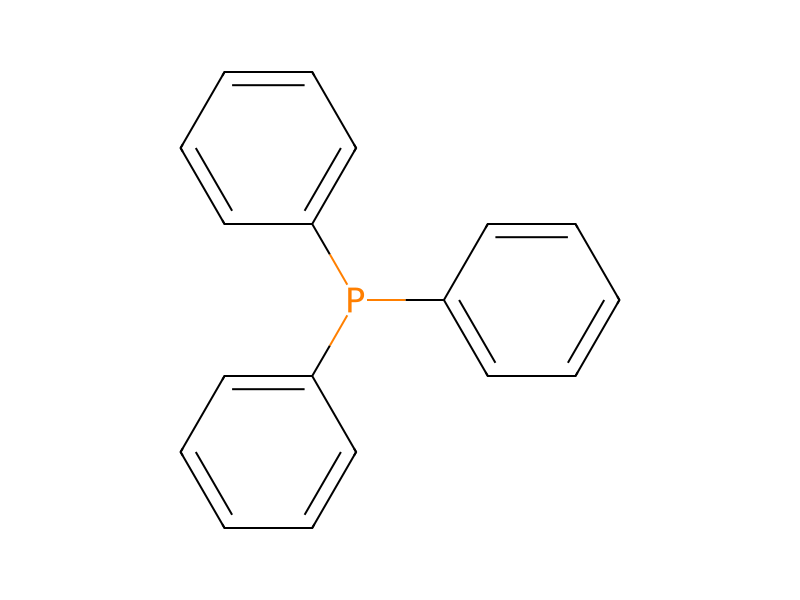
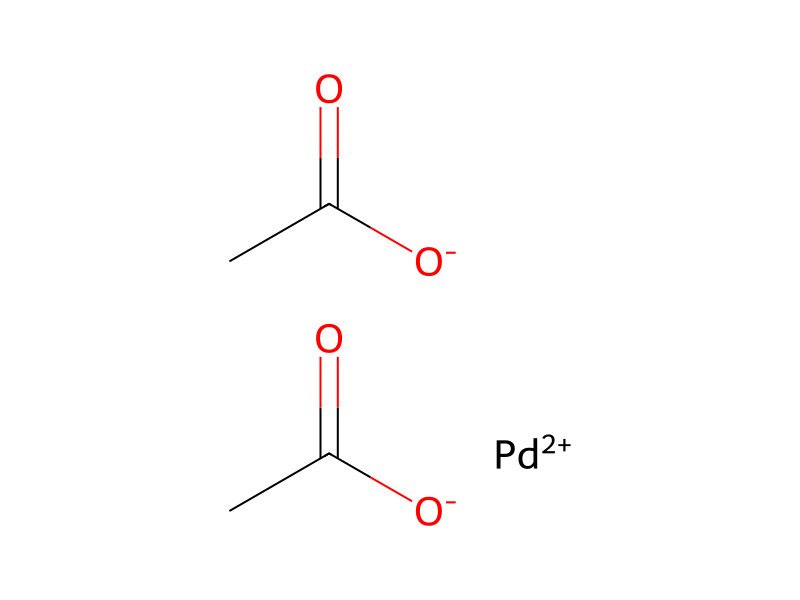
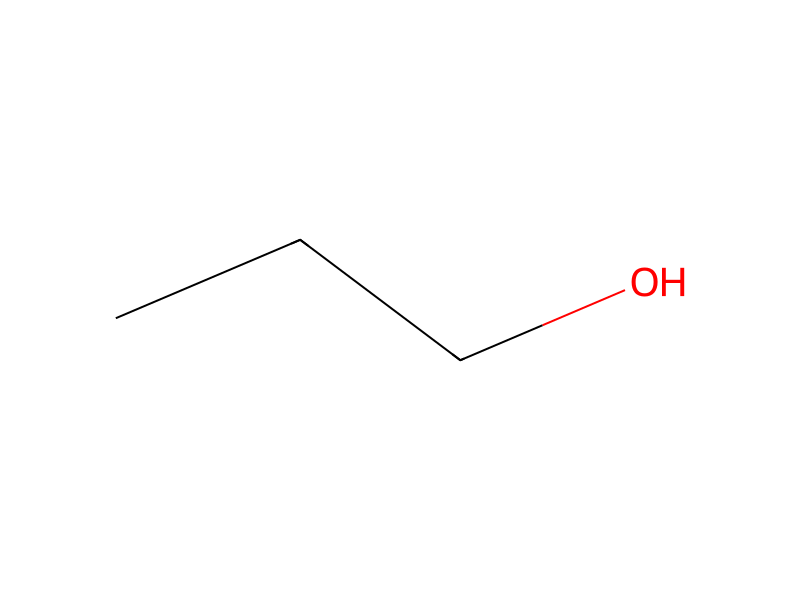
Reagents, catalysts & solvents 3
Conditions
- Temperature
- 100 °C
Procedure
Palladium (II) acetate (5.0 mg, 0.022 mmol), triphenylphosphine (17 mg, 0.067 mmol), water (2.6 mL), n-propanol (13 mL), and aqueous sodium carbonate (4.4 mL of 2 M) were added to 2-aminophenylboronic acid (1.11 g, 8.13 mmol) and 5-bromo-2-butyl-1-(2-methylpropyl)-1H-imidazole-4-carbonitrile (2.10 g, 1.00 mmol). The reaction was placed under a nitrogen atmosphere and heated at 100° C. for 15 hours. An analysis by liquid chromatography/mass spectrometry (LC/MS) indicated the presence of starting material, and additional palladium (II) acetate (5.0 mg in 1 mL toluene) and triphenylphosphine (17 mg) were added. The reaction was heated at 100° C. for an additional 23.5 hours, and an analysis by LC/MS indicated the presence of starting material. Additional palladium (II) acetate (5.0 mg in 1 mL toluene), 2-aminophenylboronic acid (0.500 g), and aqueous sodium carbonate (2.2 mL of 2 M) were added, and the reaction was heated at reflux for an additional four hours and allowed to cool to room temperature. The reaction mixture was filtered to remove solid, and the filtrate was partitioned between 2M aqueous sodium carbonate and dichloromethane. The aqueous layer was separated and extracted twice with dichloromethane. The combined organic fractions were dried over magnesium sulfate, treated with decolorizing carbon, filtered, and concentrated under reduced pressure to provide 2.5 g of 5-(2-aminophenyl)-2-butyl-1-(2-methylpropyl)-1H-imidazole-4-carbonitrile as a brown solid. The solid was recrystallized from a mixture hexanes (30 mL) and tert-butyl methyl ether (20 mL) after hot filtration to provide 1.51 g of product. A portion (0.48 g) was recrystallized from a mixture of hexanes (6 mL) and tert-butyl methyl ether (6 mL) to provide 5-(2-aminophenyl)-2-butyl-1-(2-methylpropyl)-1H-imidazole-4-carbonitrile as a white solid.
Workup
- additionwere added
- temperatureThe reaction was heated at 100° C. for an additional 23.5 hours
- temperaturethe reaction was heated
- temperatureat reflux for an additional four hours
- temperatureto cool to room temperature
- filtrationThe reaction mixture was filtered
- customto remove solid
- customthe filtrate was partitioned between 2M aqueous sodium carbonate and dichloromethane
- customThe aqueous layer was separated
- extractionextracted twice with dichloromethane
- dry with materialThe combined organic fractions were dried over magnesium sulfate
- additiontreated with decolorizing carbon
- filtrationfiltered
- concentrationconcentrated under reduced pressure
Sources & evidence
- ORD record
- ord-43b0f37a4060421094bb1dd22989c971
- Source dataset
- uspto-grants-2012_05
- Patent number
- US08168802B2
Reaction notes
Loading…