Diisopropylethylamine → HCID 67045619, compound
Reaction equation

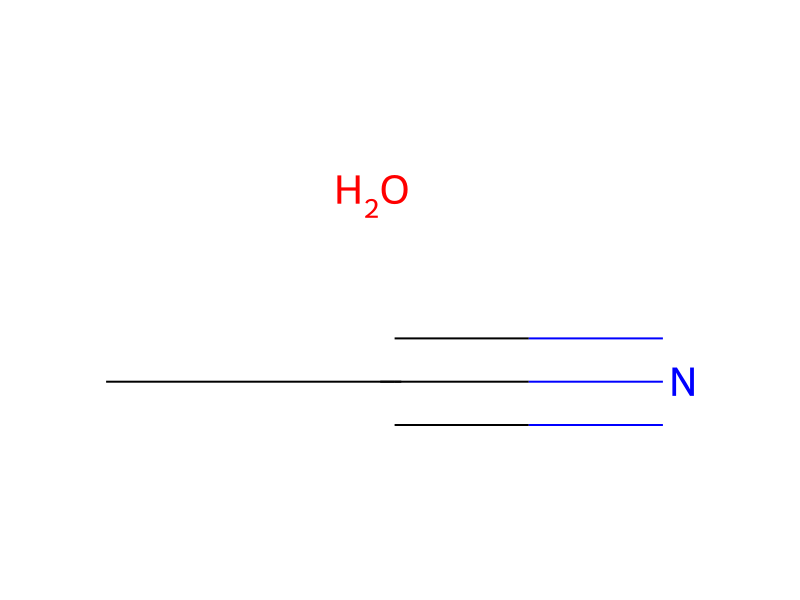
[Br:1][C:2]1[C:3](F)=[C:4]2[C:10]([NH:11][C:12](=[O:15])[CH2:13][OH:14])=[CH:9][NH:8][C:5]2=[N:6][CH:7]=1.[NH:17]1[CH2:21][CH2:20][C@@H:19]([NH:22][C:23](=[O:29])[O:24][C:25]([CH3:28])([CH3:27])[CH3:26])[CH2:18]1.CCN(C(C)C)C(C)C.CC#N.O>CCCCO>[Br:1][C:2]1[C:3]([N:17]2[CH2:21][CH2:20][C@@H:19]([NH:22][C:23](=[O:29])[O:24][C:25]([CH3:27])([CH3:26])[CH3:28])[CH2:18]2)=[C:4]2[C:10]([NH:11][C:12](=[O:15])[CH2:13][OH:14])=[CH:9][NH:8][C:5]2=[N:6][CH:7]=1Participants
6





Conditions
- Temperature
- 135 °C
Procedure
N-(5-Bromo-4-fluoro-1H-pyrrolo[2,3-b]pyridin-3-yl)-2-hydroxyacetamide (0.200 g, 0.694 mmol), (R)-tert-butyl pyrrolidin-3-ylcarbamate (0.388 g, 2.08 mmol), and DIEA (0.121 mL, 0.694 mmol, d 0.742) were placed in n-BuOH and heated to 135° C. for 8 hours. The reaction was then cooled to room temperature and concentrated to dryness. The resulting residue was purified by reverse phase chromatography (Biotage SP4, C-18 25M+, 5-75% CH3CN/water) to give the product (R)-tert-butyl 1-(5-bromo-3-(2-hydroxyacetamido)-1H-pyrrolo[2,3-b]pyridin-4-yl)pyrrolidin-3-ylcarbamate (0.150 g, 48% yield).
Workup
- temperatureThe reaction was then cooled to room temperature
- concentrationconcentrated to dryness
- customThe resulting residue was purified by reverse phase chromatography (Biotage SP4
Sources & evidence
- ORD record
- ord-3dc35573780a4308923a3853123fff55
- Source dataset
- uspto-grants-2012_05
- Patent number
- US08178131B2
Reaction notes
Loading…