Pyridine → HCID 59180392, compound
Reaction equation

[CH2:1]([C:5]1[CH:10]=[CH:9][C:8]([S:11](Cl)(=[O:13])=[O:12])=[C:7]([Cl:15])[CH:6]=1)[CH2:2][CH2:3][CH3:4].[NH2:16][C:17]1[CH:21]=[CH:20][S:19][C:18]=1[C:22]([O:24][CH3:25])=[O:23].N1C=CC=CC=1>>[CH2:1]([C:5]1[CH:10]=[CH:9][C:8]([S:11]([NH:16][C:17]2[CH:21]=[CH:20][S:19][C:18]=2[C:22]([O:24][CH3:25])=[O:23])(=[O:13])=[O:12])=[C:7]([Cl:15])[CH:6]=1)[CH2:2][CH2:3][CH3:4]Participants
4

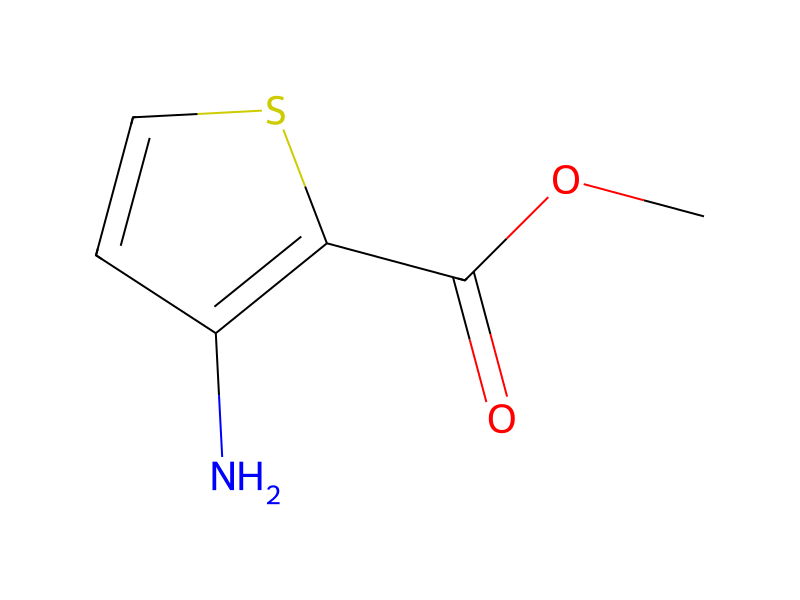


Procedure
A solution of 70 (2.5 g; 9.36 mmol) and methyl 3-aminothiophene-2-carboxylate (1.62 g; 10.30 mmol) in anhydrous pyridine (12.0 mL; 144 mmol) was stirred at room temperature for 12 hours. The reaction mixture was concentrated under reduced pressure and the resulting residue was purified by automated silica gel column chromatography (Biotage®) eluting with ethyl acetate/hexanes (0 to 20% v/v) to give the title compound as a clear oil (1.79 g).
Workup
- concentrationThe reaction mixture was concentrated under reduced pressure
- customthe resulting residue was purified by automated silica gel column chromatography (Biotage®)
- washeluting with ethyl acetate/hexanes (0 to 20% v/v)
Sources & evidence
- ORD record
- ord-ef1663f8111a47fcaefb5241a4cb4cc2
- Source dataset
- uspto-grants-2012_05
- Patent number
- US08178699B2
Reaction notes
Loading…