6-Methyl-5-hepten-2-one → HCID 11263723, compound
Reaction equation

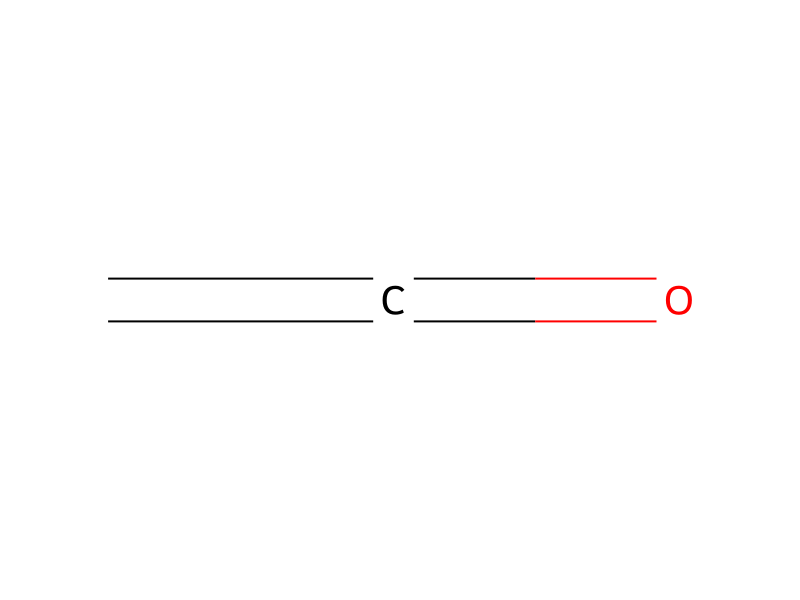
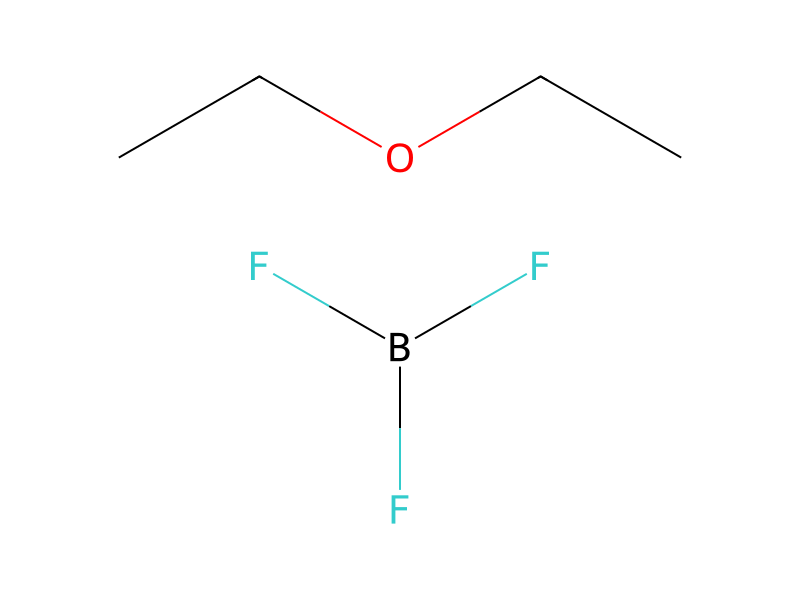
[CH3:1][C:2]([CH3:9])=[CH:3][CH2:4][CH2:5][C:6](=[O:8])[CH3:7].[CH2:10]=[C:11]=[O:12].C=C1OC(=O)C1>ClCCl.N#N.B(F)(F)F.CCOCC.C1N2CN3CN(C2)CN1C3>[CH3:7][C:6]1([CH2:5][CH2:4][CH:3]=[C:2]([CH3:9])[CH3:1])[O:8][C:11](=[O:12])[CH2:10]1Participants
Reactant 3


Product 1

Reagents, catalysts & solvents 4



Conditions
- Temperature
- -19 °C
Procedure
128.8 g (1.0 mol) of 6-methyl-5-hepten-2-one were dissolved in 516 g of dichloromethane in an N2 atmosphere. The solution was cooled to −19° C. 0.71 g of boron trifluoride etherate (0.5 mol % relative to 6-methyl-5-hepten-2-one) were then added and ketene gas was metered in over a period of 4 h. The temperature ranged between −12° C. and −14° C. The ketene gas was drawn directly from a diketene cracker: approx. 1.25 mol of ketene were generated from 55 ml of diketene and used. The solution was stirred overnight at −15° C., during which time an N2 stream was passed through the solution to remove excess ketene. Finally, 350 mg (2.5 mmol) of urotropine were added, the solution stirred again for 30 minutes and heated to 0° C. The solvent was then evaporated off at 15 mbar and 20° C. The crude product was obtained in the form of an orange solution. Distillation by way of a thin-film evaporator at 1-2 mbar and with an overhead temperature of 88° C. yielded 136 g (80.9%) of the title product.
Workup
- customwas metered in over a period of 4 h
- customranged between −12° C. and −14° C
- customto remove excess ketene
- temperatureheated to 0° C
- customThe solvent was then evaporated off at 15 mbar and 20° C
- customThe crude product was obtained in the form of an orange solution
- distillationDistillation
- customby way of a thin-film evaporator at 1-2 mbar
Sources & evidence
- ORD record
- ord-2bdc4044ed334acda7ce26c1e3c989d9
- Source dataset
- uspto-grants-2002_05
- Patent number
- US06384242B1
Reaction notes
Loading…