Hydrochloric Acid → HCID 178506566, compound
Reaction equation

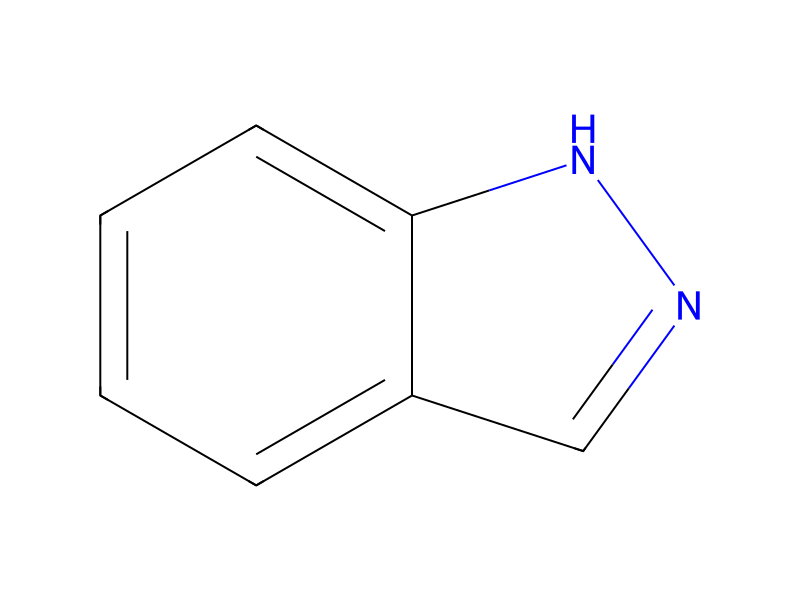
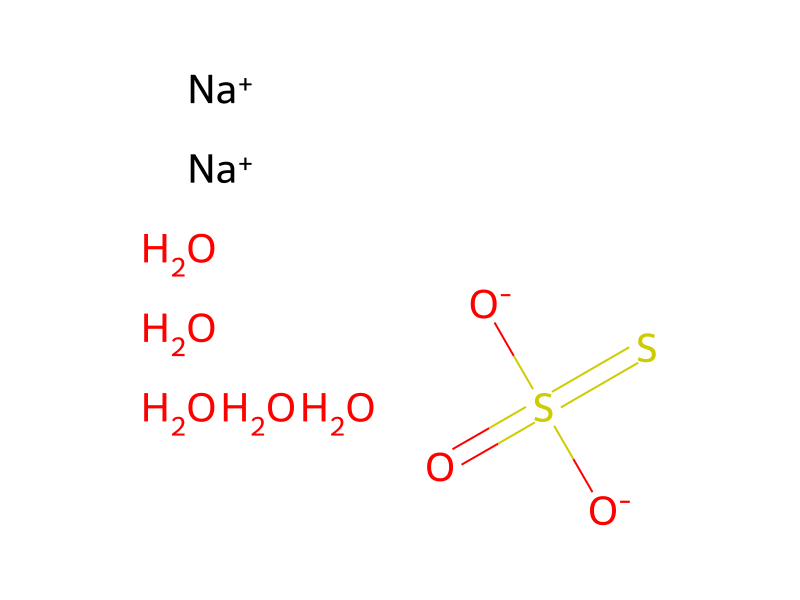
[I:1]I.[NH:3]1[C:11]2[C:6](=[CH:7][CH:8]=[CH:9][CH:10]=2)[CH:5]=[N:4]1.Cl.O.O.O.O.O.S([O-])([O-])(=O)=S.[Na+].[Na+]>CO.[OH-].[Na+]>[I:1][C:5]1[C:6]2[C:11](=[CH:10][CH:9]=[CH:8][CH:7]=2)[NH:3][N:4]=1Participants
Reactant 4


Product 1

Reagents, catalysts & solvents 2


Procedure
58.1 g of iodine (229 mmol) were introduced in portions into a suspension of 25.6 g of indazole (217 mmol) in 625 ml of methanol and 625 ml of 2N sodium hydroxide solution in the course of 1 hour. The mixture was stirred at room temperature for 3 days and 75 ml of concentrated hydrochloric acid were then added, while cooling with ice, the mixture was rendered acid with 2N hydrochloric acid and 20% strength sodium thiosulphate pentahydrate solution was added until the iodine colour disappeared. The precipitate which had separated out was filtered off with suction, washed neutral with water and dried in a vacuum drying cabinet at 50° C. For purification, the solid was taken up in methanol. After undissolved constituents had been filtered off, the filtrate was concentrated to dryness on a rotary evaporator, the product being obtained as an almost white solid.
Workup
- temperaturewhile cooling with ice
- customThe precipitate which had separated out
- filtrationwas filtered off with suction
- washwashed neutral with water
- customdried in a vacuum
- customdrying cabinet at 50° C
- customFor purification
- filtrationAfter undissolved constituents had been filtered off
- concentrationthe filtrate was concentrated to dryness on a rotary evaporator
- customthe product being obtained as an almost white solid
Sources & evidence
- ORD record
- ord-72724b1d826b48778692f5fe93274dcd
- Source dataset
- uspto-grants-2002_05
- Patent number
- US06387940B1
Reaction notes
Loading…