1,4-Dibromobutane → Ammonia
Reaction equation

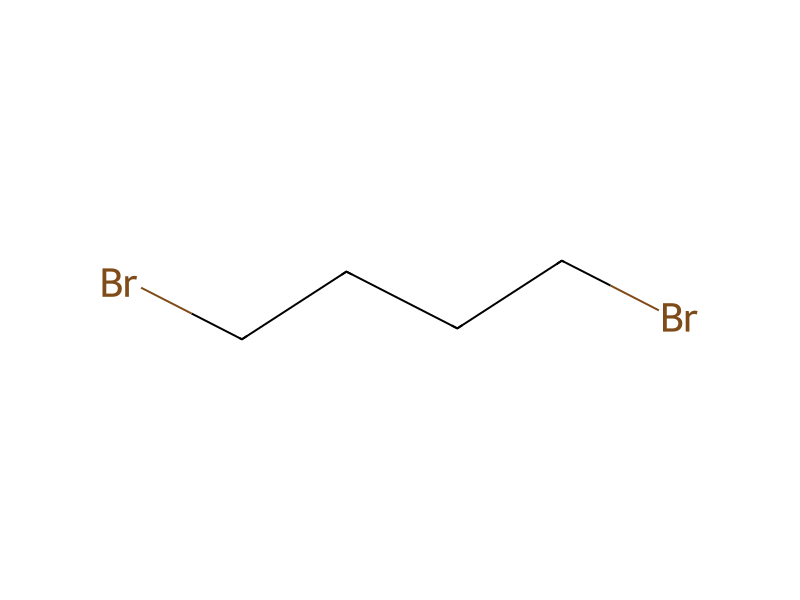
[NH2:1][C:2]1[CH:3]=[C:4]([C:8]2[CH2:15][CH:14]3[N:16]([CH3:17])[CH:10]([CH2:11][CH2:12][CH2:13]3)[CH:9]=2)[CH:5]=[CH:6][CH:7]=1.C(=O)([O-])[O-].[K+].[K+].Br[CH2:25][CH2:26][CH2:27][CH2:28]Br>C(O)C>[NH3:1].[N:1]1([C:2]2[CH:3]=[C:4]([C:8]3[CH2:9][CH:10]4[N:16]([CH3:17])[CH:14]([CH2:13][CH2:12][CH2:11]4)[CH:15]=3)[CH:5]=[CH:6][CH:7]=2)[CH2:28][CH2:27][CH2:26][CH2:25]1Participants
6
Reactant 3


Product 2


Reagents, catalysts & solvents 1

Procedure
A mixture of (±)-3-(3-aminophenyl)-9-methyl-9-azabicyclo[3.3.1]non-2-ene (0.50 g, 2.2 mmol), potassium carbonate (0.61 g, 4.4 mmol), 1.4-dibromobutane (0.52 g, 2.4 mmol) and ethanol (15 ml) was stirred at reflux overnight. The mixture was evaporated and water (25 ml) was added followed by extraction two times with ethyl acetate (25 ml). Chromatography on silica gel with dichloromethane, methanol and conc. ammonia (89:10:1) gave the title compound as an oil. Yield 0.12 g, 19%.
Workup
- temperatureat reflux overnight
- customThe mixture was evaporated
- additionwater (25 ml) was added
- extractionfollowed by extraction two times with ethyl acetate (25 ml)
Sources & evidence
- ORD record
- ord-a342842b8b814c09b28375e54b9a5083
- Source dataset
- uspto-grants-2002_05
- Patent number
- US06392045B1
Reaction notes
Loading…