Phosphoric Acid → Oxygen
Reaction equation

P([O-])([O-])([O-])=[O:2].[K+].[K+].[K+].[O:9]=[CH:10][C@@H:11]([C@H:13]([C@@H:15]([C@@H:17]([CH2:19][OH:20])[OH:18])[OH:16])[OH:14])[OH:12].C[C@]1(O)[C@@H]2C(=C(O)[C@]3(O)C(=O)C(C(N)=O)=C(O)[C@@H](N(C)C)[C@@H]3C2)C(=O)C2C(O)=CC=CC1=2.S(=O)(=O)(O)O.C([O-])(=O)CC(CC([O-])=O)(C([O-])=O)O.[Na+].[Na+].[Na+].[OH-:74].[Na+].OP(O)(O)=O>C([O-])(=O)CC(CC([O-])=O)(C([O-])=O)O.[Fe+3]>[O:9]=[CH:10][C@H:11]([C@@H:13]([C@H:15]([C@H:17]([CH2:19][OH:20])[OH:18])[OH:16])[OH:14])[OH:12].[O:74]=[O:2]Participants
Reactant 7


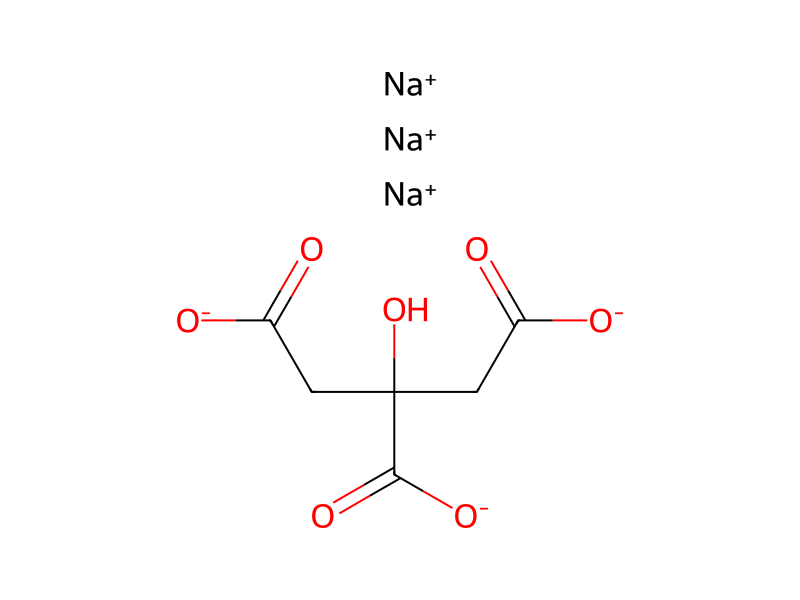




Product 2


Reagents, catalysts & solvents 1

Conditions
- Temperature
- 30 °C
Procedure
A 1.5 ml frozen vial of rhuIL-10 is thawed at room temperature. Approximately 0.5 ml is transferred into a 2000 ml flask containing 500 ml of a culture medium comprising 30 g/L casamino acids, 20 g/L yeast extract, 5 g/L KPO4, 20 g/L glycerol, 1 g/L MgSO4 and 10 mg/L tetracycline, pH 7. The flask 5 is placed on a rotary shaker and shook at 300 RPM at 30° C. After 6.5-7 hrs a sample is removed from the flask for optical density determination, to ensure the attainment of log-phase growth. A 1000 liter fermentation reactor as depicted in FIG. 5 is prepared, containing 800 liters of culture medium comprising, for example, 30 g/l Casein Digest-HyCase P (Sheffield), 20 g/l Yeast Extract, 15 g/l Potassium Phosphate-Monobasic, 0.5 ml/l of a 30% suspension of SAG-471® (Union Carbide), 20 g/l Glucose, 1 g/l Magnesium Sulfate-7 H2O, 10 mg/l tetracycline, and 2 ml/l Iron Citrate Stock Solution comprised of 2 ml/I sulfuric acid, 15 g/l Sodium Citrate, and 13.5 g/l Ferric Chloride Hexahydrate. The pH of the medium is adjusted to about 7 with a solution of 50% NaOH and a solution of 75% H3PO4. The fermentor is then inoculated with the contents of the 2000 ml flask. The temperature of the inoculated medium within the fermentor is maintained at 30° C.±0.5 ° C. for the first part of the fermentation reaction. During this part of the fermentation, homeostasis for log growth is maintained in the fermentation reactor by direct, real time, in situ FTIR monitoring of (a) glucose concentration, (b) organic volatile acid concentration, (c) ammonium ion concentration, (d) dissolved O2 and CO2 concentrations, and (e) inorganic metabolic ions (e.g., PO42−, SO4), with feedback control provided for the rates of (1) glucose feed, (2) agitation, and (3) O2 and air feeds, in particular to maintain the dissolved oxygen concentration in the fermentor at a level greater than 40% of saturation. When optimal growth in the fermentation reaction is achieved, as measured by FTIR in conjunction with the attached OD probe 580, the culture is automatically induced by a feedback control adjustment, raising the temperature of the fermentation reactor to 38° C.±0.5° C. The fermentation reaction is maintained at this temperature for an additional for 14 hours to allow for the recombinant protein expression.
Workup
- temperatureA 1.5 ml frozen vial of rhuIL-10
- customis thawed at room temperature
- customApproximately 0.5 ml is transferred into a 2000 ml flask
- additioncontaining 500 ml of a culture medium
- extractionextract
- customAfter 6.5-7 hrs a sample is removed from the flask for optical density determination
- customA 1000 liter fermentation reactor as depicted in FIG. 5
- customis prepared
- additioncontaining 800 liters of culture medium comprising
- temperatureThe temperature of the inoculated medium within the fermentor is maintained at 30° C.±0.5 ° C. for the first part of the fermentation reaction
- temperatureDuring this part of the fermentation, homeostasis for log growth is maintained in the fermentation reactor by direct, real time
- concentrationin situ FTIR monitoring of (a) glucose concentration, (b) organic volatile acid concentration, (c) ammonium ion concentration, (d)
- dissolutiondissolved
- concentrationO2 and CO2 concentrations, and (e) inorganic metabolic ions (e.g., PO42−, SO4)
Sources & evidence
- ORD record
- ord-8b7223dfc5ca44dd92a3e686a78e17d7
- Source dataset
- uspto-grants-2002_05
- Patent number
- US06395538B1
Reaction notes
Loading…