1,1'-Carbonyldiimidazole → HCID 14795477, compound
Reaction equation

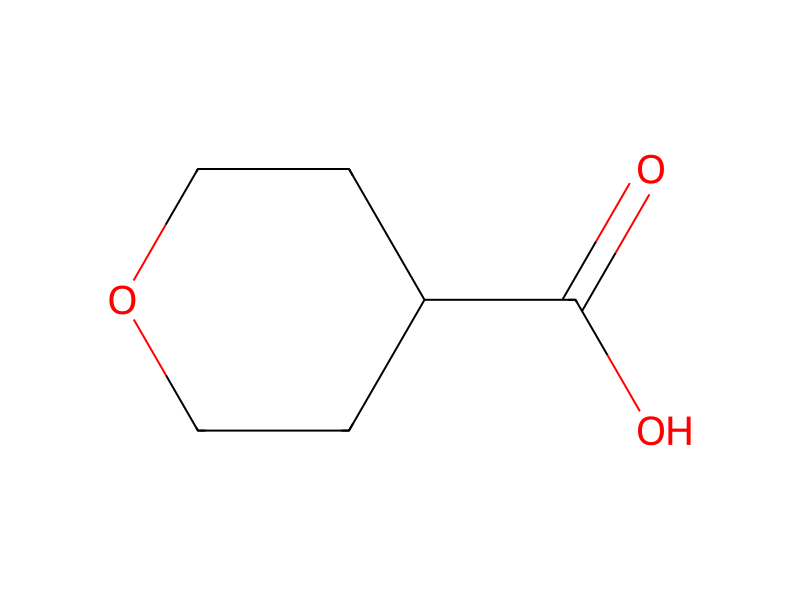
[O:1]1[CH2:6][CH2:5][CH:4]([C:7](O)=O)[CH2:3][CH2:2]1.C(N1C=CN=C1)(N1C=CN=C1)=O.[NH2:22][C:23]1[C:24](=[O:37])[N:25]([CH2:34][CH2:35][CH3:36])[C:26](=[O:33])[N:27]([CH2:30][CH2:31][CH3:32])[C:28]=1[NH2:29]>C(Cl)Cl>[CH2:34]([N:25]1[C:24](=[O:37])[C:23]2[NH:22][C:7]([CH:4]3[CH2:3][CH2:2][O:1][CH2:6][CH2:5]3)=[N:29][C:28]=2[N:27]([CH2:30][CH2:31][CH3:32])[C:26]1=[O:33])[CH2:35][CH3:36]Participants




Procedure
3.2 g (0.025 mol) of tetrahydropyran-4-carboxylic acid, 4.0 g (0.025 mol) of carbonyldiimidazole and 85 ml of absolute methylene chloride are stirred for 30 minutes at ambient temperature. After the addition of 5.7 g (0.025 mol) of 5,6-diamino-1,3-dipropyluracil, the mixture is stirred for 4 hours at ambient temperature and then evaporated down in vacuo. The residue is combined with 130 ml of water and 11.6 g of calcium hydroxide, stirred for 30 minutes at 80° C. and, after cooling, acidified with conc. HCl whilst cooling with ice. The mixture is extracted with ethyl acetate and the organic phase is dried and evaporated. Chromatography of the crystalline residue on silica gel (CH2Cl2 /CH3OH 99:1) yields 1.7 g of the title compound in the form of white crystals (15% of theory), m.p. 171°-172° C.
Workup
- customevaporated down in vacuo
- stirringstirred for 30 minutes at 80° C.
- temperatureafter cooling
- temperaturewhilst cooling with ice
- extractionThe mixture is extracted with ethyl acetate
- customthe organic phase is dried
- customevaporated
Sources & evidence
- ORD record
- ord-66c3dc1945ed4dc7888281392fe50b7b
- Source dataset
- uspto-grants-1997_12
- Patent number
- US05696124
Reaction notes
Loading…