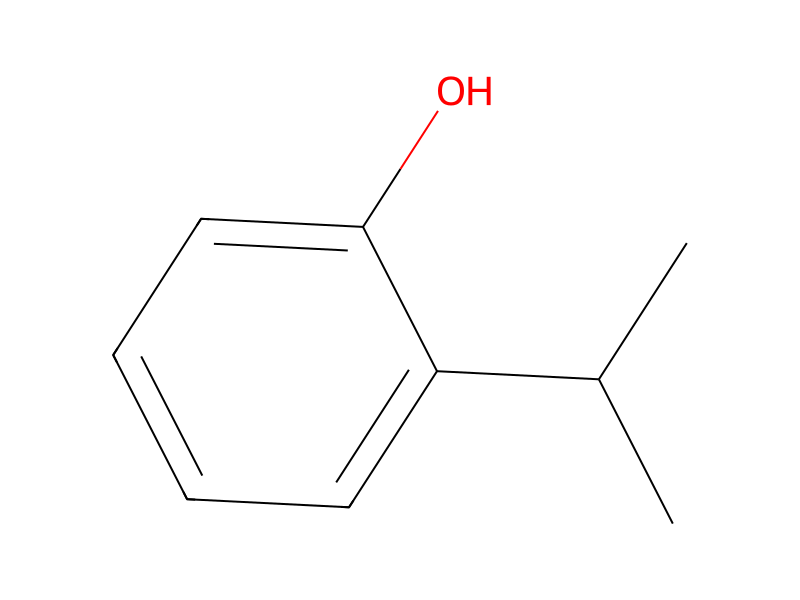
2-Isopropylphenol → 4-Bromo-2-(propan-2-yl)phenol
Reaction equation

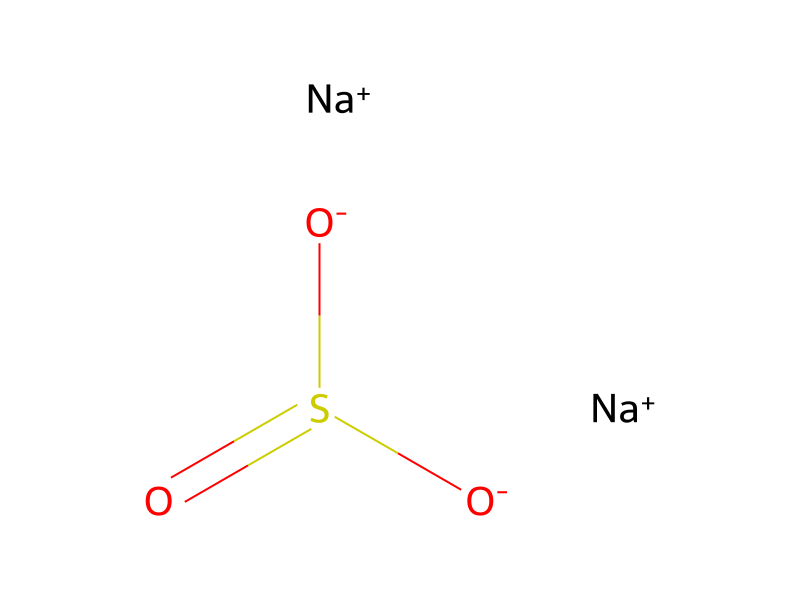
[CH:1]([C:4]1[CH:9]=[CH:8][CH:7]=[CH:6][C:5]=1[OH:10])([CH3:3])[CH3:2].[Br-:11].[Br-].[Br-].C([N+](CCCC)(CCCC)CCCC)CCC.C([N+](CCCC)(CCCC)CCCC)CCC.C([N+](CCCC)(CCCC)CCCC)CCC.S([O-])([O-])=O.[Na+].[Na+]>C(Cl)(Cl)Cl>[Br:11][C:8]1[CH:7]=[CH:6][C:5]([OH:10])=[C:4]([CH:1]([CH3:3])[CH3:2])[CH:9]=1Participants
5
Reactant 3

Product 1

Reagents, catalysts & solvents 1

Procedure
First, 20.4 g of 2-isopropylphenol and 750 ml of chloroform were charged into a reaction vessel, and 80 g of tetra-n-butylammonium tribromide was added at room temperature (about 20° C. ) with stirring and the mixture was stirred at room temperature for additional 24 hours. To the reaction solution, 750 ml of a saturated sodium sulfite solution was added, and the mixture was shaken vigorously to concentrate the chloroform layer. To the residue, 500 ml of diethyl ether and 500 ml of 10% hydrochloric acid were added, and the mixture was shaken vigorously. The ether layer was dried over anhydrous magnesium sulfate and concentrated to give 32 g of 4-bromo-2-isopropylphenol (yield, 100%).
Workup
- stirringthe mixture was stirred at room temperature for additional 24 hours
- stirringthe mixture was shaken vigorously
- concentrationto concentrate the chloroform layer
- additionTo the residue, 500 ml of diethyl ether and 500 ml of 10% hydrochloric acid were added
- stirringthe mixture was shaken vigorously
- dry with materialThe ether layer was dried over anhydrous magnesium sulfate
- concentrationconcentrated
Sources & evidence
- ORD record
- ord-9c0f56bf531a4a60adc87a4dd4afd90f
- Source dataset
- uspto-grants-1997_12
- Patent number
- US05698702
Reaction notes
Loading…