Acetic Acid → Nicotinic Acid
Reaction equation

[CH3:1][C:2]1[CH:3]=[N:4][CH:5]=CC=1.[C:8]([OH:11])(=[O:10])[CH3:9]>[Br-].C([N+](CCC)(CCC)CCC)CC.C([O-])(=O)C.[Co+2].C([O-])(=O)C.C([O-])(=O)C.[Mn+2].C([O-])(=O)C.O>[C:8]([OH:11])(=[O:10])[C:9]1[CH:1]=[CH:2][CH:3]=[N:4][CH:5]=1Participants
Reactant 2

Product 1

Reagents, catalysts & solvents 4



Procedure
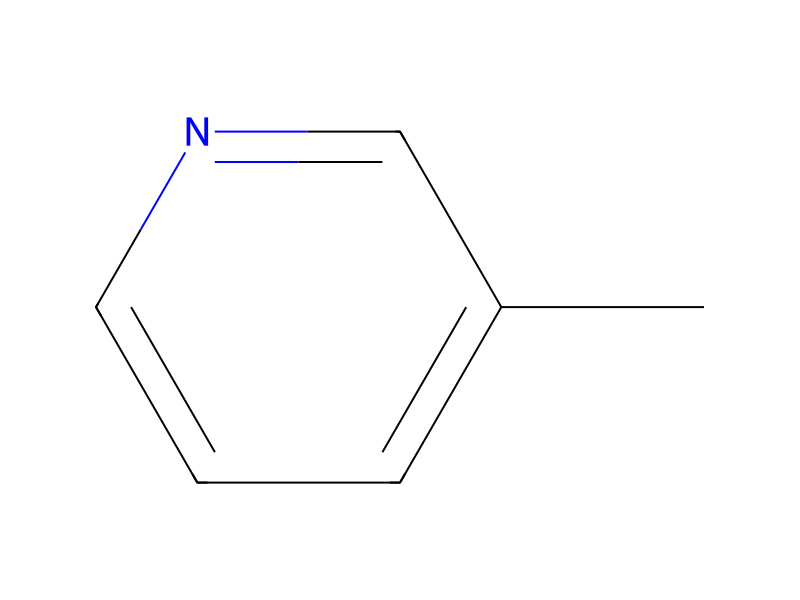
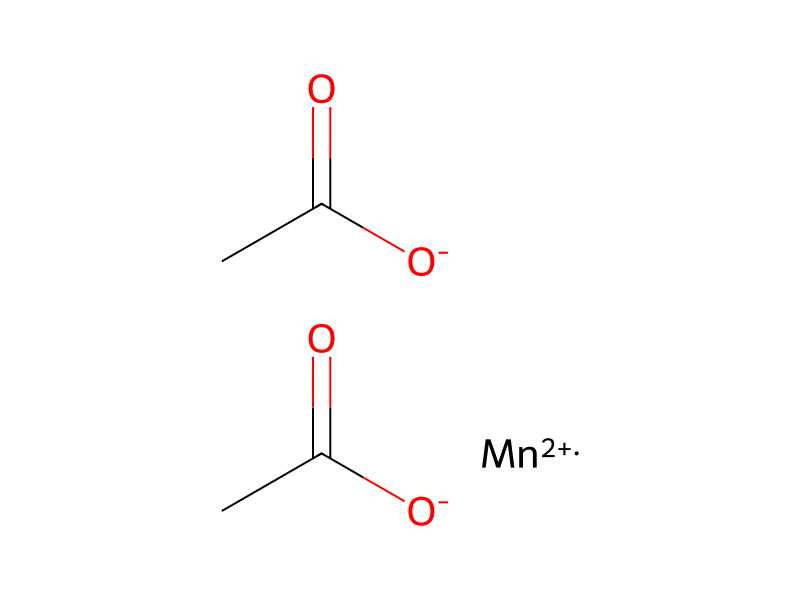
The same autoclave as that used in Example 1 was charged with 25 parts by weight of 3-methylpyridine, 0.38 part by weight of cobalt acetate, 0.27 part by weight of manganese acetate, 1 part by weight of tetrapropylammonium bromide and 150 parts by weight of acetic acid having a 5 wt % water content, and the mixture was allowed to react in the same manner as in Example 1 to give 21.7 parts by weight of a crude nicotinic acid crystal. The conversion of the 3-methylpyridine was 93.7 mol %, the selectivity to the nicotinic acid was 99.0 mol %, and the yield of the nicotinic acid 92.8 mol %. The conversion and the yield in Example 2 were improved over those in Example 1 since the solvent was used in a larger amount in Example 2. The crude nicotinic acid had a bromine concentration of 608 ppm and showed a dissolved b value of 5.44.
Workup
- customto react in the same manner as in Example 1
Sources & evidence
- ORD record
- ord-564dcfae0a3f459a83c031a0c2306f9a
- Source dataset
- uspto-grants-1997_12
- Patent number
- US05700944
Reaction notes
Loading…