Triethylamine → HCID 67044384, compound
Reaction equation

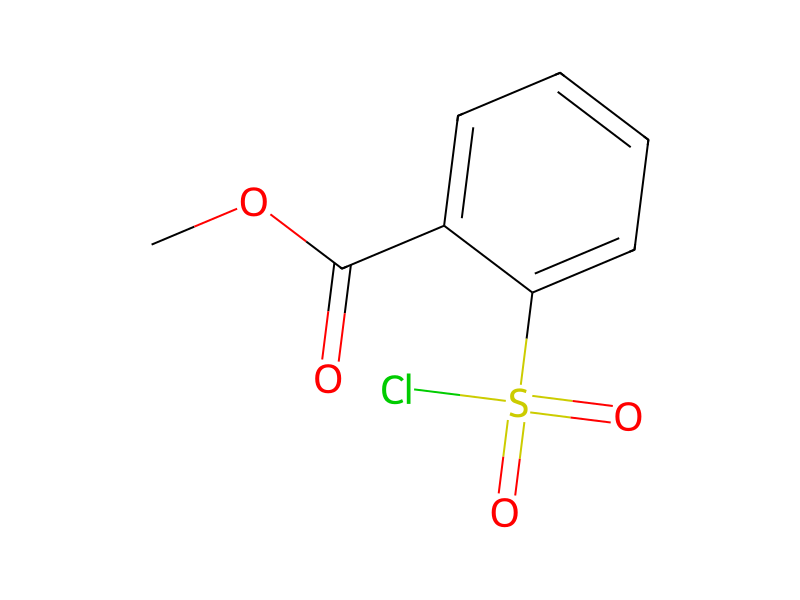
[F:1][C:2]1[CH:9]=[CH:8][C:5]([NH:6]C)=[CH:4][CH:3]=1.[CH2:10]([N:12](CC)CC)C.[CH3:17][O:18][C:19](=[O:30])[C:20]1[CH:25]=[CH:24][CH:23]=[CH:22][C:21]=1[S:26](Cl)(=[O:28])=[O:27]>ClCCl>[NH3:6].[CH3:17][O:18][C:19](=[O:30])[C:20]1[CH:25]=[CH:24][CH:23]=[CH:22][C:21]=1[S:26](=[O:28])(=[O:27])[NH:12][CH2:10][C:5]1[CH:4]=[CH:3][C:2]([F:1])=[CH:9][CH:8]=1Participants
6





Procedure
A solution of 4-fluoro-N-methylaniline (0.53 g), triethylamine (0.65 g) and dichloromethane (2.0 mL) was treated with 2-chlorosulfonylbenzoic acid methyl ester (1.0 g), and the resulting mixture was stirred at room temperature for 24 hours. The mixture was partitioned between water and dichloromethane, and the organic phase was washed with saturated aqueous sodium chloride solution and dried over sodium sulfate. The solvent was removed under reduced pressure and the residue was purified by column chromatography on SCX-2, eluting with methanol and then 2.0 M ammonia in methanol to afford the title compound as a pale yellow solid (1.2 g).
Workup
- customThe mixture was partitioned between water and dichloromethane
- washthe organic phase was washed with saturated aqueous sodium chloride solution
- dry with materialdried over sodium sulfate
- customThe solvent was removed under reduced pressure
- customthe residue was purified by column chromatography on SCX-2
- washeluting with methanol
Sources & evidence
- ORD record
- ord-24251733ba2a4c1ebb9efb03f266d448
- Source dataset
- uspto-grants-2013_03
- Patent number
- US08394836B2
Reaction notes
Loading…