Sodium Sulfate → 4-(Triethylsilyloxy)cyclohexanone
Reaction equation

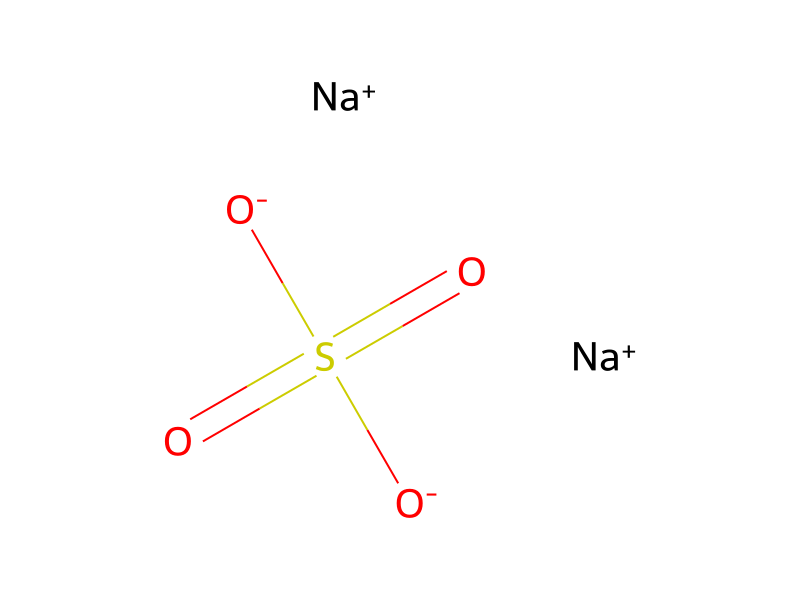
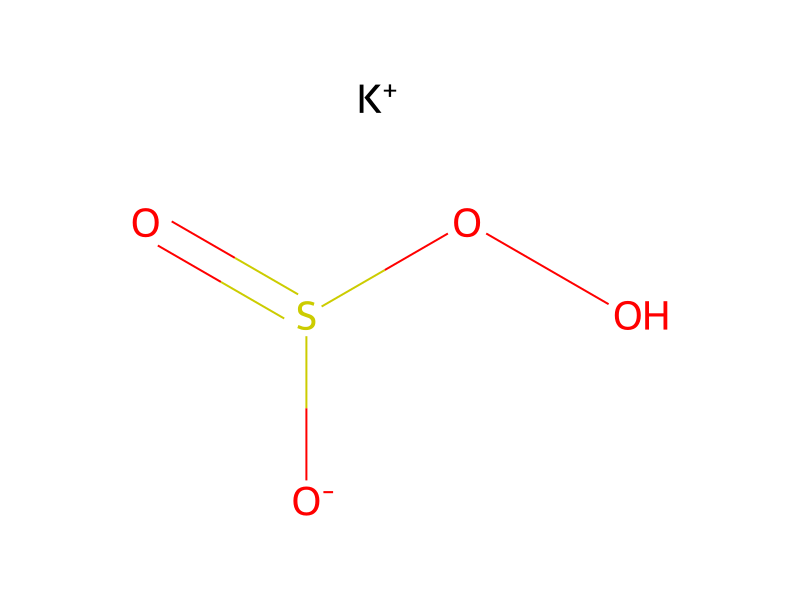
IC1C=CC=CC=1S([O-])(=O)=O.[Na+].OOS([O-])=O.[K+].S([O-])([O-])(=O)=O.[Na+].[Na+].[CH2:26]([Si:28]([CH2:39][CH3:40])([CH2:37][CH3:38])[O:29][CH:30]1[CH2:35][CH2:34][CH:33]([OH:36])[CH2:32][CH2:31]1)[CH3:27]>C(OCC)(=O)C>[CH2:37]([Si:28]([CH2:26][CH3:27])([CH2:39][CH3:40])[O:29][CH:30]1[CH2:35][CH2:34][C:33](=[O:36])[CH2:32][CH2:31]1)[CH3:38]Participants
6




Conditions
- Temperature
- 70 °C
Procedure
6.1 mg (0.02 mmol) of sodium 2-iodobenzenesulfonate prepared by Preparation Example 4, 0.49 g (0.8 mmol) of powdered Oxone (registered trademark), 0.5 g (3.5 mmol) of anhydrous sodium sulfate and 230 mg (1 mmol) of 4-(triethylsilyloxy)cyclohexanol were added to 5 ml of ethyl acetate, and the mixture was heated at 70° C. while being stirred under a nitrogen for eight hours. The later treatment was carried out in the same way as in Example 1, and then 4-(triethylsilyloxy)cyclohexanone was obtained. The yield of the obtained 4-(triethylsilyl oxy)cyclohexanone was determined and the result is shown in Table 2. (Yield 74%)
Sources & evidence
- ORD record
- ord-3258bf25771f4198b669b983e9f51e38
- Source dataset
- uspto-grants-2013_03
- Patent number
- US08394995B2
Reaction notes
Loading…