Phthalazine → HCID 23299722, compound
Reaction equation

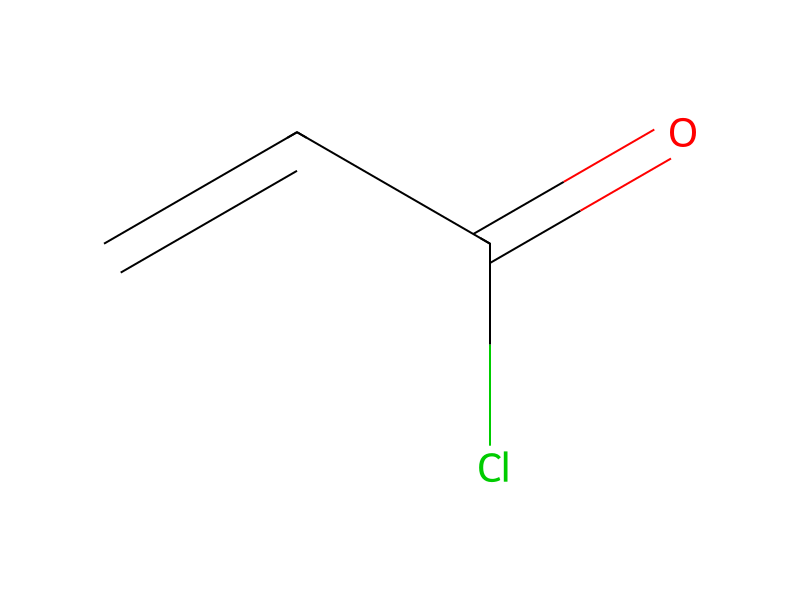
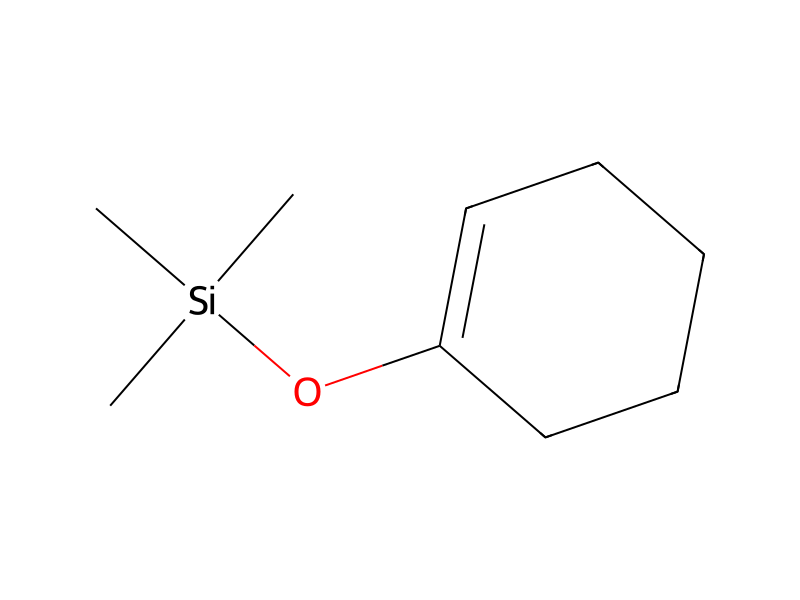
[C:1](Cl)(=[O:4])[CH:2]=[CH2:3].[CH:6]1[C:15]2[C:10](=[CH:11][CH:12]=[CH:13][CH:14]=2)[CH:9]=[N:8][N:7]=1.C[Si](C)(C)[O:18][C:19]1[CH2:24][CH2:23][CH2:22][CH2:21][CH:20]=1>C(Cl)Cl>[C:1]([N:7]1[N:8]=[CH:9][C:10]2[C:15](=[CH:14][CH:13]=[CH:12][CH:11]=2)[CH:6]1[CH:20]1[CH2:21][CH2:22][CH2:23][CH2:24][C:19]1=[O:18])(=[O:4])[CH:2]=[CH2:3]Participants
5
Reactant 3

Product 1

Reagents, catalysts & solvents 1

Conditions
- Temperature
- 0 °C
Procedure
A solution of 0.53 ml of acryloyl chloride in 3 ml of methylene chloride is slowly added dropwise at 0° C. to a solution of 0.78 g of phthalazine and 1.2 ml of 1-trimethylsiloxy-cyclohexene. After the addition the mixture is stirred at 0° C. for a further 30 min., then concentrated, treated with ice-water and made basic by the addition of sodium carbonate. The mixture is extracted 3 times with 100 ml of ethyl acetate each time. The organic phases are combined, dried over magnesium sulphate, filtered and the filtrate is concentrated. 1.63 g of (RS)-2-(2-acryloyl-1,2-dihydro-phthalazin-1-yl)-cyclohexanone (mixture of diastereomers) are isolated as a brownish oil. MS: 282 (M+).
Workup
- additionAfter the addition the mixture
- concentrationconcentrated
- additiontreated with ice-water
- additionmade basic by the addition of sodium carbonate
- extractionThe mixture is extracted 3 times with 100 ml of ethyl acetate each time
- dry with materialdried over magnesium sulphate
- filtrationfiltered
- concentrationthe filtrate is concentrated
Sources & evidence
- ORD record
- ord-48ea3860cb3f4873b78362d5c6bf364f
- Source dataset
- uspto-grants-2000_09
- Patent number
- US06114330
Reaction notes
Loading…