Potassium Carbonate → 2-[3-[(E)-2-(5-bromopyridin-3-yl)vinyl]phenylamino]-3-nitropyridine
Reaction equation

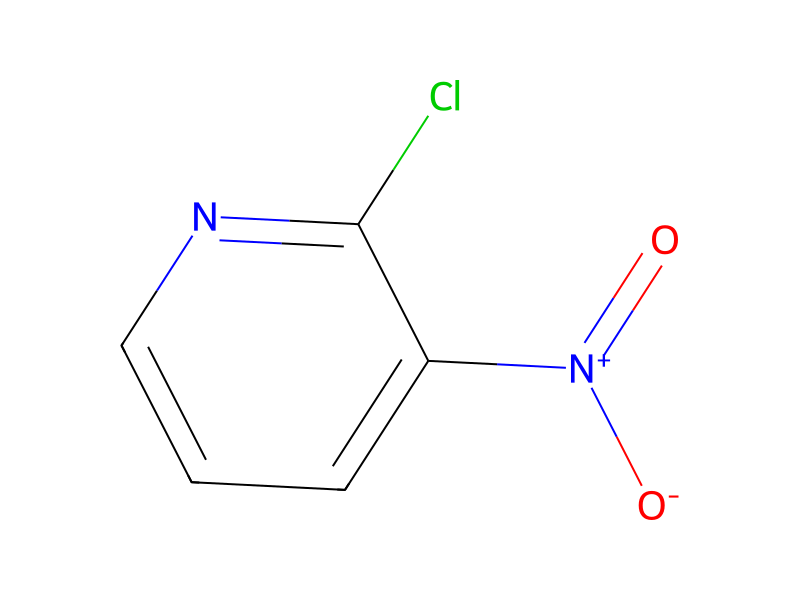
[NH2:1][C:2]1[CH:3]=[C:4](/[CH:8]=[CH:9]/[C:10]2[CH:11]=[N:12][CH:13]=[C:14]([Br:16])[CH:15]=2)[CH:5]=[CH:6][CH:7]=1.Cl[C:18]1[C:23]([N+:24]([O-:26])=[O:25])=[CH:22][CH:21]=[CH:20][N:19]=1.C(=O)([O-])[O-].[K+].[K+]>O1CCOCC1>[Br:16][C:14]1[CH:15]=[C:10](/[CH:9]=[CH:8]/[C:4]2[CH:3]=[C:2]([NH:1][C:18]3[C:23]([N+:24]([O-:26])=[O:25])=[CH:22][CH:21]=[CH:20][N:19]=3)[CH:7]=[CH:6][CH:5]=2)[CH:11]=[N:12][CH:13]=1Participants
5




Procedure
A mixture of 3-[(E)-2-(3-aminophenyl)vinyl]-5-bromopyridine (3.5 g), 2-chloro-3-nitropyridine (2.22 g) and potassium carbonate (2.64 g) in 1,4-dioxane (30 ml) was stirred under reflux for 22 hours. The mixture was filtered and the filtrate was concentrated. The resultant solid was washed with ethanol to give 2-[3-[(E)-2-(5-bromo pyridin-3-yl)vinyl]phenylamino]-3-nitropyridine (1.63 g).
Workup
- temperatureunder reflux for 22 hours
- filtrationThe mixture was filtered
- concentrationthe filtrate was concentrated
- washThe resultant solid was washed with ethanol
Sources & evidence
- ORD record
- ord-3bbdde44f9b74d4c8d5e339989e2de7e
- Source dataset
- uspto-grants-2000_09
- Patent number
- US06117875
Reaction notes
Loading…