Hydrogen Bromide → HCID 58589656, compound
Reaction equation

[O:1]=[C:2]1[CH2:10][C:9]2[C:8]([C:11]([O:13][CH3:14])=[O:12])=[CH:7][CH:6]=[CH:5][C:4]=2[NH:3]1.O.[BrH:16].[Br:17]Br>C([O-])(C)(C)C.N1C=CC=CC=1>[Br:16][C:10]1([Br:17])[C:9]2[C:8]([C:11]([O:13][CH3:14])=[O:12])=[CH:7][CH:6]=[CH:5][C:4]=2[NH:3][C:2]1=[O:1]Participants
7






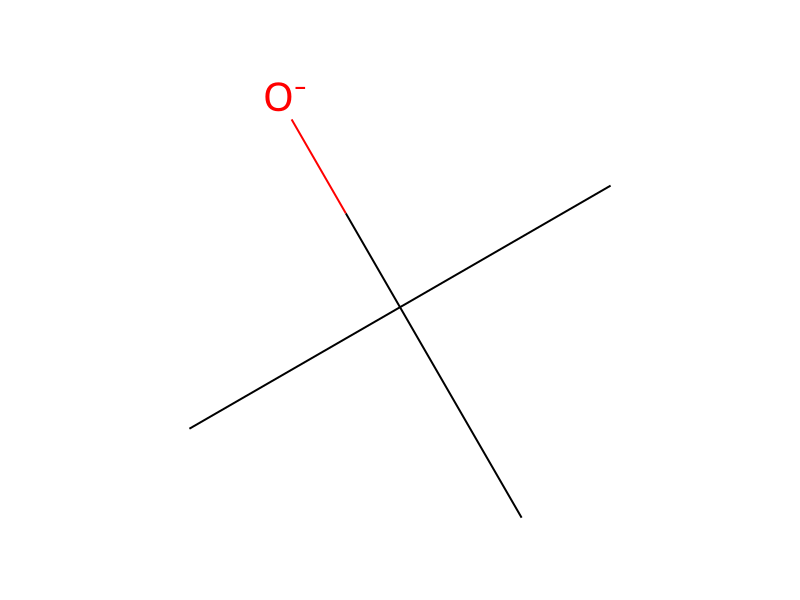
Procedure
2,3-Dihydro-2-oxo-1H-indole-4-carboxylic acid, methyl ester, (C. A. Grob and 0. Weissbach, Hely. Chim. Acta, vol. 44, p. 1736, 1961) (2 g, 11.4 mmol) was dissolved in t-butylhydroxide (120 mL) containing 0.5 mL of water. Pyridine.hydrogen bromide.bromine (14.6 g, 45.7 mmol) was added and the mixture was stirred at room temperature for 16 hours. The reaction was quenched by the addition of water and the t-butylhydroxide was distilled off. The resulting residue was partitioned between water and ethyl acetate, and the ethyl acetate was dried with magnesium sulfate, filtered and concentrated in vacuo to yield the title compound (3.92 g, 98%).
Workup
- customThe reaction was quenched by the addition of water
- distillationthe t-butylhydroxide was distilled off
- customThe resulting residue was partitioned between water and ethyl acetate
- dry with materialthe ethyl acetate was dried with magnesium sulfate
- filtrationfiltered
- concentrationconcentrated in vacuo
Sources & evidence
- ORD record
- ord-bf4c26377a9e45e1bbeaea5cf51677bd
- Source dataset
- uspto-grants-2000_09
- Patent number
- US06117885
Reaction notes
Loading…