Sodium Carbonate → 4-(2-Oxopyrrolidin-1-yl)benzoic acid
Reaction equation

[NH2:1][C:2]1[CH:10]=[CH:9][C:5]([C:6]([O-:8])=[O:7])=[CH:4][CH:3]=1.[Na+].Cl[CH2:13][CH2:14][CH2:15][C:16](Cl)=[O:17].C([O-])([O-])=O.[Na+].[Na+]>C1C=CC=CC=1>[O:17]=[C:16]1[CH2:15][CH2:14][CH2:13][N:1]1[C:2]1[CH:10]=[CH:9][C:5]([C:6]([OH:8])=[O:7])=[CH:4][CH:3]=1Participants
5
Reactant 3

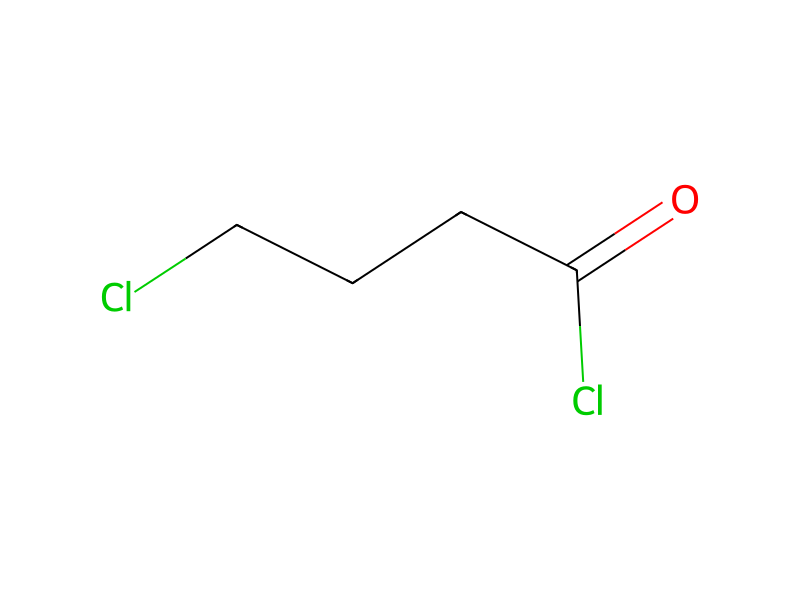

Product 1

Reagents, catalysts & solvents 1

Conditions
- Temperature
- 60 °C
Procedure
Sodium 4-aminobenzoate (42.5 g,0.267 mol) was suspended in 250 ml benzene. To this solution, upon vigorous stirring, 4-chlorobutyryl chloride (29 ml, 0.248 mol) was added slowly. The temperature of the reaction mixture was heated to 60° C. It is at 60° C. that the reaction was continued for another 20 hours. Na2CO3 solution (20%, 600 ml) was then added and the benzene layer was separated. The aqueous layer was acidified and the white precipitate was filtrated and recrystallized from methanol to form colorless crystal of 4-(2-oxo-pyrrolidin-1-yl)-benzoic acid. Mass Spectra: m/e (relative intensity) 205(M+, 44.23).
Workup
- customis at 60° C. that the reaction
- customthe benzene layer was separated
- filtrationthe white precipitate was filtrated
- customrecrystallized from methanol
Sources & evidence
- ORD record
- ord-e0662b7a0cb14e4c8b9a8a552bb10d5f
- Source dataset
- uspto-grants-2000_09
- Patent number
- US06124365
Reaction notes
Loading…