Phosphorus trichloride → Dimethyl Quinoline-2,3-dicarboxylate
Reaction equation

[N+:1]1([O-])[C:10]2[C:5](=[CH:6][CH:7]=[CH:8][CH:9]=2)[CH:4]=[C:3]([C:11]([O:13][CH3:14])=[O:12])[C:2]=1[C:15]([O:17][CH3:18])=[O:16].P(Cl)(Cl)Cl>C(Cl)(Cl)Cl>[N:1]1[C:10]2[C:5](=[CH:6][CH:7]=[CH:8][CH:9]=2)[CH:4]=[C:3]([C:11]([O:13][CH3:14])=[O:12])[C:2]=1[C:15]([O:17][CH3:18])=[O:16]Participants
4
Reactant 2
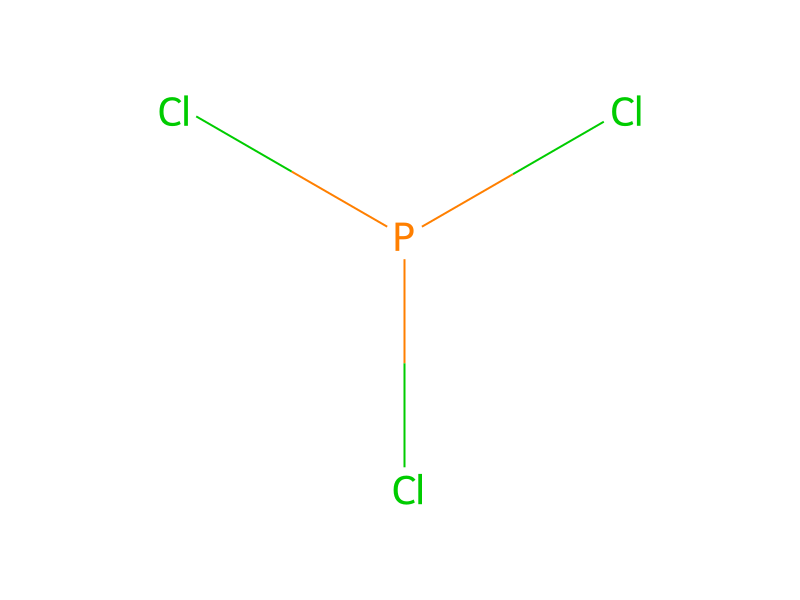

Product 1

Reagents, catalysts & solvents 1

Procedure
A solution of N-oxide 3 (10 mM) and phosphorus trichloride (30 mM) in anhydrous chloroform (100 ml) was refluxed for 7 h. Solvent was removed under reduced pressure and the residue was partitioned between ethyl acetate and water. The organic layer was dried over sodium sulphate and then evaporated under reduced pressure. The residue was recrystallized from isopropanol to provide the title dimethyl quinoline-2,3-dicarboxylate 7 as an off white (or light yellow) powder.
Workup
- customSolvent was removed under reduced pressure
- customthe residue was partitioned between ethyl acetate and water
- dry with materialThe organic layer was dried over sodium sulphate
- customevaporated under reduced pressure
- customThe residue was recrystallized from isopropanol
Sources & evidence
- ORD record
- ord-4ee3d8d301824f80b57afcbb6894ed3d
- Source dataset
- uspto-grants-1998_07
- Patent number
- US05776935
Reaction notes
Loading…