Ethanol → Diethyl tridecanedioate
Reaction equation

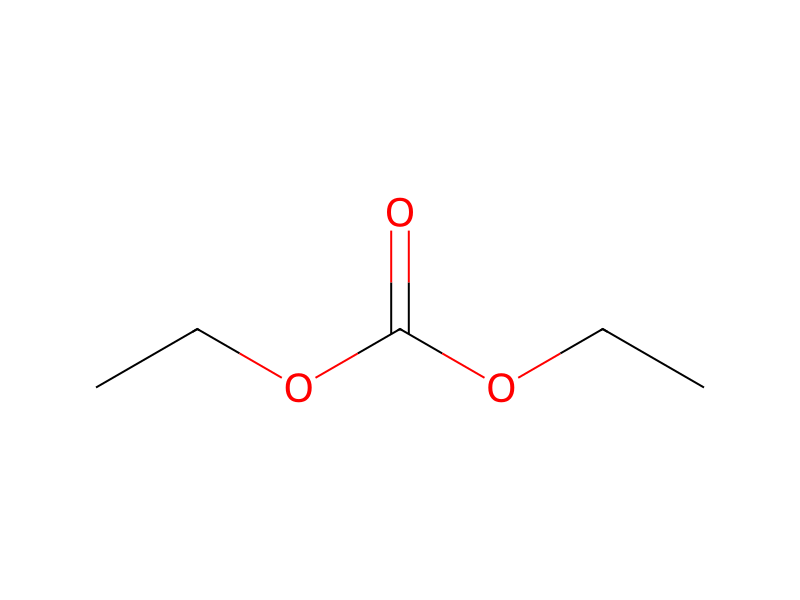
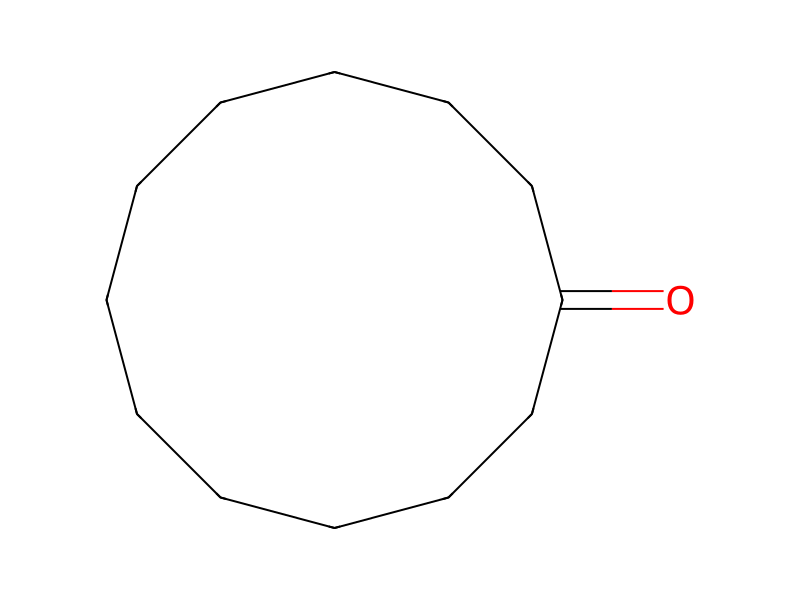
C[O-:2].[K+].[C:4]1(=[O:16])[CH2:15][CH2:14][CH2:13][CH2:12][CH2:11][CH2:10][CH2:9][CH2:8][CH2:7][CH2:6][CH2:5]1.[C:17](=O)([O:21]CC)[O:18][CH2:19][CH3:20].CO.[CH2:27](O)[CH3:28]>>[C:4]([O:16][CH2:27][CH3:28])(=[O:2])[CH2:15][CH2:14][CH2:13][CH2:12][CH2:11][CH2:10][CH2:9][CH2:8][CH2:7][CH2:6][CH2:5][C:17]([O:18][CH2:19][CH3:20])=[O:21]Participants
6




Procedure
The procedure of Example 2 was followed, except that 100 g (1.2 mol) of potassium methylate, 728 g (4 mol) of cyclododecanone and 849 g (7.2 mol) of diethyl carbonate were fed to the first reactor per hour. Instead of 100 g/h of methanol, 120 g/h of ethanol were fed to the reactor. 1116 g of diethyl brassylate were obtained per hour, equivalent to a yield of 93% of theory, based on cyclododecanone used.
Workup
- waitwere fed to the first reactor per hour
Sources & evidence
- ORD record
- ord-8bb3a76118d644d1969268d58f9c0a46
- Source dataset
- uspto-grants-1998_07
- Patent number
- US05786502
Reaction notes
Loading…