Benzene → HCID 67064881, compound
Reaction equation

C1(N2CC[O:9]CC2)CCCC=1.[CH3:12][O:13][C:14]1[CH:15]=[C:16]([CH:19]=[CH:20][C:21]=1[O:22][CH3:23])[CH:17]=O.Cl.[CH:25]1[CH:30]=[CH:29][CH:28]=[CH:27]C=1>>[CH3:12][O:13][C:14]1[CH:15]=[C:16]([CH:19]=[CH:20][C:21]=1[O:22][CH3:23])[CH:17]=[C:27]1[CH2:28][CH2:29][CH2:30][C:25]1=[O:9]Participants


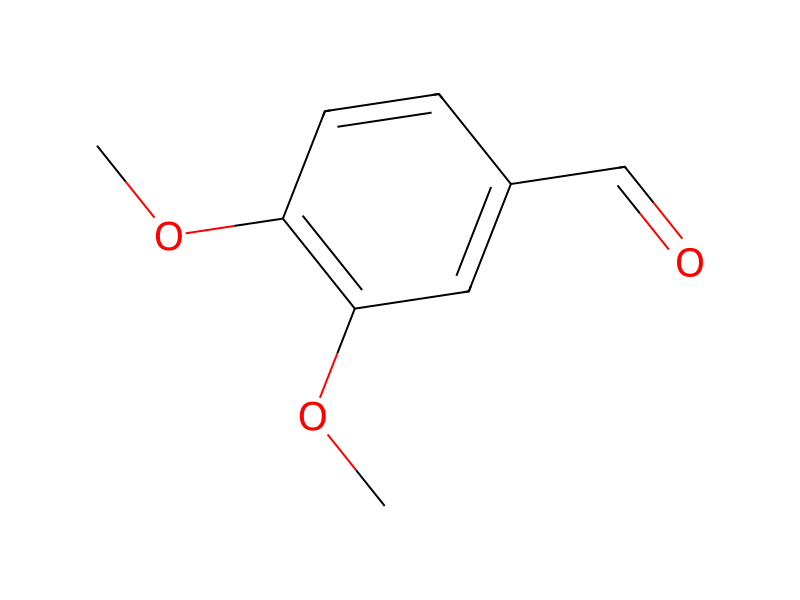


Conditions
- Temperature
- 30 °C
Procedure
With reflux device installed, 36.8 g (0.24 mol) of N-cyclopentenyl morpholine, 0.20 mol of 3,4-dimethoxybenzaldehyde and 200 mL benzene were added to a round bottom flask and heated under reflux for 20 h. The resulting solution was cooled to 30° C. and slowly stirred while 62 mL of hydrochloric acid (6 mol/L) was added. After stirring for 2 h at room temperature, the benzene layer was separated and washed with water to neutral, and dried over anhydrous sodium sulfate overnight. Then the mixture was filtered to remove anhydrous sodium sulfate and benzene was recovered by evaporation under reduced pressure. The residue was cooled and solidified, then recrystallized in cyclohexane/ethanol to yield a light yellow flaky crystal product with a yield of 69.3%.
Workup
- temperatureWith reflux device
- temperatureheated
- temperatureunder reflux for 20 h
- additionwas added
- customthe benzene layer was separated
- washwashed with water to neutral, and
- dry with materialdried over anhydrous sodium sulfate overnight
- filtrationThen the mixture was filtered
- customto remove anhydrous sodium sulfate and benzene
- customwas recovered by evaporation under reduced pressure
- temperatureThe residue was cooled
- customrecrystallized in cyclohexane/ethanol
- customto yield a light yellow flaky crystal product with a yield of 69.3%
Sources & evidence
- ORD record
- ord-b334d22c73b74344b18c0db47975dcdb
- Source dataset
- uspto-grants-2013_04
- Patent number
- US08415505B2
Reaction notes
Loading…