Hydrazine hydrate (1:1) → 2-Amino-5-(6-morpholin-4-ylpyridin-3-yl)thiophene-3-carboxamide
Reaction equation

[N:1]1([C:7]2[N:12]=[CH:11][C:10]([C:13]3[S:17][C:16]([N+:18]([O-])=O)=[C:15]([C:21]([NH2:23])=[O:22])[CH:14]=3)=[CH:9][CH:8]=2)[CH2:6][CH2:5][O:4][CH2:3][CH2:2]1.O.NN>CO.[Fe](Cl)(Cl)Cl>[NH2:18][C:16]1[S:17][C:13]([C:10]2[CH:11]=[N:12][C:7]([N:1]3[CH2:6][CH2:5][O:4][CH2:3][CH2:2]3)=[CH:8][CH:9]=2)=[CH:14][C:15]=1[C:21]([NH2:23])=[O:22]Participants
5



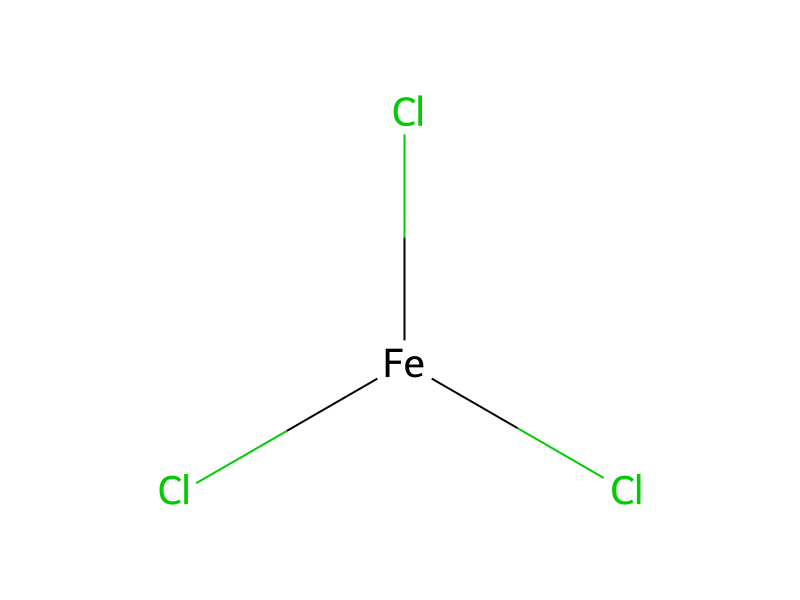

Conditions
- Temperature
- 65 °C
Procedure
5-(6-Morpholin-4-ylpyridin-3-yl)-2-nitrothiophene-3-carboxamide (2.77 g, 8.28 mmol), iron(III) chloride (0.03 g, 0.17 mmol), and hydrazine monohydrate (1.34 ml, 27.3 mmol) were combined in methanol (166 ml) and the reaction mixture was purged with nitrogen. The reaction was heated to 65° C. for 3 hours. After cooling to room temperature, the reaction mixture was filtered and solid was washed with methanol. Silica gel was added to the filtrate and the mixture was concentrated. The residue was purified by column chromatography on silica gel, eluting with ethyl acetate/methanol to give the title compound as an orange solid.
Workup
- customthe reaction mixture was purged with nitrogen
- temperatureAfter cooling to room temperature
- filtrationthe reaction mixture was filtered
- washsolid was washed with methanol
- additionSilica gel was added to the filtrate
- concentrationthe mixture was concentrated
- customThe residue was purified by column chromatography on silica gel
- washeluting with ethyl acetate/methanol
Sources & evidence
- ORD record
- ord-347bcde289fe4cb1bee722184aad985a
- Source dataset
- uspto-grants-2013_04
- Patent number
- US08420695B2
Reaction notes
Loading…