p-Toluenesulfonic acid → 4-Chloro-2-(dimethoxymethyl)-1-nitrobenzene
Reaction equation

[Cl:1][C:2]1[CH:3]=[CH:4][C:5]([N+:10]([O-:12])=[O:11])=[C:6]([CH:9]=1)C=O.[CH3:13][O:14][CH:15](OC)[O:16][CH3:17].CC1C=CC(S(O)(=O)=O)=CC=1.C([O-])([O-])=O.[Na+].[Na+]>CO>[Cl:1][C:2]1[CH:3]=[CH:4][C:5]([N+:10]([O-:12])=[O:11])=[C:6]([CH:15]([O:16][CH3:17])[O:14][CH3:13])[CH:9]=1Participants
6





Procedure
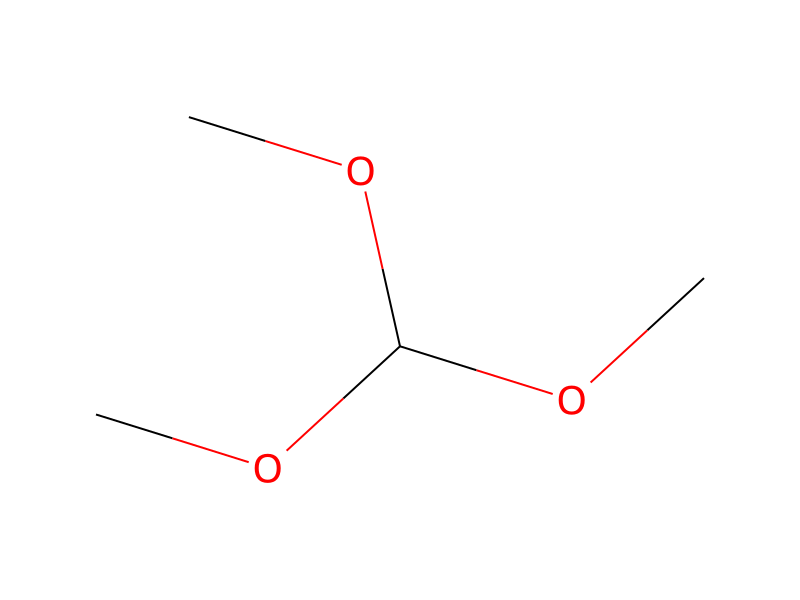
A mixture of 5-chloro-2-nitro-benzaldehyde (0.0792 mol), trimethoxy-methane (0.126 mol) and PTSA (0.00079 mol) in methanol (80m) was refluxed until the 5-chloro-2-nitro-benzaldehyde had completely reacted. The mixture was cooled, Na2CO3 was added and stirred for 5min. The mixture was filtered off and the filtrate was evaporated under reduced pressure to yield the title compound as a residue.
Workup
- customhad completely reacted
- temperatureThe mixture was cooled
- filtrationThe mixture was filtered off
- customthe filtrate was evaporated under reduced pressure
Sources & evidence
- ORD record
- ord-b350ccfe790a4580b6e7f9c9e5b18063
- Source dataset
- uspto-grants-2013_04
- Patent number
- US08426429B2
Reaction notes
Loading…