3,3,3-Trifluoropropane-1-sulfonyl chloride → HCID 53257535, compound
Reaction equation

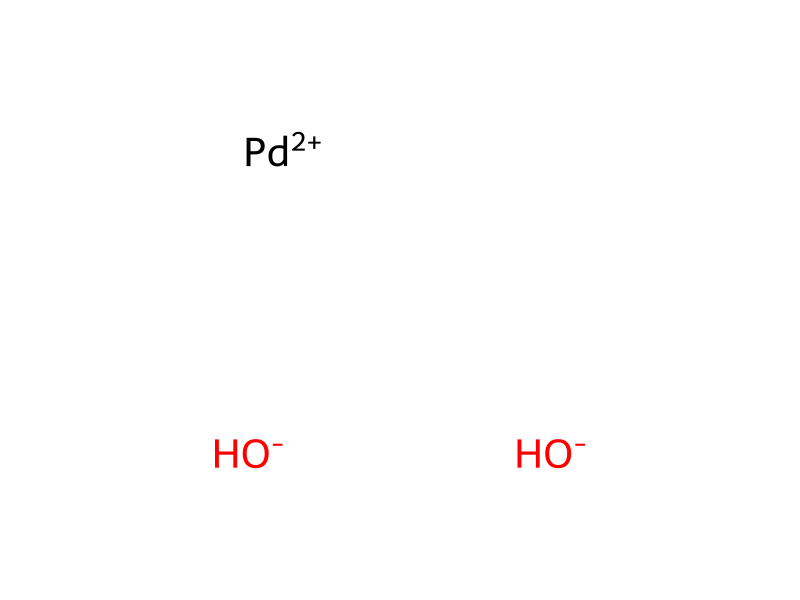
[N:1]([C@@H:4]1[CH2:8][N:7]([C:9]2[N:13]3[C:14]4[CH:20]=[CH:19][NH:18][C:15]=4[N:16]=[CH:17][C:12]3=[CH:11][N:10]=2)[C@H:6]([CH2:21][CH3:22])[CH2:5]1)=[N+]=[N-].[F:23][C:24]([F:32])([F:31])[CH2:25][CH2:26][S:27](Cl)(=[O:29])=[O:28]>CCO.[OH-].[OH-].[Pd+2]>[CH2:21]([C@H:6]1[N:7]([C:9]2[N:13]3[C:14]4[CH:20]=[CH:19][NH:18][C:15]=4[N:16]=[CH:17][C:12]3=[CH:11][N:10]=2)[CH2:8][C@@H:4]([NH:1][S:27]([CH2:26][CH2:25][C:24]([F:32])([F:31])[F:23])(=[O:29])=[O:28])[CH2:5]1)[CH3:22]Participants
Reactant 2


Product 1

Reagents, catalysts & solvents 2

Procedure
To slurry of palladium hydroxide on carbon (20 mol %, 0.013 g, 0.019 mmol) in EtOH (5 mL) was added a solution of 1-((2R,4S)-4-azido-2-ethylpyrrolidin-1-yl)-6H-imidazo[1,5-a]pyrrolo[2,3-e]pyrazine (0.110 g, 0.371 mmol, prepared using E from (2R,4S)-tert-butyl-4-azido-2-ethylpyrrolidine-1-carboxylate (synthesized as described in. J. Med. Chem. 1988, 31, 1598-1611) with HCl, J with Example #5, Step C, OO, D with NaOH) in EtOH (2 mL). The reaction mixture was sparged with hydrogen and an atmosphere of hydrogen was maintained via balloon. After about 2 h the reaction mixture was filtered and concd under reduced pressure The residue was dissolved in DCM (5 mL) and 3,3,3-trifluoropropane-1-sulfonyl chloride (0.080 g, 0.41 mmol, Matrix) was added. After about 15 h additional 3,3,3-trifluoropropane-1-sulfonyl chloride (80 mg, 0.408 mmol, Matrix) was added. After about 2 days the reaction mixture was partitioned between EtOAc (10 mL) and brine (10 mL). The organic layer was separated, dried over anhydrous Na2SO4, filtered, and concd under reduced pressure. The crude product was purified by chromatography on silica gel eluting with EtOAc to provide N-((3S,5R)-5-ethyl-1-(6H-imidazo[1,5-a]pyrrolo[2,3-e]pyrazin-1-yl)pyrrolidin-3-yl)-3,3,3-trifluoropropane-1-sulfonamide (0.025 g, 16%) as a brown solid: LC/MS (Table 1, Method a) Rt=1.81 min; MS m/z: 431 (M+H)+.
Workup
- customThe reaction mixture was sparged with hydrogen
- temperaturean atmosphere of hydrogen was maintained via balloon
- filtrationAfter about 2 h the reaction mixture was filtered
- dissolutionwas dissolved in DCM (5 mL)
- customAfter about 2 days the reaction mixture was partitioned between EtOAc (10 mL) and brine (10 mL)
- customThe organic layer was separated
- dry with materialdried over anhydrous Na2SO4
- filtrationfiltered
- customThe crude product was purified by chromatography on silica gel eluting with EtOAc
Sources & evidence
- ORD record
- ord-cbdb956a63e543228d7b8808beb057d2
- Source dataset
- uspto-grants-2013_04
- Patent number
- US08426411B2
Reaction notes
Loading…