Pyruvate → Sucrose
Reaction equation

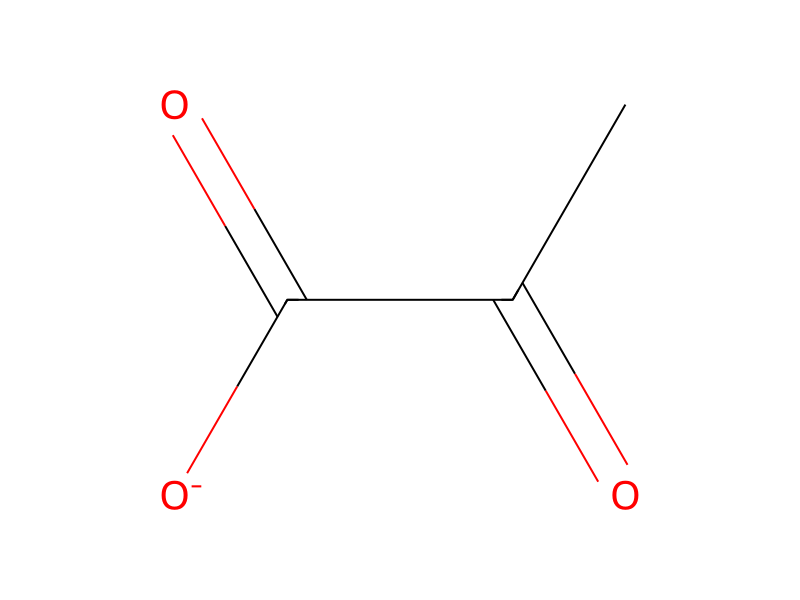
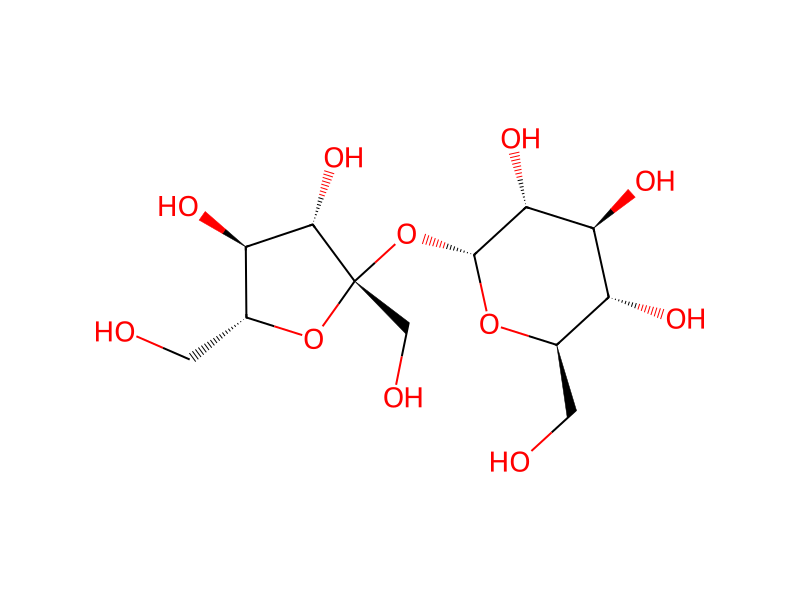
C(SCCNC(=O)CCNC(=O)[C@H](O)C(C)(C)COP(O)(=O)OP(O)(=O)[O:20][CH2:21][C@H:22]1[O:26][C@@H:25](N2C3N=CN=C(N)C=3N=C2)[C@H:24]([OH:37])[C@@H:23]1[O:38]P(O)(O)=O)(=O)C.[CH2:52]([O:63]P(O)(O)=O)[C@H:53]1[O:58][C@@H:57]([OH:59])[C@H:56]([OH:60])[C@@H:55]([OH:61])[C@@H:54]1[OH:62].C([O-])(=O)[C:69](C)=[O:70]>>[CH2:52]([OH:63])[C@H:53]1[O:58][C@H:57]([O:59][C@:22]2([CH2:21][OH:20])[O:26][C@H:25]([CH2:69][OH:70])[C@@H:24]([OH:37])[C@@H:23]2[OH:38])[C@H:56]([OH:60])[C@@H:55]([OH:61])[C@@H:54]1[OH:62]Participants


Procedure
Plant seed oils comprise both neutral and polar lipids (see Table 1). The neutral lipids contain primarily triacylglycerol, which is the main storage lipid that accumulates in oil bodies in seeds. The polar lipids are mainly found in the various membranes of the seed cells, e.g. the endoplasmic reticulum, microsomal membranes, plastidial and mitochondrial membranes and the cell membrane. The neutral and polar lipids contain several common fatty acids (see Table 2) and a range of less common fatty acids. The fatty acid composition of membrane lipids is highly regulated and only a select number of fatty acids are found in membrane lipids. On the other hand, a large number of unusual fatty acids can be incorporated into the neutral storage lipids in seeds of many plant species (Van de Loo F. J. et al. 1993, Unusual Fatty Acids in Lipid Metabolism in Plants pp. 91-126, editor T S Moore Jr. CRC Press; Millar et al. 2000, Trends Plant Sci. 5:95-101). Lipids are synthesized from fatty acids and their synthesis may be divided into two parts: the prokaryotic pathway and the eukaryotic pathway (Browse et al. 1986, Biochemical J. 235:25-31; Ohlrogge & Browse 1995, Plant Cell 7:957-970). The prokaryotic pathway is located in plastids that are also the primary site of fatty acid biosynthesis. Fatty acid synthesis begins with the conversion of acetyl-CoA to malonyl-CoA by acetyl-CoA carboxylase (ACCase). Malonyl-CoA is converted to malonyl-acyl carrier protein (ACP) by the malonyl-CoA:ACP transacylase. The enzyme beta-keto-acyl-ACP-synthase III (KAS III) catalyzes a condensation reaction, in which the acyl group from acetyl-CoA is transferred to malonyl-ACP to form 3-ketobutyryl-ACP. In a subsequent series of condensation, reduction and dehydration reactions the nascent fatty acid chain on the ACP cofactor is elongated by the step-by-step addition (condensation) of two carbon atoms donated by malonyl-ACP until a 16- or 18-carbon saturated fatty acid chain is formed. The plastidial delta-9 acyl-ACP desaturase introduces the first double bond into the fatty acid. In the prokaryotic pathway the saturated and monounsaturated acyl-ACPs are direct substrates for the plastidial glycerol-3-phosphate acyltransferase and the lysophosphatidic acid acyltransferase, which catalyze the esterification of glycerol-3-phosphate at the sn-1 and sn-2 position. The resulting phosphatidic acid is the precursor for plastidial lipids, in which further desaturation of the acyl-residues can occur. In the eukaryotic lipid biosynthesis pathway thio-esterases cleave the fatty acids from the ACP cofactor and free fatty acids are exported to the cytoplasm where they participate as fatty acyl-CoA esters in the eukaryotic pathway. In this pathway the fatty acids are esterified by glycerol-3-phosphate acyltransferase and lysophosphatidic acid acyl-transferase to the sn-1 and sn-2 positions of glycerol-3-phosphate, respectively, to yield phosphatidic acid (PA). The PA is the precursor for other polar and neutral lipids, the latter being formed in the Kennedy of other pathways (Voelker 1996, Genetic Engineering ed.: Setlow 18:111-113; Shanklin & Cahoon 1998, Annu. Rev. Plant Physiol. Plant Mol. Biol. 49:611-641; Frentzen 1998, Lipids 100:161-166; Millar et al. 2000, Trends Plant Sci. 5:95-101). The acyl-CoAs resulted from the export of plastidic fatty acids can also be elongated to yield very-long-chain fatty acids with more than 18 carbon atoms. Fatty acid elongases are multienzyme complexes consisting of at least four enzyme activities: beta-ketoacyl-CoA synthases, beta-ketoacyl-CoA reductase, beta-hydroxyacyl-CoA dehydratase and enoyl-CoA reductase. It is well known that the beta-ketoacyl-CoA synthase determines the activity and the substrate selectivity of the fatty acid elongase complex (Millar & Kunst 1997, Plant J. 12:121-131). The very-long-chain fatty acids can be either used for wax and sphingolipid biosynthesis or enter the pathways for seed storage lipid biosynthesis. Storage lipids in seeds are synthesized from carbohydrate-derived precursors. Plants have a complete glycolytic pathway in the cytosol (Plaxton 1996, Annu. Rev. Plant Physiol. Plant Mol. Biol. 47:185-214), and it has been shown that a complete pathway also exists in the plastids of rapeseeds (Kang & Rawsthorne 1994, Plant J. 6:795-805). Sucrose is the primary source of carbon and energy, transported from the leaves into the developing seeds. During the storage phase of seeds, sucrose is converted in the cytosol to provide the metabolic precursors glucose-6-phosphate and pyruvate. These are transported into the plastids and converted into acetyl-CoA that serves as the primary precursor for the synthesis of fatty acids. Acetyl-CoA in the plastids is the central precursor for lipid biosynthesis. Acetyl-CoA can be formed in the plastids by different reactions and the exact contribution of each reaction is still being debated (Ohlrogge & Browse 1995, Plant Cell 7:957-970). It is however accepted that a large part of the acetyl-CoA is derived from glucose-6-phosphate and pyruvate that are imported from the cytoplasm into the plastids. Sucrose is produced in the source organs (leaves, or anywhere where photosynthesis occurs) and is transported to the developing seeds that are also termed sink organs. In the developing seeds, sucrose is the precursor for all the storage compounds, i.e. starch, lipids, and partly the seed storage proteins. Generally the breakdown of lipids is considered to be performed in plants in peroxisomes in the process know as beta-oxidation. This process involves the enzymatic reactions of acyl-CoA oxidase, hydroxyacyl-CoA-dehydrogenase (both found as a multifunctional complex) and ketoacyl-CoA-thiolase, with catalase in a supporting role (Graham and Eastmond 2002). In addition to the breakdown of common fatty acids beta-oxidation also plays a role in the removal of unusual fatty acids and fatty acid oxidation products, the glyoxylate cycle and the metabolism of branched chain amino acids.
Sources & evidence
- ORD record
- ord-97d850f81338480ea90dfa905694583a
- Source dataset
- uspto-grants-2013_04
- Patent number
- US08426676B2
Reaction notes
Loading…