Dichloromethane → HCID 66582650, compound
Reaction equation

[Br:1][C:2]1[CH:7]=[CH:6][C:5]([N:8]2[CH2:13][CH2:12][NH:11][CH2:10][CH2:9]2)=[CH:4][CH:3]=1.C(Cl)Cl.C(N(CC)CC)C.[C:24]1([S:30](Cl)(=[O:32])=[O:31])[CH:29]=[CH:28][CH:27]=[CH:26][CH:25]=1>O>[Br:1][C:2]1[CH:3]=[CH:4][C:5]([N:8]2[CH2:13][CH2:12][N:11]([S:30]([C:24]3[CH:29]=[CH:28][CH:27]=[CH:26][CH:25]=3)(=[O:32])=[O:31])[CH2:10][CH2:9]2)=[CH:6][CH:7]=1Participants
6
Reactant 4

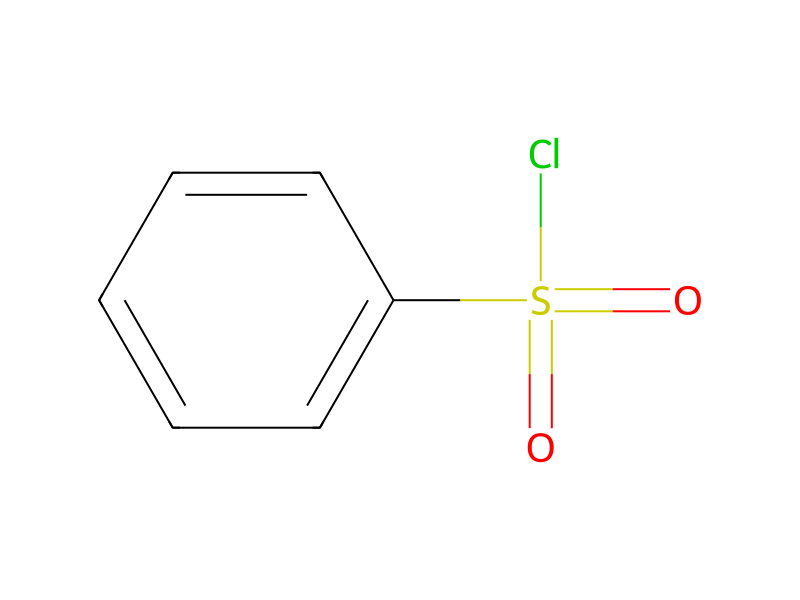


Product 1

Reagents, catalysts & solvents 1

Procedure
A 500 mL round-bottomed flask was charged with 1-(4-bromophenyl)piperazine (10.00 g, 41.5 mmol, Combi-Blocks, San Diego, Calif.) and 100 mL of CH2Cl2. To this was slowly added triethylamine (6.94 mL, 49.8 mmol) and benzenesulfonyl chloride (6.15 mL, 47.7 mmol). After 15 min at room temperature, the mixture was diluted with water (100 mL) and layers were separated. The organics were dried (MgSO4) and concentrated. The resulting solid was slurried with diethyl ether (200 mL) to give 1-(4-bromophenyl)-4-(phenylsulfonyl)piperazine (15.00 g) as a white solid.
Workup
- customwere separated
- dry with materialThe organics were dried (MgSO4)
- concentrationconcentrated
Sources & evidence
- ORD record
- ord-bc7622e34a3649ce9e84a878a55aa00b
- Source dataset
- uspto-grants-2013_04
- Patent number
- US08431563B2
Reaction notes
Loading…