Potassium Carbonate → HCID 54512666, compound
Reaction equation

[NH:1]=[C:2]1[CH2:6][CH2:5][CH2:4][N:3]1[CH3:7].C(=O)([O-])[O-].[K+].[K+].[C:14]1([N:24]=[C:25]=[O:26])[C:23]2[C:18](=[CH:19][CH:20]=[CH:21][CH:22]=2)[CH:17]=[CH:16][CH:15]=1>C1C=CC=CC=1>[CH3:7][N:3]1[CH2:4][CH2:5][CH2:6][C:2]1=[N:1][C:25]([NH:24][C:14]1[C:23]2[C:18](=[CH:19][CH:20]=[CH:21][CH:22]=2)[CH:17]=[CH:16][CH:15]=1)=[O:26]Participants
5
Reactant 3

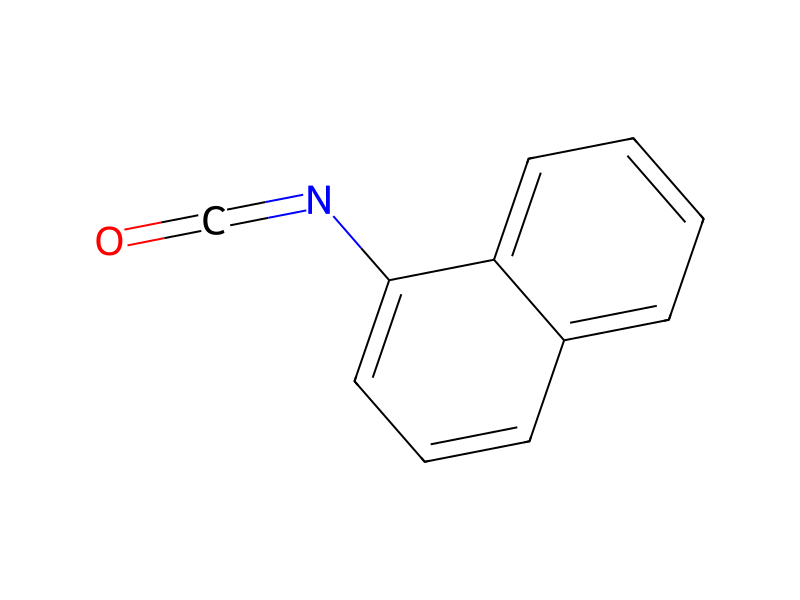

Product 1

Reagents, catalysts & solvents 1

Procedure
A solution of 2-imino-1-methylpyrrolidine (obtained from 6.91 g., 0.051 mole, hydrochloride salt) in benzene is dried over potassium carbonate and filtered. A solution of 1-naphthyl isocyanate (8.45 g., 0.05 mole) in benzene is added by filtration. The mixture is stirred for 11/2 hr. at room temperature and the precipitate separated by filtration. Recrystallization from acetone affords the product, 1-(1-methyl-2-pyrrolidinylidene)-3-(1-naphthyl)urea, m.p. 148°-149° C.
Workup
- filtrationfiltered
- customat room temperature and the precipitate separated by filtration
- customRecrystallization from acetone
Sources & evidence
- ORD record
- ord-80a65f3d002b4eb1bc9b605ac3bd9ba3
- Source dataset
- uspto-grants-1976_12
- Patent number
- US03998958
Reaction notes
Loading…