m-Chloroperbenzoic acid → HCID 18930400, compound
Reaction equation

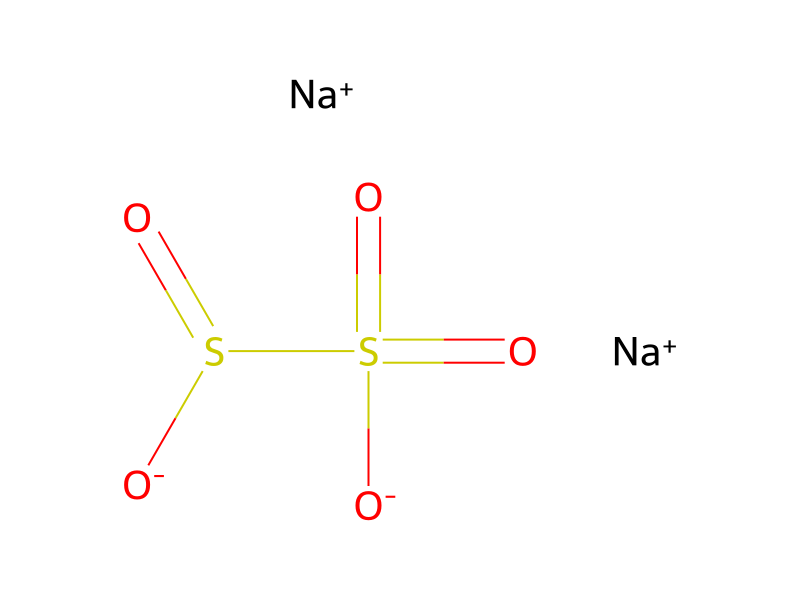
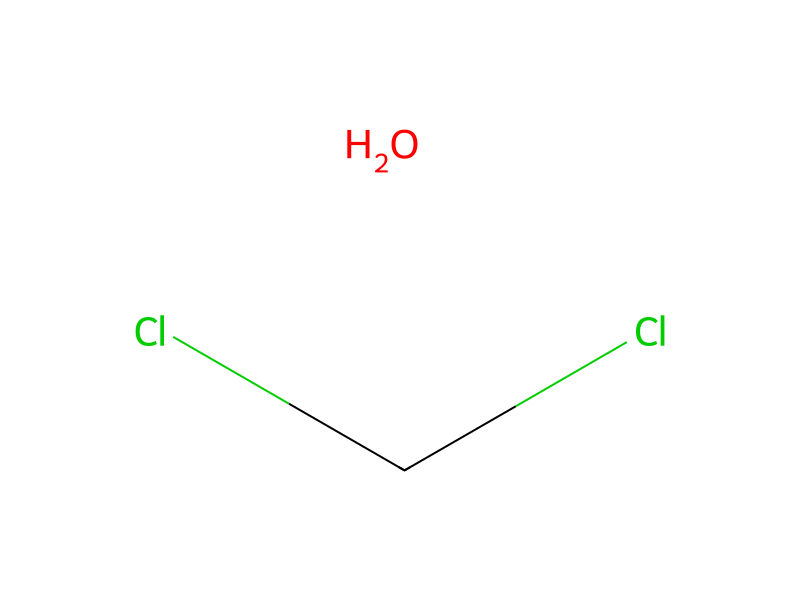
[Br:1][C:2]1[NH:3][C:4]([C:12]2[CH:17]=[CH:16][C:15]([Cl:18])=[CH:14][CH:13]=2)=[C:5]([S:8][CH:9]([F:11])[F:10])[C:6]=1[Br:7].ClC1C=C(C=CC=1)C(OO)=[O:24].S(S([O-])=O)([O-])(=O)=O.[Na+].[Na+]>C(Cl)(Cl)Cl.C(Cl)Cl.O>[Br:1][C:2]1[NH:3][C:4]([C:12]2[CH:17]=[CH:16][C:15]([Cl:18])=[CH:14][CH:13]=2)=[C:5]([S:8]([CH:9]([F:11])[F:10])=[O:24])[C:6]=1[Br:7]Participants




Conditions
- Temperature
- 0 °C
Procedure
A solution of 2,3-dibromo-5-(p-chlorophenyl)-4-[(difluoromethyl)thio]pyrrole (125 mg, 0.030 mmol) in chloroform is treated with 3-chloroperoxybenzoic acid (86 mg, 60%, 0.30 mmol) at 0° C. The reaction mixture is stirred for one hour at 0° C., warmed to room temperature, stirred overnight, poured into saturated sodium metabisulfite solution and diluted with a methylene chloride/water mixture. The organic phase is separated, washed with saturated sodium hydrogen carbonate solution, dried over anhydrous sodium sulfate and concentrated in vacuo to obtain a residue. Flash chromatography of the residue using silica gel and a 1:10 ethyl acetate/hexanes solution gives the title product as a yellow solid (68 mg, mp 180° C. (dec)) which is identified by 1HNMR and 13CNMR spectral analyses.
Workup
- temperaturewarmed to room temperature
- stirringstirred overnight
- customThe organic phase is separated
- washwashed with saturated sodium hydrogen carbonate solution
- dry with materialdried over anhydrous sodium sulfate
- concentrationconcentrated in vacuo
- customto obtain a residue
Sources & evidence
- ORD record
- ord-ca7f5d49052d458abed214f4da419e7a
- Source dataset
- uspto-grants-1994_02
- Patent number
- US05284863
Reaction notes
Loading…