Tin tetrachloride → 3,5-Dibromo-4-(3-cyclopentyl-4-hydroxyphenylsulfonyl)phenylacetic acid
Reaction equation

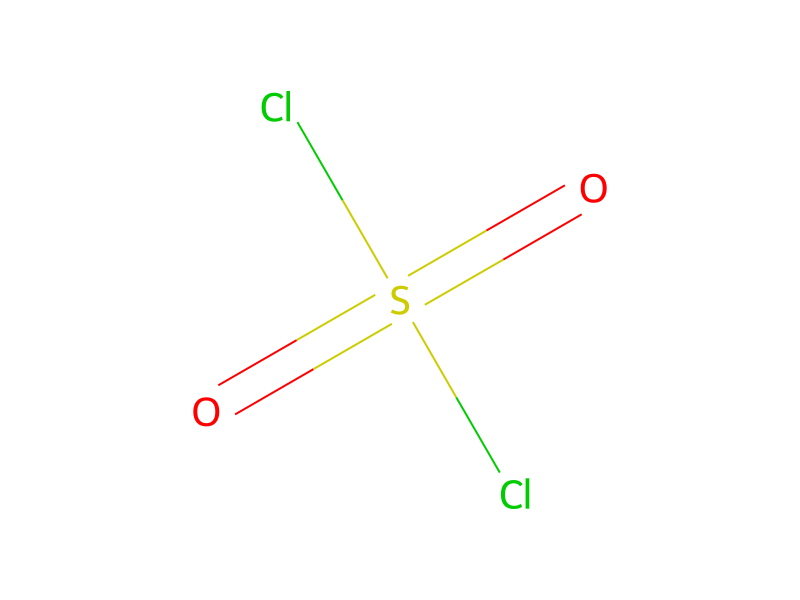
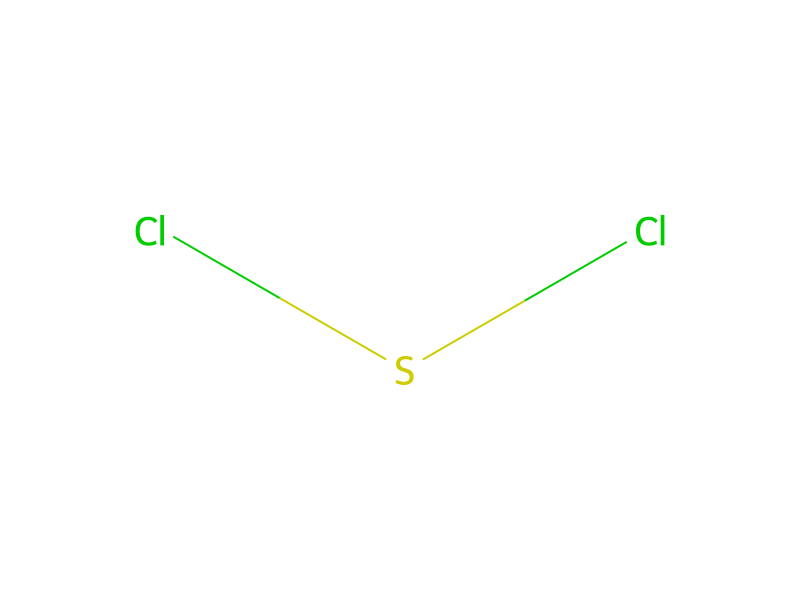
[S:1](Cl)(Cl)(=[O:3])=[O:2].[Br:6][C:7]1[CH:8]=[C:9]([CH2:15][C:16]([O:18]C)=[O:17])[CH:10]=[C:11]([Br:14])[C:12]=1S.S(Cl)Cl.[CH:23]1([C:28]2[CH:33]=[CH:32][CH:31]=[CH:30][C:29]=2[OH:34])[CH2:27][CH2:26][CH2:25][CH2:24]1.[Sn](Cl)(Cl)(Cl)Cl>ClCCl.CO>[Br:14][C:11]1[CH:10]=[C:9]([CH2:15][C:16]([OH:18])=[O:17])[CH:8]=[C:7]([Br:6])[C:12]=1[S:1]([C:32]1[CH:31]=[CH:30][C:29]([OH:34])=[C:28]([CH:23]2[CH2:27][CH2:26][CH2:25][CH2:24]2)[CH:33]=1)(=[O:3])=[O:2]Participants
8
Reactant 5



Product 1

Reagents, catalysts & solvents 2


Procedure
Sulfuryl chloride (0.5 mL) was added dropwise to a solution of methyl 3,5-dibromo-4-mercaptophenylacetate (Preparation E, 0.8 g) in 50 mL of dichloromethane for 1 hour. The sulfenyl chloride product was then added dropwise to an ice-cooled suspension of 2-cyclopentylphenol (0.44 g) and tin (IV) chloride (0.53 mL) in methanol. Following the procedures of Examples 1 and 3, the product methyl 3,5-dibromo-4-(3-cyclopentyl-4-hydroxyphenylsulfonyl)phenylacetate, MP: 171°-173.5° C., (0.7 g) was purified and converted to 3,5-dibromo-4-(3-cyclopentyl-4-hydroxyphenylsulfonyl)phenylacetic acid, MP: 196°-198° C.
Workup
- temperaturecooled
- customthe product methyl 3,5-dibromo-4-(3-cyclopentyl-4-hydroxyphenylsulfonyl)phenylacetate, MP: 171°-173.5° C., (0.7 g) was purified
Sources & evidence
- ORD record
- ord-1f09e4f539b94376bb42999d22300a2b
- Source dataset
- uspto-grants-1994_02
- Patent number
- US05284971
Reaction notes
Loading…