Water → Picolinic acid
Reaction equation

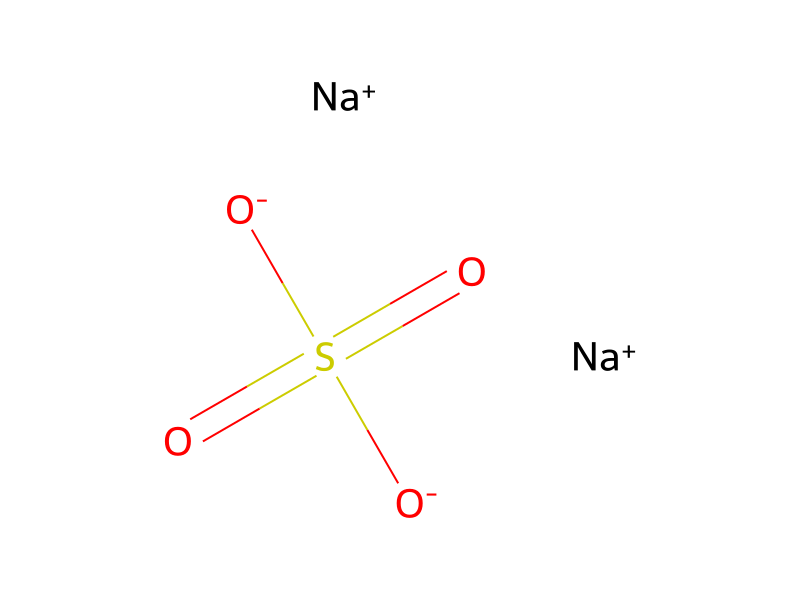
[CH2:1]([C:3]1[CH:8]=[CH:7][CH:6]=[CH:5][N:4]=1)C.S(=O)(=O)(O)[OH:10].S([O-])([O-])(=O)=O.[Na+].[Na+].[OH2:21]>>[N:4]1[CH:5]=[CH:6][CH:7]=[CH:8][C:3]=1[C:1]([OH:10])=[O:21]Participants




Procedure
The anolyte consisted of the following weight ratios of materials: 2-ethylpyridine (1.0), sulfuric acid (1.5), sodium sulfate (0.1), and water (3.5). The catholyte was 10 wt% sufluric acid. A flow cell as in Example 1 was used having a cation-exchange membrane and a PbO2 packed-bed anode. Charge was passed (6 F/mole) at 25 mA/cm2 current density. The anolyte was worked up as before and gave a 30% yield of picolinic acid and a 40% yield of 2-acetylpyridine. Passing more charge through the anolyte before work up increased the yield of acid significantly. A flow cell with an anion-exchange membrane could also be used where the catholyte was 10 wt% sodium hydroxide. Varying the weight parts of components in the anolyte changed the ratio of ketone to carboxylic acid as did switching from one membrane type to the other. Varying the total charge passed also increased or decreased the ketone yield thereby confirming the aspect of applicant's invention that such intermediates can be produced.
Workup
- additionCharge
Sources & evidence
- ORD record
- ord-3727e7ac5f7f41b5804b7934a052bf4c
- Source dataset
- uspto-grants-1984_11
- Patent number
- US04482439
Reaction notes
Loading…