Hydrochloric Acid → 3-(1,2-dicarboxyethyl)-3-(3-oxobutyl)-imidazo[1,2-a]pyridin-2(3H)-one
Reaction equation

Cl.[C:2]([CH:5]([CH:10]1[N:14]2[CH:15]=[CH:16][CH:17]=[CH:18][C:13]2=[N:12][C:11]1=[O:19])[CH2:6][C:7]([OH:9])=[O:8])([OH:4])=[O:3].[CH:20]([C:22]([CH3:24])=[O:23])=[CH2:21].CO>O>[C:2]([CH:5]([C:10]1([CH2:21][CH2:20][C:22](=[O:23])[CH3:24])[N:14]2[CH:15]=[CH:16][CH:17]=[CH:18][C:13]2=[N:12][C:11]1=[O:19])[CH2:6][C:7]([OH:9])=[O:8])([OH:4])=[O:3]Participants
6





Procedure
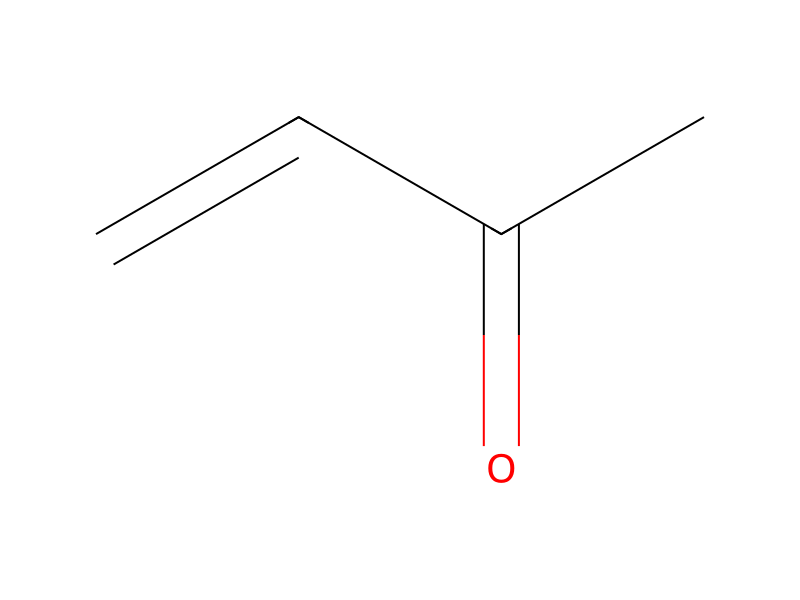
A mixture of 18.9 g (0.066 mole) of the hydrochloride of 3-(1,2-dicarboxyethyl)-imidazo[1,2-a]pyridin-2(3H)-one, 7 g (0.1 mole) of methyl vinyl ketone, 50 ml of methanol and 50 ml of water is stirred at room temperature for 36 hours. The product is then precipitated by the dropwise addition of approximately 15 ml of 4N aqueous sodium hydroxide solution. The precipitate is filtered with suction, washed with water, methanol and acetone and dried in vacuo at 50° C. 8 g (38% of the theoretical yield) of 3-(1,2-dicarboxyethyl)-3-(3-oxobutyl)-imidazo[1,2-a]pyridin-2(3H)-one having a melting point of 195° C. (decomposition) are obtained.
Workup
- customThe product is then precipitated by the dropwise addition of approximately 15 ml of 4N aqueous sodium hydroxide solution
- filtrationThe precipitate is filtered with suction
- washwashed with water, methanol and acetone
- customdried in vacuo at 50° C
Sources & evidence
- ORD record
- ord-3d1ea877d32141ec9a008ad2e6cc2424
- Source dataset
- uspto-grants-1985_04
- Patent number
- US04514415
Reaction notes
Loading…