1,2-Dichloroethane → HCID 57712917, compound
Reaction equation

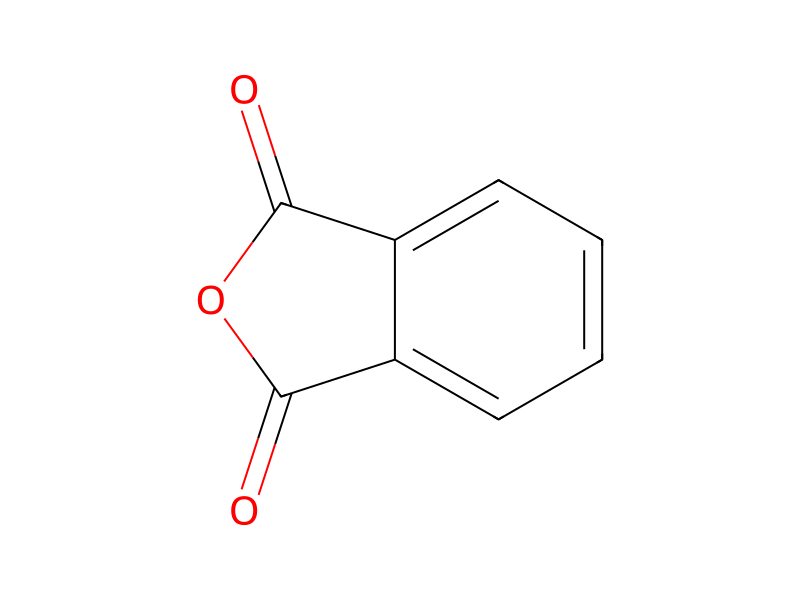
[C:1]1(=[O:11])[O:6][C:4](=[O:5])[C:3]2=[CH:7][CH:8]=[CH:9][CH:10]=[C:2]12.ClCCCl.[Cl-].[Al+3].[Cl-].[Cl-].[OH:20][C:21]1[CH:26]=[C:25]([OH:27])[CH:24]=[CH:23][C:22]=1[CH2:28][CH2:29][CH2:30][CH2:31][C:32]([O:34][CH3:35])=[O:33]>ClC(Cl)C.ClCCl>[OH:27][C:25]1[CH:26]=[C:21]([OH:20])[C:22]([CH2:28][CH2:29][CH2:30][CH2:31][C:32]([O:34][CH3:35])=[O:33])=[CH:23][C:24]=1[C:4]([C:3]1[CH:7]=[CH:8][CH:9]=[CH:10][C:2]=1[C:1]([OH:6])=[O:11])=[O:5]Participants






Procedure
A 2-liter round-bottomed flask was charged with 12.83 g (86.6 mmoles) of phthalic anhydride and a stir bar. Anhydrous 1,2-dichloroethane (190 ml) was added. The flask was flushed with argon, and a reflux condenser was added to the flask. A drying tube was added to the top of the condenser. The mixture was stirred for 30 minutes. (The solid did not dissolve completely.) Then 28.6 g (214.5 mmoles) of aluminum chloride was added (by momentarily removing the condenser). Most solids were dissolved; a greenish-yellow solution results. Stirring was continued for another 30 minutes while a solution of 18.5 g (82.5 mmoles) of methyl-5-(2,4-dihydroxyphenyl)-pentanoate (5a) in 130 ml of dichloroethane was made. This solution was poured into the flask, the headspace was flushed with argon, and the condenser was replaced. With good stirring, the solution in the flask was heated to a light reflux for 30 to 60 minutes. The solution in the flask became slightly warm and turned dark. HCl gas was evolved for about 10-20 minutes. Then the solution was cooled to room temperature. A tarry precipitate formed. The reaction was concentrated to a gum. To this material a mixture of ice (400 g) and concentrated HCl (200 ml) was added followed by 500 ml of ethyl acetate. The flask was capped with a septum and placed on an orbital shaker until all solid dissolved. The mixture was transferred to a 2-liter separatory funnel. The organic layer was separated, washed with 400 ml of 1 N HCl, 2×200 ml of saturated NaCl and dried over sodium sulfate. Concentration afforded an oil. To this material, 200 ml of dichloromethane was added. The resulting solution was sonicated for 30 minutes, and then cooled to −20° C. for 2 hours. The crystalline precipitate was filtered off, washed with 2:1 hexanes/dichloromethane, followed by 4:1 hexanes/dichloromethane and dried. Yield was 20.0 g (65%).
Workup
- customThe flask was flushed with argon, and a reflux condenser
- additionwas added to the flask
- additionA drying tube was added to the top of the condenser
- dissolution(The solid did not dissolve completely
- customby momentarily removing the condenser)
- dissolutionMost solids were dissolved
- customa greenish-yellow solution results
- stirringStirring
- additionThis solution was poured into the flask
- customthe headspace was flushed with argon
- temperatureWith good stirring, the solution in the flask was heated to a light
- temperaturereflux for 30 to 60 minutes
- temperatureThe solution in the flask became slightly warm
- waitHCl gas was evolved for about 10-20 minutes
- customA tarry precipitate formed
- concentrationThe reaction was concentrated to a gum
- additionTo this material a mixture of ice (400 g) and concentrated HCl (200 ml)
- additionwas added
- customThe flask was capped with a septum
- dissolutiondissolved
- customThe mixture was transferred to a 2-liter separatory funnel
- customThe organic layer was separated
- washwashed with 400 ml of 1 N HCl, 2×200 ml of saturated NaCl
- dry with materialdried over sodium sulfate
- concentrationConcentration
- customafforded an oil
- customThe resulting solution was sonicated for 30 minutes
- temperaturecooled to −20° C. for 2 hours
- filtrationThe crystalline precipitate was filtered off
- washwashed with 2:1 hexanes/dichloromethane
- customdried
Sources & evidence
- ORD record
- ord-2a177fec8d22453aa8aeca31c4d751db
- Source dataset
- uspto-grants-2009_06
- Patent number
- US07541454B2
Reaction notes
Loading…