Pyridine → HCID 57718441, compound
Reaction equation

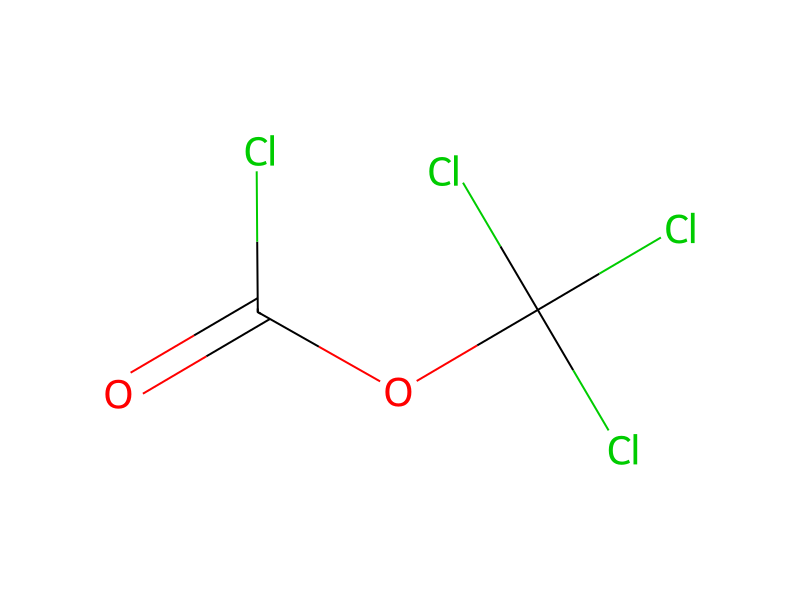
[CH3:1][C:2]1[C:7]([CH3:8])=[CH:6][CH:5]=[CH:4][C:3]=1[C@@H:9]([C:11]1[NH:12][CH:13]=[CH:14][N:15]=1)[CH3:10].N1[CH:21]=[CH:20][CH:19]=[CH:18]C=1.[O:22]=[C:23](Cl)[O:24]C(Cl)(Cl)Cl.C1(CO)CC1>C(#N)C>[CH3:1][C:2]1[C:7]([CH3:8])=[CH:6][CH:5]=[CH:4][C:3]=1[C@@H:9]([C:11]1[N:15]([C:23]([O:24][CH2:18][CH:19]2[CH2:21][CH2:20]2)=[O:22])[CH:14]=[CH:13][N:12]=1)[CH3:10]Participants
6
Reactant 4



Product 1

Reagents, catalysts & solvents 1

Procedure
To a mixture of the compound of Example 58 (100 mg, 0.5 mmol) and pyridine (90 μl, 1.1 mmol) in anhydrous acetonitrile (1 ml), at 0° C. and under nitrogen, was added diphosgene (33 μl, 0.28 mmol). The mixture was stirred at 0° C. for 30 min, before addition of cyclopropylmethanol (43 μl, 0.55 mmol). The reaction mixture was stirred at room temperature for 1 h and then filtered. The filtrate was purified by automated preparative liquid chromatography (Gilson system, 150 mm×22.4 mm LUNA C18(2) 5 μm column, 20 ml/min) using an acetonitrile:water gradient [15:85 (3 min) to 98:2 (16 min)]. The appropriate fractions were combined and concentrated to give the title compound (30 mg).
Workup
- filtrationfiltered
- customThe filtrate was purified
- customwater gradient [15:85 (3 min) to 98:2 (16 min)]
- concentrationconcentrated
Sources & evidence
- ORD record
- ord-3b687fe1518046e8a297d645e21ac3f5
- Source dataset
- uspto-grants-2009_06
- Patent number
- US07547718B2
Reaction notes
Loading…