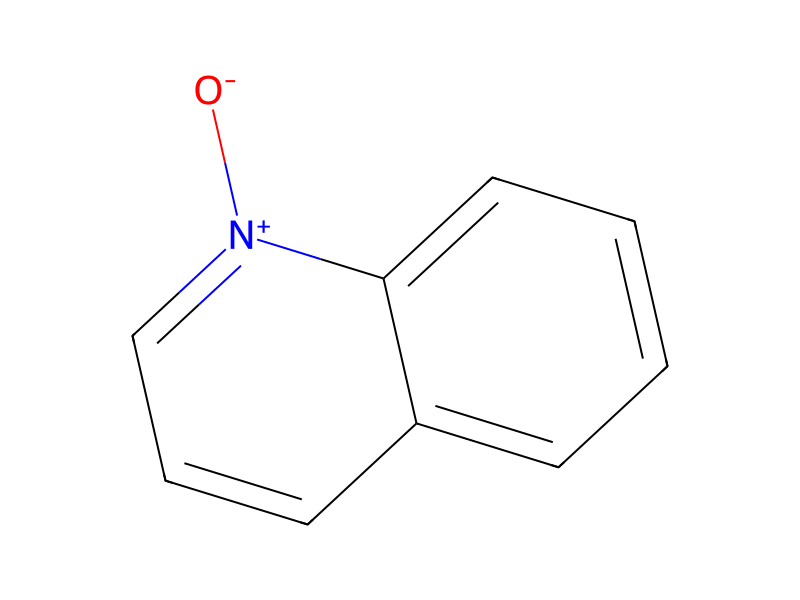
Quinoline 1-oxide → HCID 178505013, compound
Reaction equation

[O:1]=[C:2]1[NH:6][N:5]=[C:4]([CH2:7][C:8]2[CH:13]=[CH:12][C:11]([NH:14][S:15]([CH3:18])(=[O:17])=[O:16])=[CH:10][CH:9]=2)[CH2:3]1.[N+:19]1([O-])[C:28]2[C:23](=[CH:24][CH:25]=[CH:26][CH:27]=2)[CH:22]=[CH:21][CH:20]=1.CS(NC1C=CC(CC(O)=O)=CC=1)(=O)=O.CC1(C)OC(=O)CC(=O)O1>C(OC(=O)C)(=O)C>[O:1]=[C:2]1[NH:6][N:5]=[C:4]([CH2:7][C:8]2[CH:9]=[CH:10][C:11]([NH:14][S:15]([CH3:18])(=[O:17])=[O:16])=[CH:12][CH:13]=2)/[C:3]/1=[C:20]1/[NH:19][C:28]2[C:23]([CH:22]=[CH:21]/1)=[CH:24][CH:25]=[CH:26][CH:27]=2Participants
6



Procedure
The tile compound was synthesized using N-(4-((5-oxo-4,5-dihydro-1H-pyrazol-3-yl)methyl)phenyl)methanesulfonamide and quinoline N-oxide in acetic anhydride according to the procedure described in Example 23. The N-(4-((5-oxo-4,5-dihydro-1H-pyrazol-3-yl)methyl)phenyl)methanesulfonamide was synthesized using 2-(4-(methylsulfonamido)phenyl)acetic acid and Meldrum's acid. 1H NMR (400 MHz, DMSO-d6) δ ppm 2.91 (s, 3H) 4.08 (s, 1H) 4.43 (s, 1H) 7.10 (d, J=3.79 Hz, 2H) 7.24-7.37 (m, 2H) 7.46 (d, J=6.06 Hz, 1H) 7.67-7.77 (m, 2H) 7.82-7.94 (m, 2H) 8.17-8.29 (m, 1H) 9.60 (s, 1H) 11.40 (s, 1H); ESI-MS: m/z calc'd for C20H18N4O3S 394.45. found 395.3 (M+H)+.
Workup
- customThe tile compound was synthesized
Sources & evidence
- ORD record
- ord-6cbacbf74d0b4a50b98d941de77c96fa
- Source dataset
- uspto-grants-2009_06
- Patent number
- US07550598B2
Reaction notes
Loading…