Ethanol → HCID 135511823, compound
Reaction equation

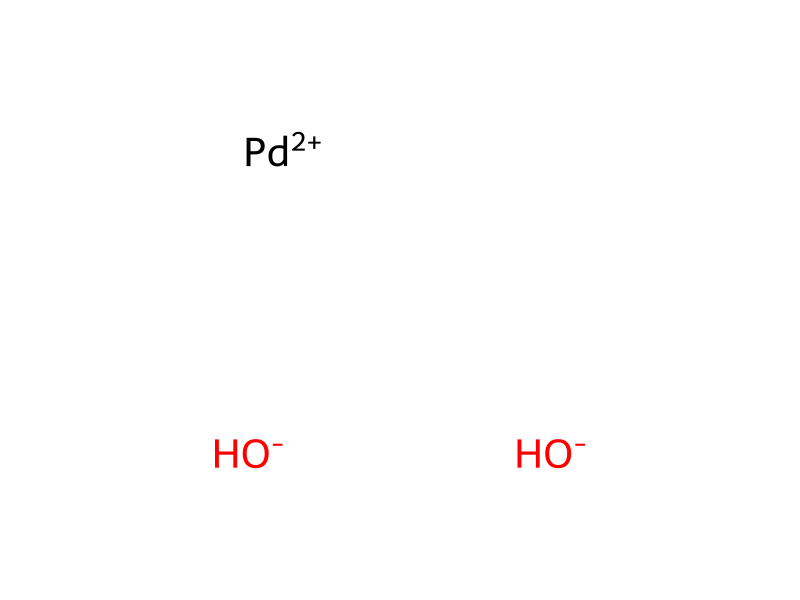
[NH:1]1[C:9](=[O:10])[C:8]2[NH:7][CH:6]=[N:5][C:4]=2[N:3]=[CH:2]1.[CH2:11]([OH:13])[CH3:12]>N.[OH-].[OH-].[Pd+2]>[OH:13][C@@H:11]1[C@@H:8]([CH2:9][OH:10])[CH2:4][N:3]([N:5]2[CH:6]=[N:7][C:8]3[C:9](=[O:10])[NH:1][CH:2]=[N:3][C:4]2=3)[CH2:12]1Participants
Reactant 2


Product 1

Reagents, catalysts & solvents 2

Procedure
tert-Butyl nitrite (3.5 mL, 30 mmol, 4 eq.) was added to a solution of the free base of 3 (2.25 g, 7.5 mmol) in dry THF (30 mL) and the reaction mixture was stirred at ambient temperature for 3 days. The solution was concentrated to dryness. Chromatography gave the N-nitroso compound 42 as a colorless syrup (2.05 g, 83%). A solution of 42 (1.0 g, 3.1 mmol) in dry THF (20 mL) was cooled to 0° C. under argon atmosphere and lithium aluminum hydride (1 g, 26.3 mmol) was added slowly. The mixture was stirred at room temperature for 6 h, then quenched carefully with a 15% solution of NaOH (25 mL) followed by water (10 mL). The mixture was extracted twice with chloroform, washed with aq NaHCO3 and dried and concentrated to dryness. Chromatography (chloroform:ethyl acetate:methanol, 5:2:1) afforded hydrazine 43 (0.41 g, 43%) as a syrup. Formimidate 44 (Watson, A. A. J. Org. Chem. 1974, 39, 2911-2916) (0.224 g, 1.44 mmol, 1.2 eq.) was added to a solution of 43 (0.375 g, 1.2 mmol) in ethanol (1.5 mL) and the reaction mixture was heated under reflux for 10 min, then allowed to cool. The solution was concentrated to dryness. Chromatography (chloroform:ethyl acetate:methanol, 5:2:1) gave the imidazole 45 as a light brown gum (0.155 g, 31%). A solution of 45 (77 mg, 0.183 mmol) in dry MeOH (1 mL) was treated with 5 M aq HCl (36.5 μL, 0.183 mmol). The solvent was removed to leave the hydrochloride salt as a brown gum. DMF (1.5 mL) was added followed by triethyl orthoformate (0.304 mL, 1.83 mmol, 10 eq.) and the reaction mixture was heated at 120° C. for 30 min. After cooling the solvent was removed in vacuo. The residue was purified by column chromatography on silica gel (chloroform:ethyl acetate:methanol, 5:2:0.5) to afford the hypoxanthine 46 (49 mg, 62%) as a gum. Palladium hydroxide on carbon (20 mg, 20% Pd) was added to a solution of 46 (41 mg, 0.095 mmol) in ethanol (3 mL) and 25% aqueous ammonia (1 mL). The reaction mixture was stirred under hydrogen at ambient temperature and pressure for 3 h. Then the catalyst was filtered off and washed with ethanol (1.5 mL). The solution was concentrated to dryness and chromatography of the residue (dichloromethane:methanol:aq. ammonia, 7:2:0.5) furnished the title compound 47 (21 mg, 88%) as a white solid. 1H NMR (CD3OD) δ 8.17 (s, 1H), 8.07 (s, 1H), 4.26 (m, 1H), 3.85-3.64 (m, 4H), 3.48-3.43 (m, 2H), 2.49-2.41 (m, 1H); 13C NMR δ 159.3 (C), 149.7 (C), 146.7 (CH), 142.3 (CH), 124.7 (C), 72.7 (CH), 63.7, 63.6, 58.4 (CH2), 50.2 (CH). M/Z calculated for C10H13N5O3 (MH+): 252.109. Found: 252.108.
Workup
- filtrationThen the catalyst was filtered off
- washwashed with ethanol (1.5 mL)
- concentrationThe solution was concentrated to dryness and chromatography of the residue (dichloromethane:methanol:aq. ammonia, 7:2:0.5)
Sources & evidence
- ORD record
- ord-2960c4a6c19d44918ee8fb0044a8a54b
- Source dataset
- uspto-grants-2009_06
- Patent number
- US07553839B2
Reaction notes
Loading…