Ethyl orthoformate → 1,3-Benzoxazole-4-carboxylic acid
Reaction equation

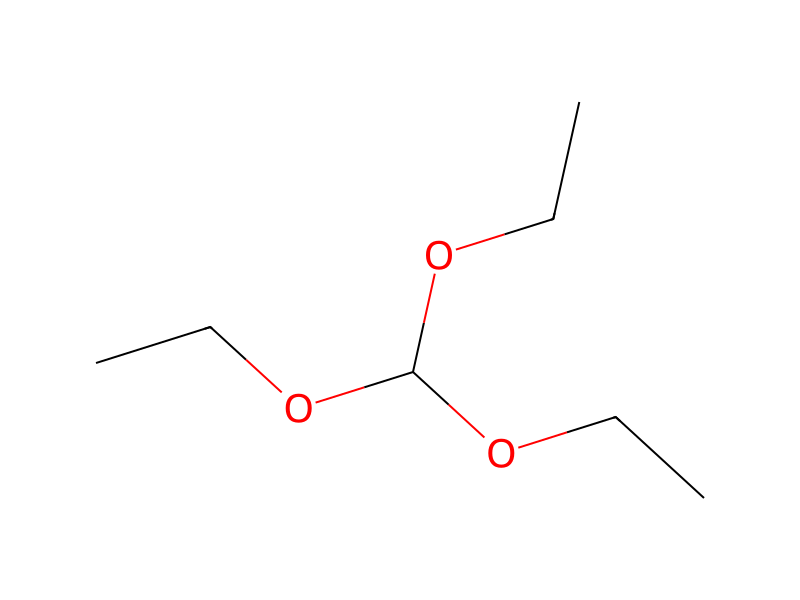
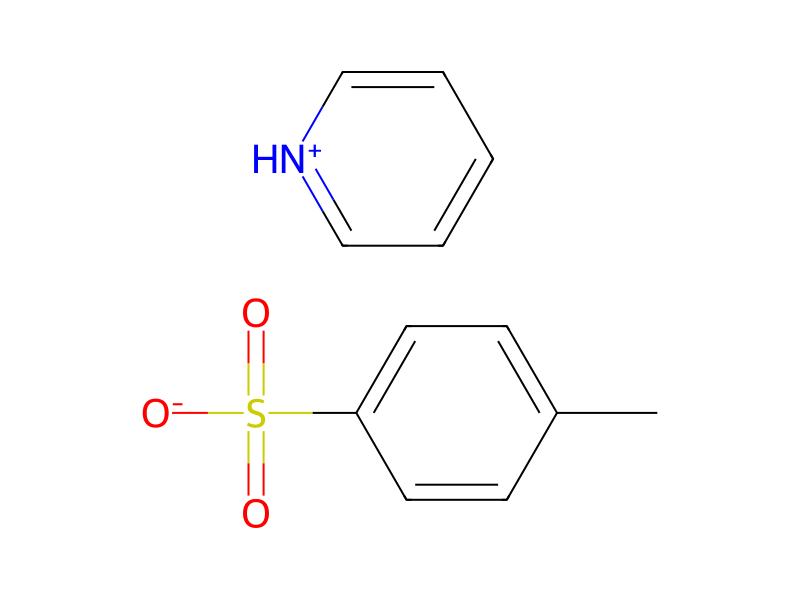
Br.[NH2:2][C:3]1[C:11]([OH:12])=[CH:10][CH:9]=[CH:8][C:4]=1[C:5]([OH:7])=[O:6].[CH:13](OCC)(OCC)OCC.C1(C)C=CC(S([O-])(=O)=O)=CC=1.[NH+]1C=CC=CC=1>>[O:12]1[C:11]2=[CH:10][CH:9]=[CH:8][C:4]([C:5]([OH:7])=[O:6])=[C:3]2[N:2]=[CH:13]1Participants
4


Procedure
A mixture of 2-amino-3-hydroxybenzoic acid hydrobromide (300 mg, 1.28 mmol), triethyl orthoformate (0.85 mL, 5.1 mmol), pyridinium p-toluenesulfonate (64 mg, 0.26 mmol) and xylenes (15 mL) was refluxed for 4 h. The reaction mixture was cooled to room temperature and concentrated under reduced pressure to afford the benzoxazole-4-carboxylic acid (210 mg, quantitative) as a light yellow solid: 1H NMR (300 MHz, DMSO-d6) δ 13.12 (s, 1H), 8.86 (s, 1H), 8.03 (dd, J=8.1, 0.9 Hz, 1H), 7.92 (dd, J=8.1, 0.9 Hz, 1H), 7.54 (t, J=8.1 Hz, 1H); MS (ESI+) m/z 164 (M+H).
Workup
- temperaturewas refluxed for 4 h
- concentrationconcentrated under reduced pressure
Sources & evidence
- ORD record
- ord-17fabf337a1749818dd3c28a1146078f
- Source dataset
- uspto-grants-2009_06
- Patent number
- US07553846B2
Reaction notes
Loading…