Piperidine → HCID 45089600, compound
Reaction equation

[NH2:1][C:2]1[CH:9]=[C:8]([NH2:10])[CH:7]=[CH:6][C:3]=1[CH:4]=O.C[CH2:12][C:13](=O)[C:14]([O-:16])=[O:15].N1CCCC[CH2:19]1>CO>[CH3:19][O:16][C:14]([C:13]1[CH:12]=[CH:4][C:3]2[C:2](=[CH:9][C:8]([NH2:10])=[CH:7][CH:6]=2)[N:1]=1)=[O:15]Participants
Reactant 3

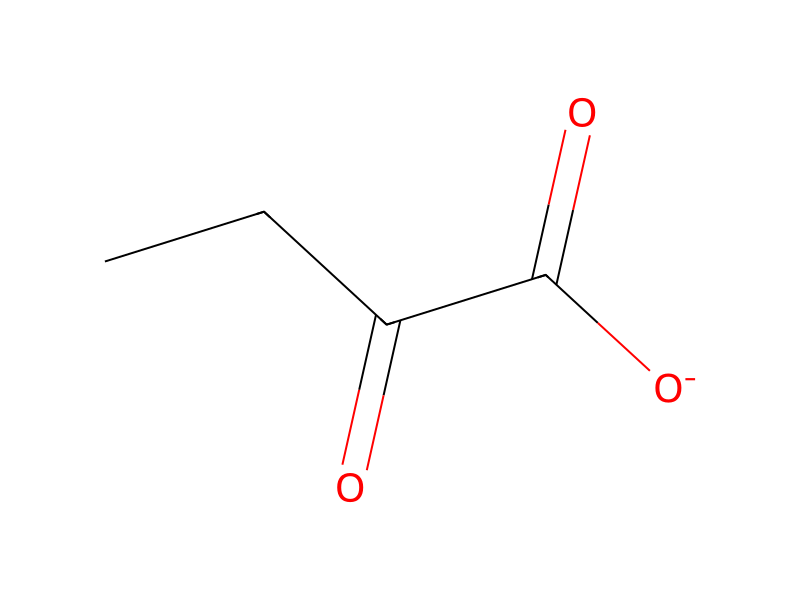

Product 1

Reagents, catalysts & solvents 1

Procedure
For example, 2,4-diaminobenzaldehyde 24.7 (Apin Chemicals) is reacted with one molar equivalent of methylpyruvate 24.2 in methanol, in the presence if a base such as piperidine, to afford methyl-7-aminoquinoline-2-carboxylate 24.8. Basic hydrolysis of the product, employing one molar equivalent of lithium hydroxide in aqueous methanol, then yields the carboxylic acid 24.9. The amino-substituted carboxylic acid is then converted into the diazonium tetrafluoborate 24.10 by reaction with sodium nitrite and tetrafluoboric acid. The diazonium salt is heated in aqueous solution to afford the 7-hydroxyquinoline-2-carboxylic acid, 24.11, Z=OH. Alternatively, the diazonium tetrafluoborate is heated in aqueous organic solution with one molar equivalent of cuprous bromide and lithium bromide, to afford 7-bromoquinoline-2-carboxylic acid 24.11, X=Br. Alternatively, the diazonium tetrafluoborate 24.10 is reacted in acetonitrile solution with the sulfhydryl form of an ion exchange resin, as described in Sulfur Lett., 2000, 24, 123, to prepare 7-mercaptoquinoline-2-carboxylic acid 24.11, Z=SH.
Sources & evidence
- ORD record
- ord-202c333aaf43430dae1764c93259d755
- Source dataset
- uspto-grants-2010_01
- Patent number
- US07649015B2
Reaction notes
Loading…