2,3-Dichloro-5,6-dicyano-1,4-benzoquinone → 1H-Pyrrolo[2,3-B]pyridine-5-carboxaldehyde, 1-[(1,1-dimethylethyl)dimethylsilyl]-
Reaction equation

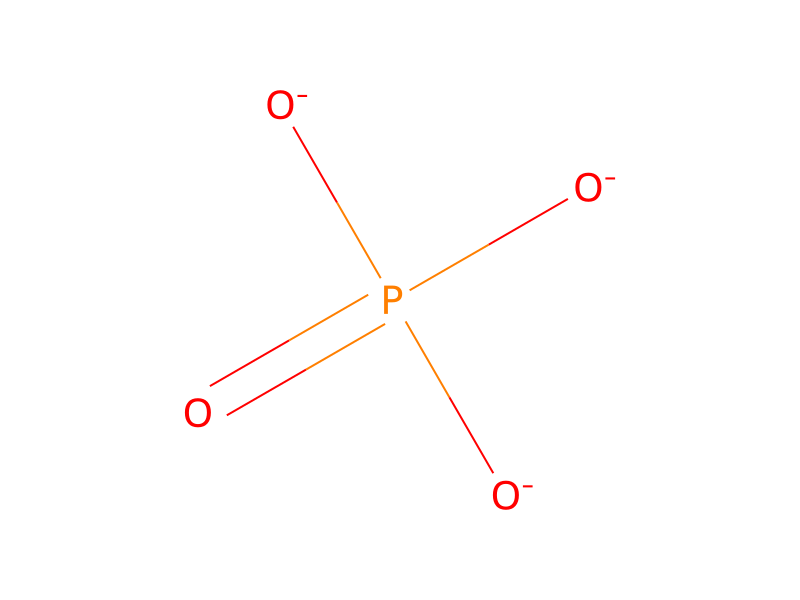
[C:1]([Si:5]([CH3:18])([CH3:17])[N:6]1[C:10]2=[N:11][CH:12]=[C:13]([CH:15]=[O:16])[CH:14]=[C:9]2[CH2:8][CH2:7]1)([CH3:4])([CH3:3])[CH3:2].C(C1C(=O)C(Cl)=C(Cl)C(=O)C=1C#N)#N>C(Cl)Cl.P([O-])([O-])([O-])=O>[C:1]([Si:5]([CH3:18])([CH3:17])[N:6]1[C:10]2=[N:11][CH:12]=[C:13]([CH:15]=[O:16])[CH:14]=[C:9]2[CH:8]=[CH:7]1)([CH3:4])([CH3:3])[CH3:2]Participants
Reactant 2


Product 1

Reagents, catalysts & solvents 2

Procedure
To a stirred solution of the alcohol 13 (54 mg, 0.20 mmol) in a mixture of CH2Cl2 (15 mL) and 0.2 M pH 7 phosphate buffer (0.15 mL) was added DDQ (53 mg, 0.23 mmol) in three equal portions. When TLC analysis showed complete consumption of the starting material, the mixture was diluted with saturated aqueous NaHCO3 (16 mL) and stirred vigorously for 1 h. The mixture was then extracted with AcOEt (2×). The combined organic solutions were washed with saturated brine (1×), dried (MgSO4) and concentrated. The residue was purified by PTLC with benzene as eluent to afford aldehyde 16 (11 mg, 21%). 1H NMR (400 MHz; CDCl3) δ 0.66 (s, 6H), 0.94 (s, 9H), 6.67 (d, J=3.5 Hz, 1H), 7.34 (d, J=3.5 Hz, 1H), 8.37 (d, J=2.0 Hz, 1H), 8.76 (d, J=2.0 Hz, 1H), 10.11 (s, 1H).
Workup
- customconsumption of the starting material
- additionthe mixture was diluted with saturated aqueous NaHCO3 (16 mL)
- extractionThe mixture was then extracted with AcOEt (2×)
- washThe combined organic solutions were washed with saturated brine (1×)
- dry with materialdried (MgSO4)
- concentrationconcentrated
- customThe residue was purified by PTLC with benzene as eluent
Sources & evidence
- ORD record
- ord-7c47729854e84166a95217da17562829
- Source dataset
- uspto-grants-2010_01
- Patent number
- US07652137B2
Reaction notes
Loading…