Hexamethylene diisocyanate → HCID 20488677, compound
Reaction equation

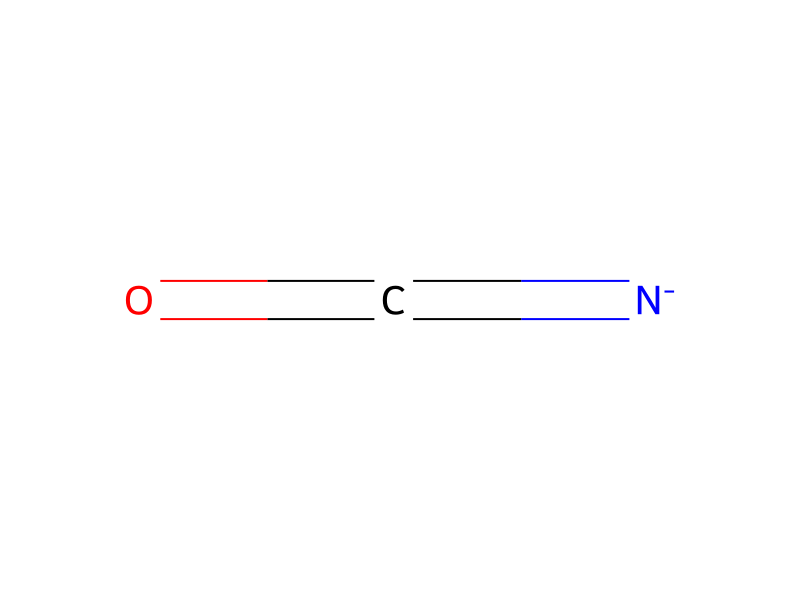
[CH2:1]([N:10]=[C:11]=[O:12])[CH2:2][CH2:3][CH2:4][CH2:5][CH2:6][N:7]=[C:8]=[O:9].[CH3:13][N:14]1[CH2:19][CH2:18][CH2:17][NH:16][CH2:15]1.[N-:20]=[C:21]=O>C(OCC)(=O)C>[CH2:1]([NH:10][C:11]([N:7]1[CH2:6][CH2:5][CH2:4][N:20]([CH3:21])[CH2:8]1)=[O:12])[CH2:2][CH2:3][CH2:4][CH2:5][CH2:6][NH:7][C:8]([N:16]1[CH2:17][CH2:18][CH2:19][N:14]([CH3:13])[CH2:15]1)=[O:9]Participants
5
Reactant 3


Product 1

Reagents, catalysts & solvents 1

Procedure
168 g of hexamethylenediisocyanate in 150 ml of ethyl acetate are slowly added to a mixture of 224 g of N-methylhexahydropyrimidine and 150 ml of ethyl acetate cooled to temperatures of from 15° to 20° C. Stirring is continued at room temperature after all the diisocyanate has been added until the isocyanate band in the IR spectrum has disappeared (after about 2 hours). The solvent is removed on a thin layer evaporator at 110° C. under a vacuum produced by a water jet pump. The viscous product preferentially consists of the following bis-hexahydropyrimidine derivative: ##STR18##
Workup
- temperaturecooled to temperatures of from 15° to 20° C
- customis continued at room temperature
- custom(after about 2 hours)
- customThe solvent is removed on a thin layer evaporator at 110° C. under a vacuum
- customproduced by a water jet pump
Sources & evidence
- ORD record
- ord-3c01103a895b463b9f8435b903c4df1e
- Source dataset
- uspto-grants-1983_09
- Patent number
- US04404379
Reaction notes
Loading…