3-Hydroxypyridine → 4-(Pyridine-3-yloxy)-2-methoxybenzaldehyde
Reaction equation

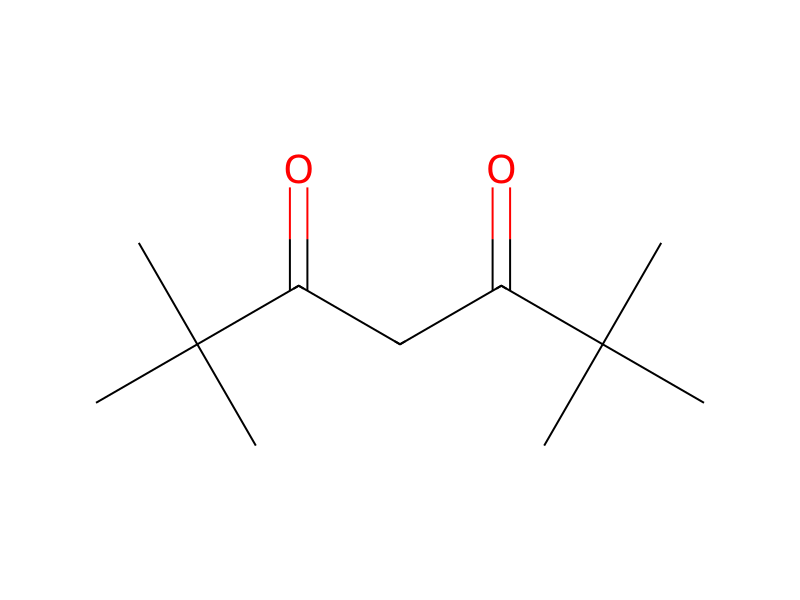
Br[C:2]1[CH:9]=[CH:8][C:5]([CH:6]=[O:7])=[C:4]([O:10][CH3:11])[CH:3]=1.C(=O)([O-])[O-].[Cs+].[Cs+].[OH:18][C:19]1[CH:20]=[N:21][CH:22]=[CH:23][CH:24]=1.CC(C)(C(=O)CC(=O)C(C)(C)C)C>CN1C(=O)CCC1.CCOC(C)=O.O>[N:21]1[CH:22]=[CH:23][CH:24]=[C:19]([O:18][C:2]2[CH:9]=[CH:8][C:5]([CH:6]=[O:7])=[C:4]([O:10][CH3:11])[CH:3]=2)[CH:20]=1Participants
8
Reactant 4



Product 1

Reagents, catalysts & solvents 3



Procedure
4-Bromo-2-methoxybenzaldehyde (1.00 g, 4.65 mmol), cesium carbonate (3.03 g, 9.30 mmol), 3-hydroxypyridine (0.884 g, 9.30 mmol), cuprous chloride (0.230 g, 2.325 mmol), 2,2,6,6-tetramethyl-3,5-heptanedione (0.214 g, 1.163 mmol) in NMP (11.6 mL) in a sealed microwave vial was heated to 120° C. overnight in an oil bath. The reaction vessel was allowed to cool before water was added to dilute the mixture; EtOAc was then added to extract the product. The organic phase was separated and washed with water (2×) and brine (1×) before being dried with Na2SO4 and evaporated to afford an oil. This material was chromatographed on silica 0-80% EtOAc in hexanes to yield 4-(pyridine-3-yloxy)-2-methoxybenzaldehyde (0.665 g) as a solid.
Workup
- additionwas added
- additionto dilute the mixture
- extractionto extract the product
- customThe organic phase was separated
- washwashed with water (2×) and brine (1×)
- dry with materialbefore being dried with Na2SO4
- customevaporated
- customto afford an oil
- customThis material was chromatographed on silica 0-80% EtOAc in hexanes
Sources & evidence
- ORD record
- ord-044ee8632a674dbfbc8940fd7bd54507
- Source dataset
- uspto-grants-2013_11
- Patent number
- US08575150B2
Reaction notes
Loading…