Pyridine → HCID 86675960, compound
Reaction equation

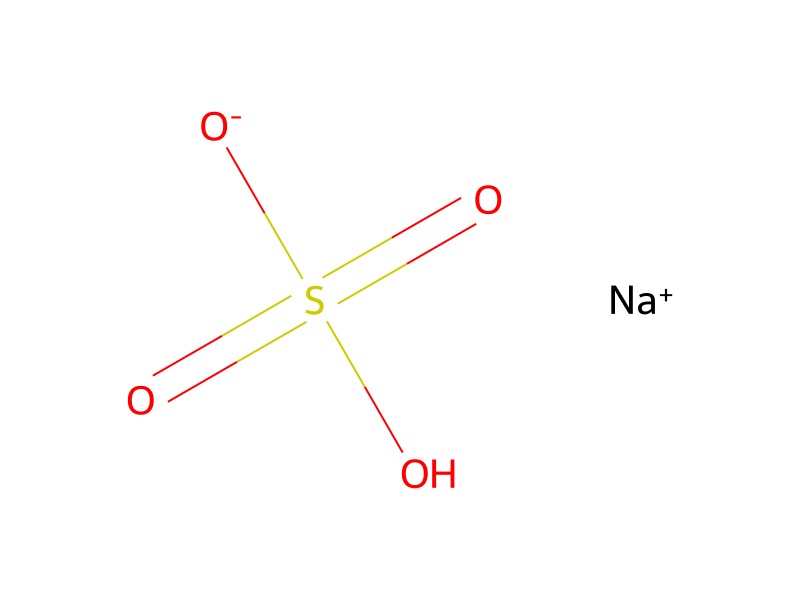
N1C=CC=CC=1.[Cl:7][C:8]1[C:13]([NH2:14])=[CH:12][CH:11]=[C:10]([Cl:15])[N:9]=1.[CH3:16][O:17][C:18]1[C:26]([CH3:27])=[CH:25][C:21]([C:22](Cl)=[O:23])=[CH:20][C:19]=1[CH3:28].S(=O)(=O)(O)[O-].[Na+]>ClCCl>[Cl:7][C:8]1[C:13]([NH:14][C:22](=[O:23])[C:21]2[CH:25]=[C:26]([CH3:27])[C:18]([O:17][CH3:16])=[C:19]([CH3:28])[CH:20]=2)=[CH:12][CH:11]=[C:10]([Cl:15])[N:9]=1Participants
Reactant 4



Product 1

Reagents, catalysts & solvents 1

Conditions
- Temperature
- 0 °C
Procedure
With ice cooling, a solution of 2.7 ml of absolute pyridine in 5 ml of dry dichloromethane was initially added dropwise to a solution of 5.00 g of 2,6-dichloropyridin-3-ylamine in 50 ml of dry dichloromethane. 6.70 g of 4-methoxy-3,5-dimethylbenzoyl chloride, dissolved in 15 ml of dry dichloromethane, were then added, and the reaction was stirred at 0° C. for 1 h and then at room temperature for 16 h. 10% strength aqueous sodium bisulfate solution was then added, and the mixture was stirred for 15 minutes. The phases were then separated, and the aqueous phase was extracted twice with dichloromethane. The collected organic phases were dried over sodium sulfate, filtered and concentrated under reduced pressure. This gave 10.00 g (100%) of the product, which was used for the next step without any further purification.
Workup
- additionwere then added
- waitat room temperature for 16 h
- stirringthe mixture was stirred for 15 minutes
- customThe phases were then separated
- extractionthe aqueous phase was extracted twice with dichloromethane
- dry with materialThe collected organic phases were dried over sodium sulfate
- filtrationfiltered
- concentrationconcentrated under reduced pressure
- customThis gave 10.00 g (100%) of the product, which was used for the next step without any further purification
Sources & evidence
- ORD record
- ord-322da7ead7764df2b7c10c82cd58ac08
- Source dataset
- uspto-grants-2013_11
- Patent number
- US08580816B2
Reaction notes
Loading…