Ethylene Glycol → Lactic Acid
Reaction equation

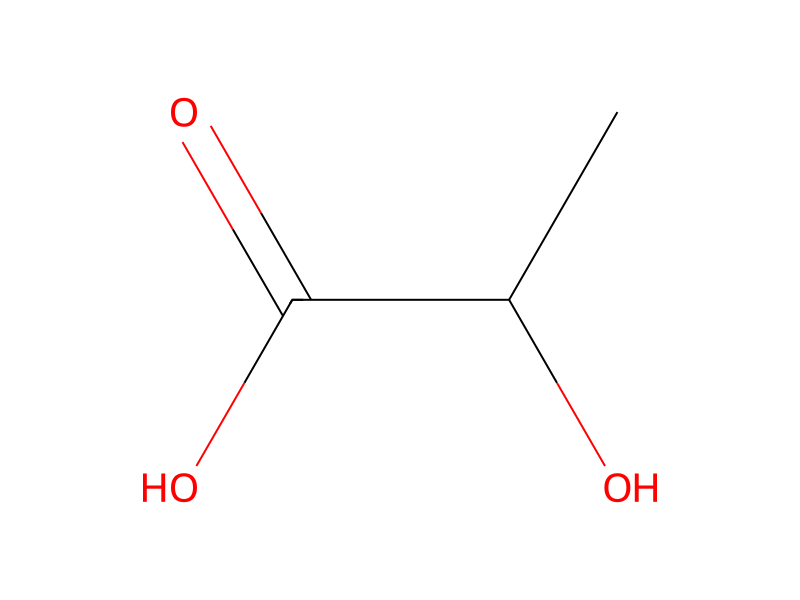
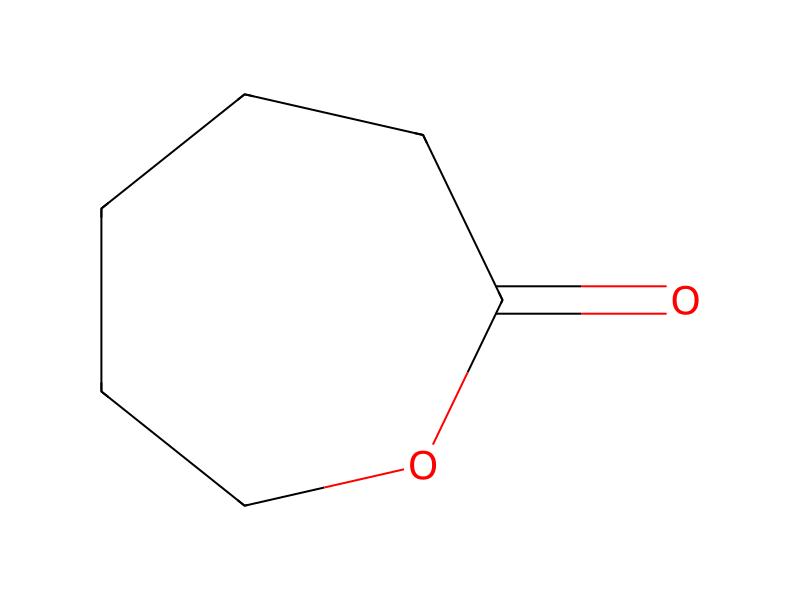
C(O)C[OH:3].[CH3:5][CH2:6][CH2:7][CH2:8][CH:9]([C:12]([O-:14])=[O:13])CC.CCC[CH2:18][CH:19]([C:22]([O-:24])=[O:23])CC.[Sn+2].C(Cl)Cl>C(OCC)C>[C:12]1(=[O:14])[O:13][CH2:5][CH2:6][CH2:7][CH2:8][CH2:9]1.[C:22]([OH:24])(=[O:23])[CH:19]([CH3:18])[OH:3]Participants
Reactant 3



Product 2
Reagents, catalysts & solvents 1

Procedure
4 g of poly(ethylene glycol) methyl ether (PEG 2,000, Mn=2,000) and 0.02 g of stannous octoate, which is a catalyst, were put into a reactor, and were then dried in a vacuum at a temperature of 110° C. for 4 hours in order to remove moisture therefrom. Subsequently, the dried reactants were cooled, and then 4.97 g of ε-caprolactone (4.61 ml), which is a biodegradable polyester polymer compound, was added to the dried reactant in a nitrogen atmosphere and then dried in a vacuum at a temperature of 65° C. for 1 hour. Thereafter, the dried reactants were cooled to room temperature, and then 1.43 g of D,L-lactide was added to the dried reactants and then cooled in a vacuum at a temperature of 85° C. for 1 hour to form a reaction mixture. Then, the reaction mixture was slowly heated to a temperature of 135° C. in a nitrogen atmosphere and then polymerized for 24 hours to form a reaction product. After the polymerization reaction, the reaction product was cooled to room temperature, and was then dissolved by adding a small amount of methylene chloride thereto. The dissolved reaction product was added to excess ethyl ether and then precipitated to remove unreacted materials therefrom. Then, the reaction product, from which unreacted material was removed, was dried in a vacuum at a temperature of 40° C. for 48 hours, thereby obtaining a triblock copolymer (PCLA-PEG-PCLA) of the formed poly(ethylene glycol) and biodegradable polyester polymer compound, ε-caprolactone and lactic acid. The yield of the triblock copolymer thus obtained was 91%.
Workup
- customwere put into a reactor
- customwere then dried in a vacuum at a temperature of 110° C. for 4 hours in order
- customto remove moisture
- temperatureSubsequently, the dried reactants were cooled
- additionwas added to the dried reactant in a nitrogen atmosphere
- customdried in a vacuum at a temperature of 65° C. for 1 hour
- addition1.43 g of D,L-lactide was added to the dried reactants
- temperaturecooled in a vacuum at a temperature of 85° C. for 1 hour
- customto form a reaction mixture
- temperatureThen, the reaction mixture was slowly heated to a temperature of 135° C. in a nitrogen atmosphere
- custompolymerized for 24 hours
- customto form a reaction product
- customAfter the polymerization reaction
- temperaturethe reaction product was cooled to room temperature
- dissolutionwas then dissolved
- customThe dissolved reaction product
- customprecipitated
- customto remove unreacted materials
- customThen, the reaction product, from which unreacted material was removed
- customwas dried in a vacuum at a temperature of 40° C. for 48 hours
Sources & evidence
- ORD record
- ord-92ea254f08a8423c9d804ce38f2b7ecd
- Source dataset
- uspto-grants-2013_11
- Patent number
- US08586087B2
Reaction notes
Loading…