Benzyl Alcohol → Benzyl oxolan-3-ylcarbamate
Reaction equation

[O:1]1[CH2:5][CH2:4][CH:3](C(O)=O)[CH2:2]1.C1(P(N=[N+]=[N-])(C2C=CC=CC=2)=[O:16])C=CC=CC=1.[CH2:26]([OH:33])[C:27]1[CH:32]=[CH:31][CH:30]=[CH:29][CH:28]=1.C([N:36]([CH2:39]C)CC)C>O1CCOCC1>[CH2:26]([O:33][C:39]([NH:36][CH:3]1[CH2:4][CH2:5][O:1][CH2:2]1)=[O:16])[C:27]1[CH:32]=[CH:31][CH:30]=[CH:29][CH:28]=1Participants
Reactant 4



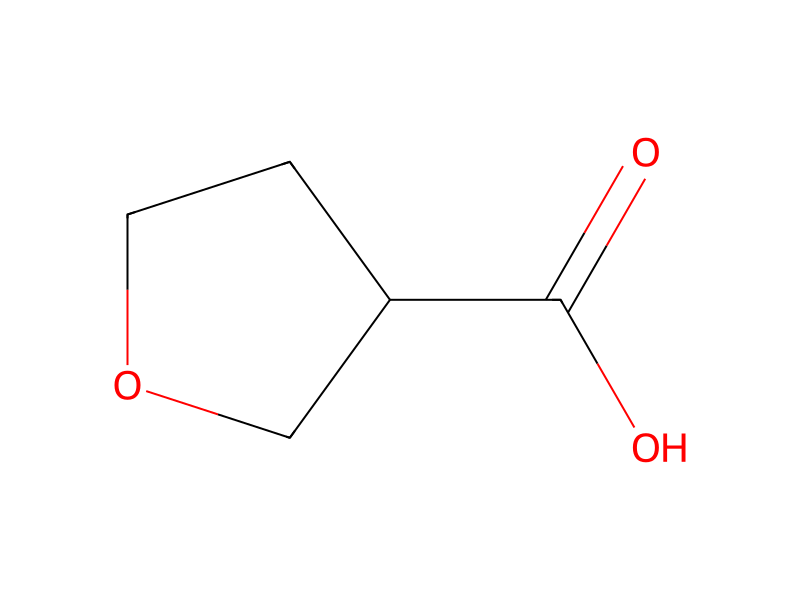
Product 1

Reagents, catalysts & solvents 1

Conditions
- Temperature
- 100 °C
Procedure
12.36 ml of tetrahydrofuran-3-carboxylic acid and 27.84 ml of diphenylphosphorylazide in 500 ml of dioxane are combined with 41.91 g of benzyl alcohol and 35.81 ml of triethylamine. The reaction mixture is heated to 100° C. for about seven hours. After cooling to ambient temperature, the reaction mixture is evaporated down using the rotary evaporator. The residue is taken up in 500 ml of methylene chloride and washed twice with 100 ml of 1 N sodium hydroxide solution. The organic phase is dried over magnesium sulfate and evaporated down. The crude product is purified by chromatography over a silica gel column with cyclohexane/ethyl acetate (3:1 to 1:2) as eluant. Yield: 15.60 g (55% of theory); mass spectrum (ESI−): m/z=220 [M−H]−; Rf value: 0.78 (silica gel, methylene chloride/methanol=9:1).
Workup
- temperatureAfter cooling to ambient temperature
- customthe reaction mixture is evaporated down
- customthe rotary evaporator
- washwashed twice with 100 ml of 1 N sodium hydroxide solution
- dry with materialThe organic phase is dried over magnesium sulfate
- customevaporated down
- customThe crude product is purified by chromatography over a silica gel column with cyclohexane/ethyl acetate (3:1 to 1:2) as eluant
Sources & evidence
- ORD record
- ord-aa0c41d6e8cf434184a9d8e77e5502b0
- Source dataset
- uspto-grants-2013_11
- Patent number
- US08586608B2
Reaction notes
Loading…