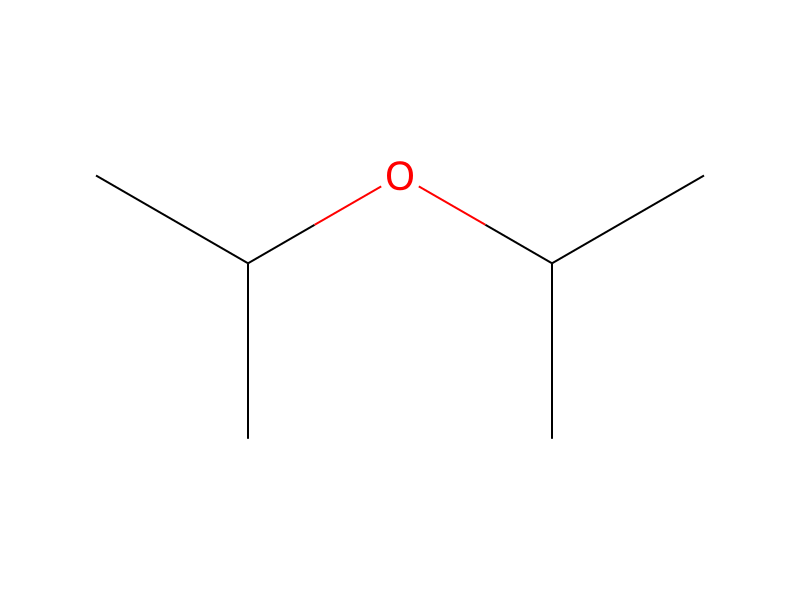
Diisopropyl Ether → HCID 86658021, compound
Reaction equation

C(OC(C)C)(C)C.[F:8][C:9]([F:25])([F:24])[C:10]([C:16]1[CH:21]=[CH:20][C:19]([OH:22])=[CH:18][C:17]=1[OH:23])([OH:15])[C:11]([F:14])([F:13])[F:12].[H][H]>[Ru].O>[F:8][C:9]([F:24])([F:25])[C:10]([CH:16]1[CH2:21][CH2:20][CH:19]([OH:22])[CH2:18][CH:17]1[OH:23])([OH:15])[C:11]([F:12])([F:14])[F:13]Participants
6





Procedure
A pressure-resistant reactor with 2,000 ml of inner capacity, having a stirrer and a thermometer and formed of SUS316, was charged with 800 ml of diisopropyl ether, 350 g (1.27 mol) of Compound 6 and 17.5 g of 5% Ru/C (a product containing 50% of water, produced by N.E. CHEMCAT), and then closed. Thereafter, stirring was started and then the interior of the reactor was substituted with hydrogen, followed by setting hydrogen pressure at 3.0 MPa. The temperature of the reactor was increased and stirring was continued at 130° C. for 20 hours.
Workup
- customA pressure-resistant reactor with 2,000 ml of inner capacity, having
- customa stirrer and a thermometer and formed of SUS316
- customproduced by N.E
- customCHEMCAT), and then closed
- temperatureThe temperature of the reactor was increased
- stirringstirring
Sources & evidence
- ORD record
- ord-ddd2bda1c0a94fae969c6dbc1d656b03
- Source dataset
- uspto-grants-2013_11
- Patent number
- US08592508B2
Reaction notes
Loading…