Morpholine → HCID 66587793, compound
Reaction equation

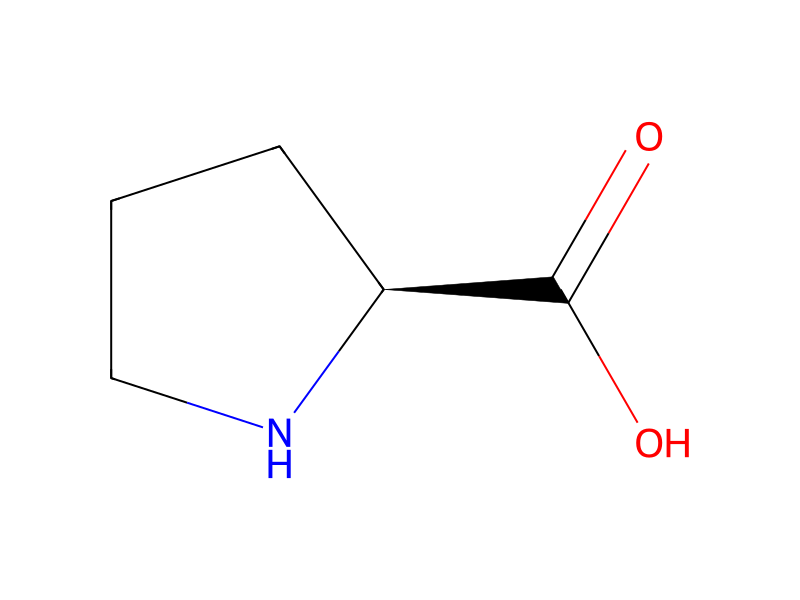
[CH3:1][O:2][C:3]([C:5]1[CH:6]=[C:7]2[C:12](=[CH:13][CH:14]=1)[NH:11][CH:10]([C:15]1[CH:20]=[CH:19][CH:18]=[C:17](Br)[CH:16]=1)[CH2:9][C:8]2([CH3:23])[CH3:22])=[O:4].[NH:24]1[CH2:31][CH2:30]C[C@H:25]1[C:26](O)=[O:27].N1CCOCC1>CS(C)=O.O.[Cu]I>[CH3:1][O:2][C:3]([C:5]1[CH:6]=[C:7]2[C:12](=[CH:13][CH:14]=1)[NH:11][CH:10]([C:15]1[CH:20]=[CH:19][CH:18]=[C:17]([N:24]3[CH2:25][CH2:26][O:27][CH2:30][CH2:31]3)[CH:16]=1)[CH2:9][C:8]2([CH3:23])[CH3:22])=[O:4]Participants
Reactant 3


Product 1

Reagents, catalysts & solvents 3



Conditions
- Temperature
- 120 °C
Procedure
The mixture of 4,4-dimethyl-2-(3-bromo-phenyl)-1,2,3,4-tetrahydro-quinoline-6-carboxylic acid methyl ester as prepared according to Example 1 (374 mg, 1 mmol), CuI (60 mg, 0.3 mmol), L-proline (70 mg, 0.6 mmol) and morpholine (440 mg, 5 mmol) in DMSO (5 mL) was stirred at 120° C. for 16 hours under a nitrogen atmosphere. The reaction mixture was diluted with water (20 mL), extracted with ethyl acetate (20 mL×3) and washed with brine (100 mL) and then dried over anhydrous Na2SO4. The solvent was removed in vacuo and the residue was purified by ISCO combi-flash chromatography (gradient elution, 30-60% ethyl acetate in petroleum ether) to afford 4,4-dimethyl-2-(3-morpholin-4-yl-phenyl)-1,2,3,4-tetrahydro-quinoline-6-carboxylic acid methyl ester (200 mg, 52.6%) as a white solid. MS (ESI+) [(M+H)+] 381.1.
Workup
- customas prepared
- extractionextracted with ethyl acetate (20 mL×3)
- washwashed with brine (100 mL)
- dry with materialdried over anhydrous Na2SO4
- customThe solvent was removed in vacuo
- customthe residue was purified by ISCO combi-flash chromatography (gradient elution, 30-60% ethyl acetate in petroleum ether)
Sources & evidence
- ORD record
- ord-1f9b8125dcf547ceabfacb1eb6c80b54
- Source dataset
- uspto-grants-2013_11
- Patent number
- US08592594B2
Reaction notes
Loading…