Lithium Bromide → 3-(3-hydroxyphenyl)hexahydro-2H-azepin-2-one
Reaction equation

[O:1]=[C:2]1[CH2:7][CH2:6][CH2:5][C:4]([CH:8]2[CH2:14][CH2:13][CH2:12][CH2:11][NH:10][C:9]2=[O:15])=[CH:3]1.[Br-].[Li+]>C(#N)C>[OH:1][C:2]1[CH:3]=[C:4]([CH:8]2[CH2:14][CH2:13][CH2:12][CH2:11][NH:10][C:9]2=[O:15])[CH:5]=[CH:6][CH:7]=1Participants
4
Reactant 2
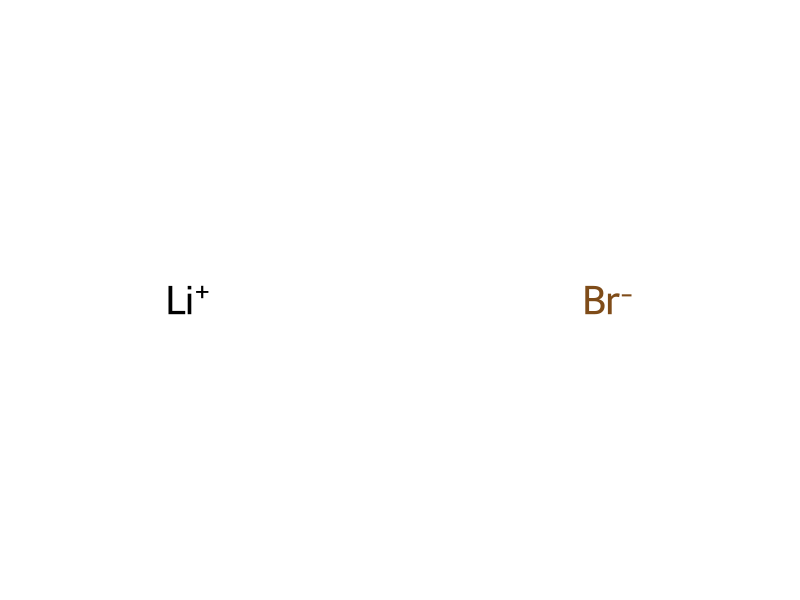

Product 1

Reagents, catalysts & solvents 1

Procedure
A mixture of hexahydro-3-(3-oxocyclohexen-1-yl)-2H-azepin-2-one (20.73 g), cupric bromide (44.9 g) and lithium bromide (8.8 g) was refluxed in acetonitrile (1000 ml) for 1 hour. Evaporation of the solvent left a black gum which was triturated with an excess of 2 N sodium hydroxide solution. The resulting orange suspension was filtered through Kieselguhr, and the filtrate acidified (conc.HCl). The white suspension was extracted several times with chloroform, and the residue left on evaporation of the organic layers was crystallised from ethyl acetate to give 3-(3-hydroxyphenyl)hexahydro-2H-azepin-2-one (11.8 g) m.p. 175°-178° C.
Workup
- customEvaporation of the solvent
- waitleft a black gum which
- customwas triturated with an excess of 2 N sodium hydroxide solution
- filtrationThe resulting orange suspension was filtered through Kieselguhr
- extractionThe white suspension was extracted several times with chloroform
- waitthe residue left on evaporation of the organic layers
- customwas crystallised from ethyl acetate
Sources & evidence
- ORD record
- ord-5e65a06d1b25460786fea5b487a5eaae
- Source dataset
- uspto-grants-1980_04
- Patent number
- US04197241
Reaction notes
Loading…