5-Aminovaleric acid → HCID 19808302, compound
Reaction equation

[NH2:1][C@H:2]([C:11]([N:13](C(=O)CCCCN)[C@H:14]([C:22]([NH:24][C@H:25]([C:30]([NH2:32])=[O:31])[CH2:26][CH2:27][S:28][CH3:29])=[O:23])[CH2:15][C:16]1[CH:21]=[CH:20][CH:19]=[CH:18][CH:17]=1)=[O:12])CC1C=CC(O)=CC=1.[C:40]([CH:47]([CH2:51][CH2:52][CH2:53][NH2:54])[C:48]([OH:50])=[O:49])([O:42][C:43]([CH3:46])([CH3:45])[CH3:44])=[O:41].C([NH:62][C@H:63]([C:72](O)=O)[CH2:64][C:65]1[CH:70]=[CH:69][C:68]([OH:71])=[CH:67][CH:66]=1)(OC(C)(C)C)=O.C(N=[N+]=[N-])(OC(C)(C)C)=O.NCC[CH2:88][CH2:89][C:90](O)=[O:91].CN(C)C(=N)N(C)C.C(OC(NC(CC1C=CC(O)=CC=1)CCCC(O)=O)=O)(C)(C)C>CN(C=O)C>[C:40]([CH:47]([CH2:51][CH2:52][CH2:53][NH2:54])[C:48]([OH:50])=[O:49])([O:42][C:43]([CH3:45])([CH3:46])[CH3:44])=[O:41].[NH2:62][CH:63]([CH2:64][C:65]1[CH:66]=[CH:67][C:68]([OH:71])=[CH:69][CH:70]=1)[CH2:72][CH2:88][CH2:89][C:90]([NH:1][CH2:2][C:11]([NH:13][C@H:14]([C:22]([NH:24][C@H:25]([C:30]([NH2:32])=[O:31])[CH2:26][CH2:27][S:28][CH3:29])=[O:23])[CH2:15][C:16]1[CH:17]=[CH:18][CH:19]=[CH:20][CH:21]=1)=[O:12])=[O:91]Participants
Reactant 7




Product 2

Reagents, catalysts & solvents 1

Procedure
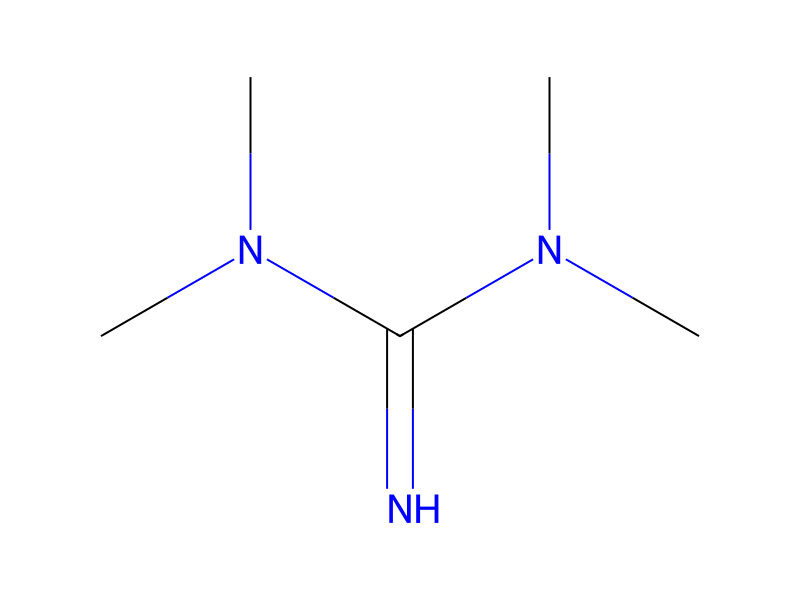
The first novel analogue we synthesised, described fully below, was tyrosyl-5-aminopentanoyl-phenylalanylmethionine amide H212. BOC-5-aminopentanoic acid was coupled in the third cycle of the procedure, and the BOC-tyrosine in the fourth (last) cycle. The BOC-5-aminopentanoic acid (m.p. 47.5-48.5° from diisopropyl ether--40°- 60° petroleum ether) was prepared in 70% yield by the reaction of BOC-azide and 5-aminopentanoic acid in DMF in the presence of tetramethylguanidine. After ammonolysis of the completed peptide resin, the peptide amide was chromatographed and deprotected. The desired peptide H212 was obtained in 80% overall yield. In this analogue the peptide bond --CO--NH-- between 2Gly and 3Gly can be regarded as being replaced by --CH2 --CH2 --. In the second analogue prepared 5-t-butoxycarbonylamino-6-(4-hydroxyphenyl)-hexanoic acid was coupled in place of BOC--2Gly--OH in the solid phase procedure, and the addition of BOC--1Tyr--OH omitted. The completed analogue 5-amino-6-(4-hydroxyphenyl)-hexanoyl-glycyl-phenylalanyl-methionine amide H211 was obtained in 40% overall yield (the lower yield than obtained for analogue H212 is a reflection of the low incorporation obtained in the final coupling).
Workup
- customThe first novel analogue we synthesised
- customAfter ammonolysis of the completed peptide resin, the peptide amide was chromatographed
- customwas obtained in 80% overall yield
Sources & evidence
- ORD record
- ord-3049075850e74111b22f00436cf09927
- Source dataset
- uspto-grants-1980_04
- Patent number
- US04198398
Reaction notes
Loading…