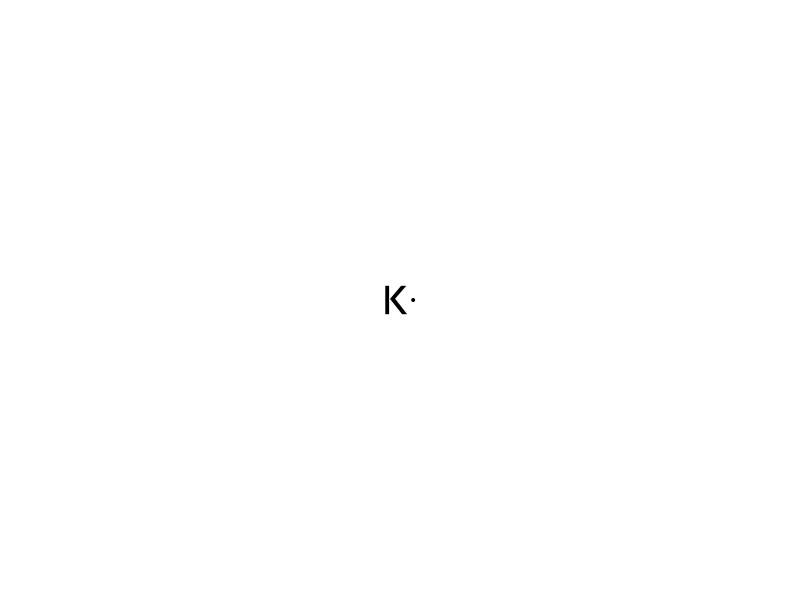
Potassium → diethyl 3-(N-ethoxycarbonyl-N-ethoxycarbonyloxyamino)propylphosphonate
Reaction equation

Cl[CH2:2][CH2:3][CH2:4][P:5](=[O:12])([O:9][CH2:10][CH3:11])[O:6][CH2:7][CH3:8].[K].[CH2:14]([O:16][C:17]([O:19][NH:20][C:21](=[O:25])[O:22][CH2:23][CH3:24])=[O:18])[CH3:15]>CN(C)C=O>[CH2:23]([O:22][C:21]([N:20]([CH2:2][CH2:3][CH2:4][P:5](=[O:12])([O:9][CH2:10][CH3:11])[O:6][CH2:7][CH3:8])[O:19][C:17]([O:16][CH2:14][CH3:15])=[O:18])=[O:25])[CH3:24]Participants



Procedure
To a solution of diethyl 3-chloropropylphosphonate (430.6 g) in dry N,N-dimethyformamide (2.25 l) was added potassium salt of ethyl N-ethoxycarbonyloxycarbamate (429.2 g). This mixture was stirred at 64°-66° C. for three hours. After the resulting potassium chloride was removed by filtration, the filtrate was concentrated under reduced pressure. The residue was dissolved in ethyl acetate (2.0 l) and washed with water (4.0 l). The aqueous layer was extracted twice with ethyl acetate (1.2 and 0.8 l). The combined ethyl acetate layer was washed with saturated aqueous sodium chloride solution (1.5 l), dried over magnesium sulfate and concentrated under reduced pressure to give oily diethyl 3-(N-ethoxycarbonyl-N-ethoxycarbonyloxyamino)propylphosphonate (643.7 g).
Workup
- customAfter the resulting potassium chloride was removed by filtration
- concentrationthe filtrate was concentrated under reduced pressure
- dissolutionThe residue was dissolved in ethyl acetate (2.0 l)
- washwashed with water (4.0 l)
- extractionThe aqueous layer was extracted twice with ethyl acetate (1.2 and 0.8 l)
- washThe combined ethyl acetate layer was washed with saturated aqueous sodium chloride solution (1.5 l)
- dry with materialdried over magnesium sulfate
- concentrationconcentrated under reduced pressure
Sources & evidence
- ORD record
- ord-eceaead44d384a72bfa3c08dc4acdc4b
- Source dataset
- uspto-grants-1980_01
- Patent number
- US04182758
Reaction notes
Loading…