Hydrochloric Acid → 4-Nitro-3-(trifluoromethyl)benzenesulfonyl chloride
Reaction equation

[N+]([C:4]1[CH:10]=[CH:9][C:7](N)=[C:6]([C:11]([F:14])([F:13])[F:12])[CH:5]=1)([O-])=O.[N:15]([O-:17])=[O:16].[Na+].[S:19](=[O:21])=[O:20].[ClH:22]>O.C(O)(=O)C>[N+:15]([C:7]1[CH:9]=[CH:10][C:4]([S:19]([Cl:22])(=[O:21])=[O:20])=[CH:5][C:6]=1[C:11]([F:14])([F:13])[F:12])([O-:17])=[O:16]Participants
7
Reactant 4

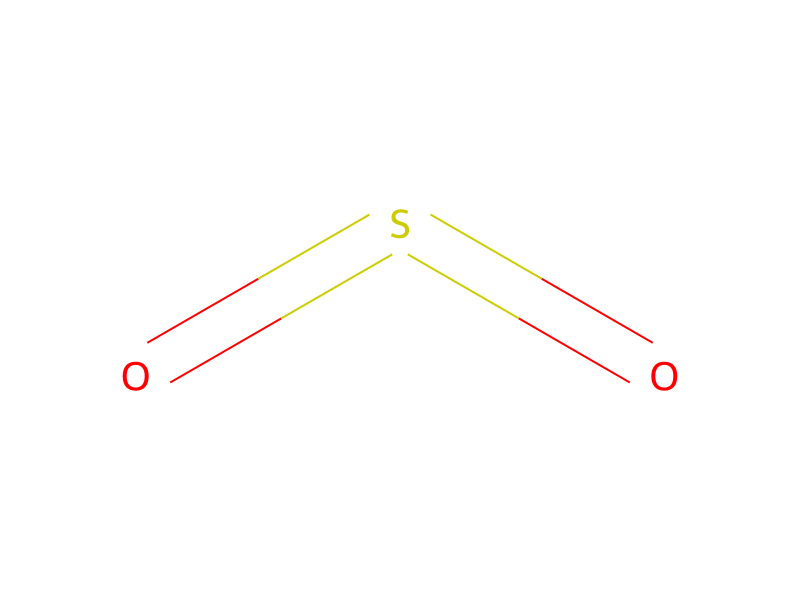


Product 1

Reagents, catalysts & solvents 2


Procedure
A mixture containing 57.5 g (0.28 mole) of 4-nitro-2-(trifluoromethyl)aniline in 200 ml of concentrated hydrochloric acid was heated to 90° for 15 minutes and left stirring at ambient temperature for 18 hours. The resulting mixture was chilled to 4° and diazotized with 21.4 g (0.31 mole) of sodium nitrite in 50 ml of water. After one hour, the diazonium salt solution was added dropwise over 20 minutes and with stirring to a cold (5°-10°) solution containing 13 g of cupric chloride and 64 g of sulfur dioxide in 250 ml of glacial acetic acid. After two hours, the mixture was filtered. The filter cake was washed well with water and dried to give 68 g (84%) of product as a light tan solid; m.p. 77°-79° C.
Workup
- temperaturewas heated to 90° for 15 minutes
- waitleft
- temperatureThe resulting mixture was chilled to 4°
- waitAfter one hour
- stirringwith stirring to a cold (5°-10°) solution
- waitAfter two hours
- filtrationthe mixture was filtered
- washThe filter cake was washed well with water
- customdried
Sources & evidence
- ORD record
- ord-16c6bae9e5234c4faec909f96a462b7c
- Source dataset
- uspto-grants-1980_01
- Patent number
- US04184867
Reaction notes
Loading…