Ethyl bromoacetate → HCID 28829501, compound
Reaction equation

[OH:1][C:2]1[CH:3]=[C:4]([NH:8][C:9](=[O:11])[CH3:10])[CH:5]=[CH:6][CH:7]=1.C([O-])([O-])=O.[K+].[K+].Br[CH2:19][C:20]([O:22][CH2:23][CH3:24])=[O:21]>CC(C)=O>[CH2:23]([O:22][C:20](=[O:21])[CH2:19][O:1][C:2]1[CH:7]=[CH:6][CH:5]=[C:4]([NH:8][C:9](=[O:11])[CH3:10])[CH:3]=1)[CH3:24]Participants
5
Reactant 3


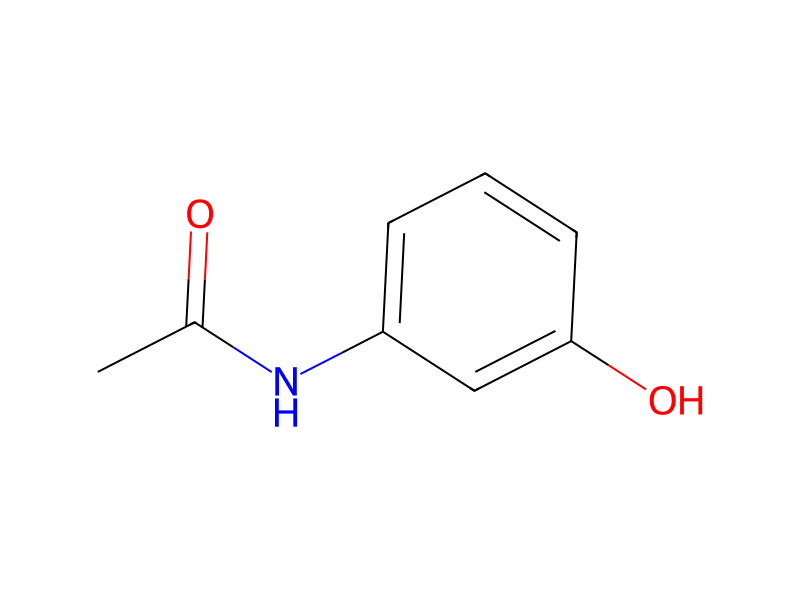
Product 1

Reagents, catalysts & solvents 1

Conditions
- Temperature
- 100 °C
Procedure
To a solution of N-(3-hydroxy-phenyl)-acetamide (0.5 g, 3.3 mmol) in acetone (5 ml) was added K2CO3 (0.46 g, 3.3 mmol), ethyl bromoacetate (0.67 g, 4.0 mmol) and 10 4A molecular sieves. The reaction mixture was then heated in the microwave for 1 h at 100° C. (150 W, 200 psi). The reaction mixture was filtered and the acetone layer evaporated in vacuo. This residue was dissolved in EtOAc (10 ml) and washed with 2M KOH (5 ml×2). The organic layer was dried (Na2SO4), filtered and the solvent removed in vacuo to give the title compound as a colourless oil which solidified upon standing.
Workup
- filtrationThe reaction mixture was filtered
- customthe acetone layer evaporated in vacuo
- dissolutionThis residue was dissolved in EtOAc (10 ml)
- washwashed with 2M KOH (5 ml×2)
- dry with materialThe organic layer was dried (Na2SO4)
- filtrationfiltered
- customthe solvent removed in vacuo
Sources & evidence
- ORD record
- ord-c29fdb757001476da51d53abe1c85117
- Source dataset
- uspto-grants-2008_02
- Patent number
- US07326732B2
Reaction notes
Loading…