Dichloromethane → HCID 9924030, compound
Reaction equation

[NH2:1][C:2]1[N:7]2[C:8]3[N:23]=[CH:22][CH:21]=[CH:20][C:9]=3[C:10]([C:11]3[CH:16]=[CH:15][N:14]=[C:13]([S:17]([CH3:19])=[O:18])[N:12]=3)=[C:6]2[CH:5]=[CH:4][N:3]=1.C(Cl)Cl.[O-:27]S([O-])(=S)=O.[Na+].[Na+].C([O-])([O-])=O.[Na+].[Na+]>>[NH2:1][C:2]1[N:7]2[C:8]3[N:23]=[CH:22][CH:21]=[CH:20][C:9]=3[C:10]([C:11]3[CH:16]=[CH:15][N:14]=[C:13]([S:17]([CH3:19])(=[O:27])=[O:18])[N:12]=3)=[C:6]2[CH:5]=[CH:4][N:3]=1Participants
5


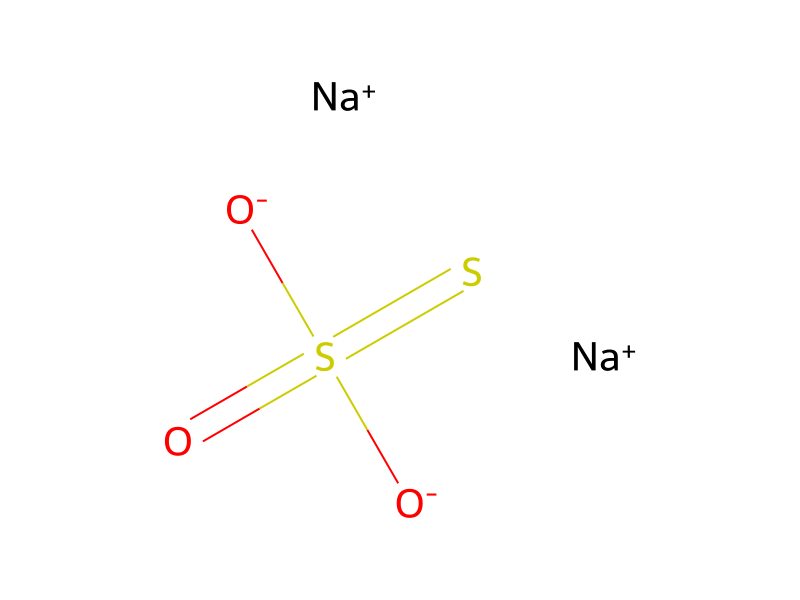


Procedure
To a solution of 9-Amino-5-(2-methanesulfinylpyrimidin-4-yl)-pyrido[3′,2′:4,5]-pyrrolo[1,2-c]pyrimidine (50 mg, 0.16 mmol) in CH2Cl2 (15 ml) mCPBA (88 mg, 0.36 mmol) was added at room temperature. The mixture was stirred for 2 h. A saturated aq. Na2S2O3 solution was added (1 ml) and was basified with saturated aq. Na2CO3. The organic layer was separated and the aqueous layer extracted with CH2Cl2. The organic solutions were evaporated together and 9-Amino-5-(2-methanesulfonylpyrimidin-4-yl)pyrido[3′,2′:4,5]-pyrrolo[1,2-c]pyrimidine (50 mg, 91%) as a light orange solid was obtained.
Workup
- customThe organic layer was separated
- extractionthe aqueous layer extracted with CH2Cl2
- customThe organic solutions were evaporated together
Sources & evidence
- ORD record
- ord-543e941264b44959a79c3cd8297bfa77
- Source dataset
- uspto-grants-2008_02
- Patent number
- US07329666B2
Reaction notes
Loading…